While most Republican presidents have campaigned on some version of energy independence or an “all-of-the-above” energy approach, President Donald Trump goes further—no longer just independence, but dominance is the goal.

While most Republican presidents have campaigned on some version of energy independence or an “all-of-the-above” energy approach, President Donald Trump goes further—no longer just independence, but dominance is the goal.
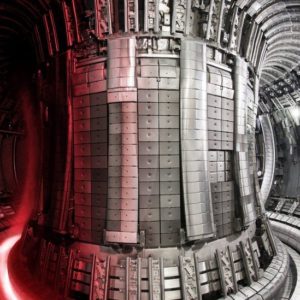
Nobody is saying it, but the advent of artificial intelligence and machine learning may be springboarding the increased intensity of the competition for nuclear fusion – which many are now saying is far less than “30 years away.” The burning question among the few who are fully aware of the stakes in this race is...

However, real life doesn’t always play out like a Schoolhouse Rock civics lesson.
Consider NEPA, the National Environmental Policy Act.
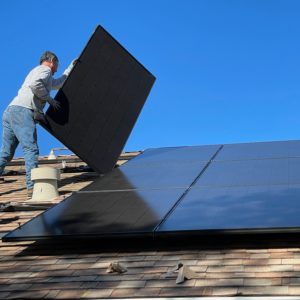
A big barrier to widespread solar power adoption across the rental market is the misaligned incentives in place. Because tenants are typically responsible for their own utility bills, there is no financial incentive for landlords to install this renewable energy source on their properties.

But these landscapes and ecosystems cannot thrive without intentional conservation and responsible stewardship.
That’s why it was fitting that the President signed the “Make America Beautiful Again” executive order one day before Independence Day, an initiative aimed at conserving and restoring America’s natural environment for future generations.

The Department of Defense (DOD) needs a fast lane to the deployment of small modular reactors for powering stations, and the 2026 National Defense Authorization Act (NDAA) offers a road forward.

Through the newly passed One Big Beautiful Bill Act (OBBBA), Congress has allocated $1 billion to the Department of Energy (DOE) for loans that focus on the president’s energy dominance agenda. This presents an opportunity for a necessary policy course correction, as the nation’s energy needs are growing, and even the energy we can produce won’t always be low-cost.

Electronics waste, or e-waste, is a pressing global problem that poses serious environmental and human health risks. Now, one startup is pioneering a circular manufacturing approach to address these risks and manage e-waste more sustainably.

Energy developers, foresters, and farmers alike are all too familiar with the National Environmental Policy Act (NEPA). At the USDA, NEPA has stifled progress through lengthy environmental impact statements and redundant environmental assessments for projects ranging from farmland conservation to forest management and livestock grazing.

If we want to lead the world in reducing emissions while securing economic growth and energy security, we must replace the stick with the carrot. Overregulation, top-down mandates, and punitive taxes may win headlines, but they rarely produce scalable, lasting results.