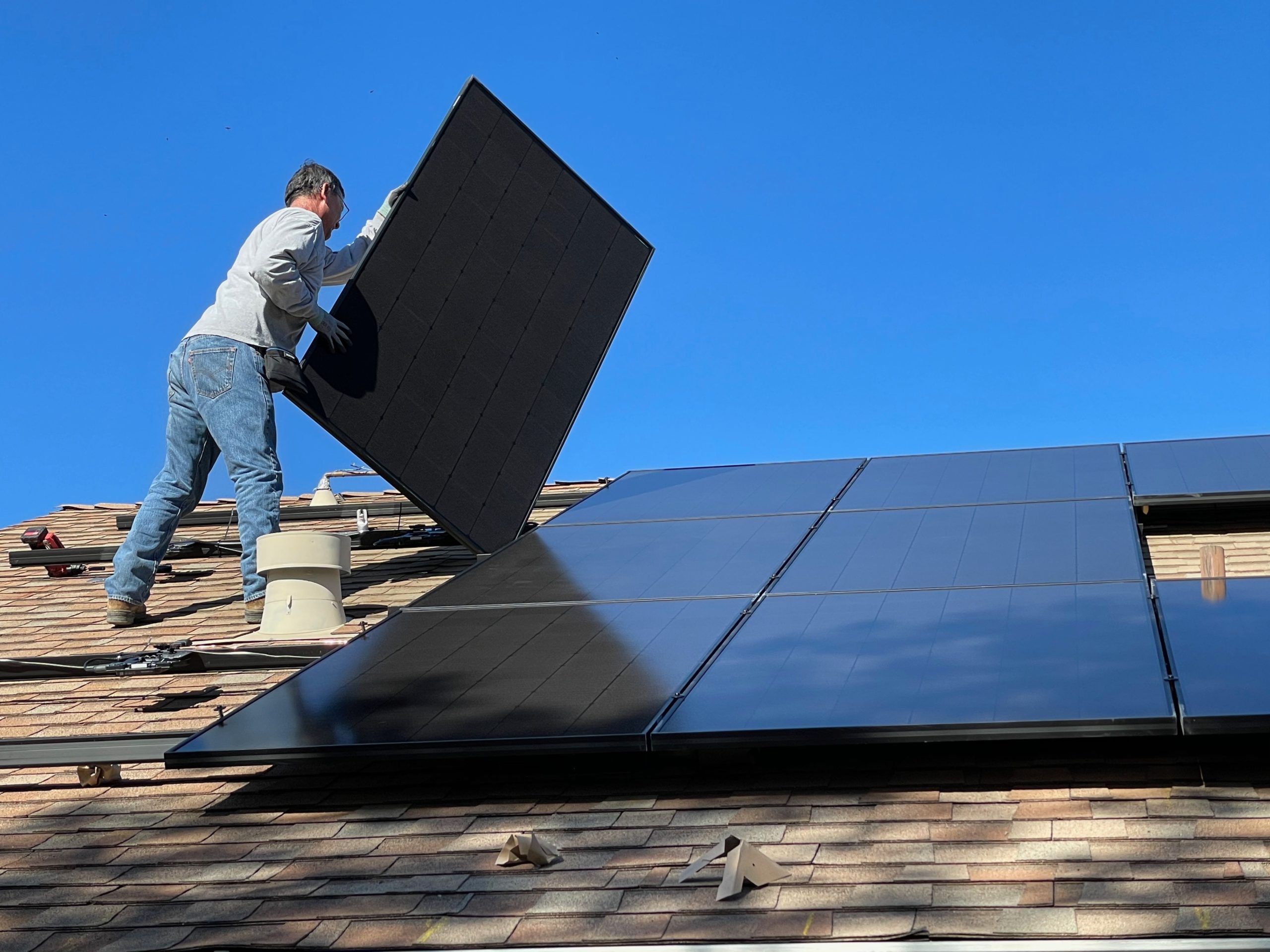
Just a tiny fraction of rental households run on solar power. According to real-estate based energy efficiency platform Fram Energy, the share of rental units with solar power in the U.S. sits at a meager 0.1 percent.
A big barrier to widespread solar power adoption across the rental market is the misaligned incentives in place. Because tenants are typically responsible for their own utility bills, there is no financial incentive for landlords to install this renewable energy source on their properties. Now, New York City-based Fram Energy is reshaping the split-incentive structure so that both asset owners and tenants benefit from the cost savings generated by solar.
Residential solar generates a number of benefits for tenants and landlords alike.
For one, homes equipped with solar energy incur a higher property value. That’s according to a 2021 finding from Zillow, which found that solar power-furnished homes sell for 4.1 percent more than comparable properties. They also tend to command a higher premium, with average monthly rents as much as 60 percent higher, according to real estate investment firm Arbor Realty Trust.
Apart from being a sustainable choice of energy, solar translates to lower electricity bills for tenants.
In March 2024, a multifamily rental in Oakland, CA, partnered with Fram Energy and saw a return on investment of 23.2 percent, with the system recouping its initial costs after 4.7 years. Additionally, due to federal and local solar tax credits, the photovoltaics were free to install. However, long-term success will depend on ensuring the initiative remains financially viable without relying on tax credits, driven by market demand.
The onboarding process is relatively simple. Fram Energy works with landlords to find the right solar provider, who installs the solar system either on-site or nearby. Tenants are then introduced to the company’s software, which handles direct billing for their individual energy usage. Property owners receive their monthly solar revenue directly into their bank accounts.
“Our software splits the savings from solar between landlords and tenants, creating a win-win situation and unlocking a new market for the solar industry,” says CEO of Fram Energy Charlotte Meerstadt.
U.S. solar capacity is projected to triple by 2035, according to a March 2025 Solar Market Insight report. However, installations in owner-occupied units continue to outnumber rentals by a significant margin. As the value of the solar market surges, the private rented sector would do well to tap into this growth.
The views and opinions expressed are those of the author’s and do not necessarily reflect the official policy or position of C3.