"However, Rainbow is now working with K-Tech, a Lakeland, Fla.-based chemical technology firm, on a novel approach to processing the rare earths further into more valuable rare-earth oxides. It is testing out a faster, more environmentally friendly way, known as continuous-ion chromatography, which has been used in photography. Bennett hopes to start producing rare-earth oxides with K-Tech on a trial basis by the end of March."
How global trade could fragment after the EU’s tax on ‘dirty’ imports
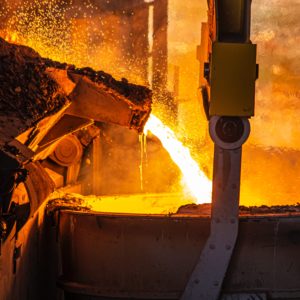
"Adolfo Aiello, deputy director-general at Eurofer, says European steelmakers could face competition on multiple fronts: not just from 'cheaper dirty steel' but also 'greener steel from third countries.' The risk, he adds, is that the EU becomes 'a demand centre for green steel' with dirty steel being diverted elsewhere. The result, he says, 'would be a net negative impact on the climate.'"
Abundant Energy From Free Markets
Human liberty, bottom-up social organization, and abundant, affordable energy enabled the modern world. The same forces can deliver a brighter future for all.
Oil & Gas Executives Believe that Common Sense Energy Policies Must Include a Greater Role for Nuclear Energy
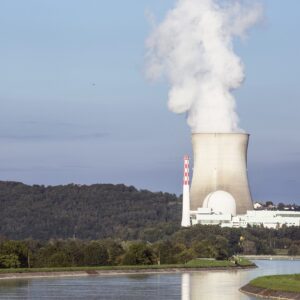
"Although oil and gas executives do not directly benefit from supporting or endorsing nuclear energy, it is evident that that most oil and gas executives support the expanded role of nuclear energy because of nuclear energy’s obvious benefits and practicalities. Having oil and gas executives openly support nuclear energy sends a powerful message to political leaders, policy makers and the general public about the need for improved energy literacy and better policy solutions."
Rethinking a Global Ban on Coal
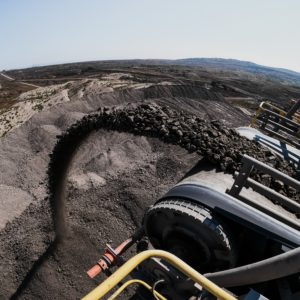
While industrialized nations can help emerging economies leapfrog the use of coal by exporting cleaner technologies, market forces should ultimately decide what energy sources should ultimately determine what power sources a country does or does not use.
Free Markets Can Drive Prosperity Up, Emissions Down
Policies that encourage people to innovate, build efficiently, and invest and trade freely will elevate levels of human prosperity and drive technological advancements to solve our greatest environmental challenges.
Food producers turn to greener fertilisers to reduce carbon footprints
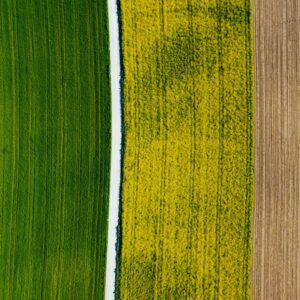
"Tesco, the UK’s largest food retailer, is also working with low-carbon fertiliser manufacturers, including several start-ups such as CCm. The retailer recently said that after initial field trials produced vegetables including lettuces, carrots and potatoes with a 50 per cent reduction in emissions levels, from 2024 it would increase the trial area tenfold to 13,000 hectares."
A Shale Oil CEO’s Second Act: Going Green
"In the past, oil-and-gas entrepreneurs who closed one drilling venture often started another. Today, money has gotten tight for many new fossil-fuel projects in the U.S. as the productivity of wells wanes and climate-conscious investors shy away, industry executives say. Although many big fossil-fuel companies are spending billions on acquisitions to increase production, the amount of money private investors are committing to funds that invest in oil-and gas-related assets has roughly halved so far this year versus a recent peak of $102 billion in 2016, according to investment data tracker Preqin."
Rising peak demand, 83 GW of planned retirements create blackout risks for most of US: NERC
"A spokesperson for MISO said the grid operator 'concurs with NERC’s key conclusions and recommendations,' and is taking steps to address potential resource shortfalls. A new seasonal resource adequacy construct, changes to resource accreditation, development of a long-range transmission plan and adoption of a reliability-based demand curve will help, they said."
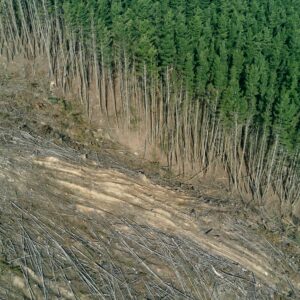
Poverty is killing the Amazon rainforest. Treating soil and farmers better can help save what’s left
"The only way to meet both goals is to find more paths for people to make a living in the Amazon without further destroying the rainforest, say experts who have long worked in the region. That means using already deforested land more efficiently — to reduce pressure to clear more forest — as well as supporting businesses that sustainably harvest native products such as açaí and cacao."