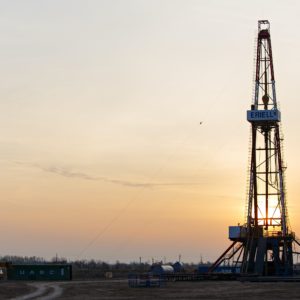
"Together, Canada and the U.S. have dominated global oil and growth in the past decade, creating an energy secure North America while driving billions into innovation and technologies designed to lower emissions. Policy actions that limit production and export capacity could reverse this progress, leaving us and our allies more vulnerable. We must instead leverage our deeply interconnected energy systems and rock-solid commercial relationships in support of a North American Energy Security framework that will deliver benefits for decades to come. Our organizations and collective membership stand ready to be a fully committed partner in this effort."
White House raises tariffs on Chinese EVs, solar panels, batteries
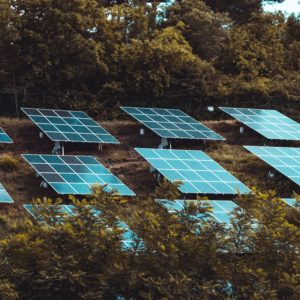
"The White House enacted steep increases in tariffs Friday that could quadruple the price of electric vehicles from China and double fees on imported solar cells, upping the trade war between the U.S. and the Asian manufacturing giant."
How oil-rich Arkansas became a hotbed of lithium mining
"Exxon Mobil, for example, acquired 120,000 acres in the Smackover Formation in 2023 and aims to start producing battery-grade lithium by 2027. The company said it will produce enough lithium to supply the manufacturing more than 1 million EVs per year by 2030. Standard Lithium, which has operated in Arkansas since 2020, is also expanding its Direct Lithium Extraction (DLE) facility in El Dorado, thanks to a $100 million investment from Koch Strategic Platforms. DLE is touted as a more eco-friendly extraction method, using advanced filters to reduce energy and water usage."
Fossil Fuel Lawsuits Are A Tax On Consumers
"Suing fossil fuel producers for the costs of climate change is economically damaging, environmentally suspect, and based on dubious claims. It will also harm families, particularly working families, at a time when they are already struggling with the high cost of living. Ultimately, there are many serious adverse consequences from state and local litigation against traditional energy companies, but no economic upsides should the plaintiffs prevail."
Clearing the Air on the Environmental Benefits of Rail
While trucks are indeed becoming cleaner, data clearly shows that rail has many economic and environmental advantages over trucking.
More cleantech companies fail as fundraising challenges emerge
"Part of the challenge for cleantech companies is the number of rising sectors that are now competing for funding. '[Cleantech] companies have struggled to grow revenues at margins that would chart a path to profitability,' said Bilal Zuberi, a general partner at Lux Capital. 'Venture capitalists have seen a larger-than-expected portion of their [cash] reserves called into other sectors like AI, life sciences and defence tech.'"
An Oil Giant Is Spending $100 Million to Preserve U.S. Forests
"TotalEnergies said it would use credits to offset Scope 1 emissions, which come directly from its operations, and Scope 2 emissions from its energy purchases. Those are the types of emissions that the Securities and Exchange Commission said it will require companies to disclose starting in fiscal year 2026."
This water treatment startup is already a unicorn, and has $225 million in VC funding
"Gradiant’s technology mimics how nature creates rain. Wastewater is heated and pumped into a humidifier and mixed with ambient air. As the two interact, they are heated into vapor, leaving the contaminants behind. Using a proprietary technology, the vapor is transferred to a column with cool clean water. When the two mix, the air cools and drops fresh water, like rain falls from a cloud. The process, according to Gradiant, cuts traditional costs in half."
The End of Chevron Deference Could Be Good for Free Trade
"The Supreme Court’s decision thus comes at a critical moment. The justices have empowered Congress to prevent or roll back trade decisions that are too ambiguous or illegal. Trade expert Alan Wolff has argued that Mr. Trump may not have authority to impose 10% across-the-board tariffs. Arguably, the post-Chevron environment permits legal challenges to some existing trade restrictions—say, on steel and aluminum tariffs or on restrictions of electric vehicles and components from allies with market economies. Rules covering restrictions on exports and imports of high-technology equipment and software could also be challenged, according to a Morgan Lewis analysis. Affected parties in both private and public sectors could file complaints."
Price Controls are a Threat to People and the Planet
The better approach to control inflation is to reduce government spending and increase energy abundance.