"Hydrogen is made from a variety of sources, namely fossil fuels, and through the use of dirty power. Peregrine is among the ventures aiming to make hydrogen without carbon dioxide production."
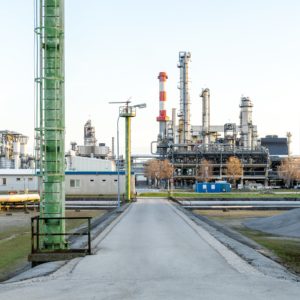
"Hydrogen is made from a variety of sources, namely fossil fuels, and through the use of dirty power. Peregrine is among the ventures aiming to make hydrogen without carbon dioxide production."

"While hydropower dams that exist today emit relatively few carbon emissions when operating, dam building in the 20th century disrupted ecosystems, flooded tribal lands and altered natural landscapes. Obtaining a new, long-term hydropower license, which lasts 30 to 50 years, from FERC is a once-in-a-generation opportunity to modify how projects operate."
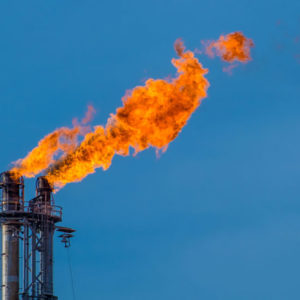
Jeff Kupfer writes in UtilityDive about the need to address methane emissions. “There is no doubt that methane emissions present a serious environmental threat. And given the significant role of natural gas in electricity generation for decades to come, it is reasonable for EPA to promulgate new regulations. With a bit more tailoring, there can...

"Niue will buy 1,700 sponsorship units, representing one for each of its citizens. Other launch donors include philanthropist Lyna Lam and her husband Chris Larsen, who co-founded blockchain company Ripple, and U.S.-based nonprofit Conservation International, which helped set up some technical aspects of the scheme."

Kirsten Korosec of TechCrunch reports that Redwood Materials has bought a European battery recycler. “Redwood made its first move into Europe last year as part of Straubel’s global ambitions to be one of the largest battery materials and recycling companies. It sees Redux as a pathway towards that expansion.” Read the full article here.
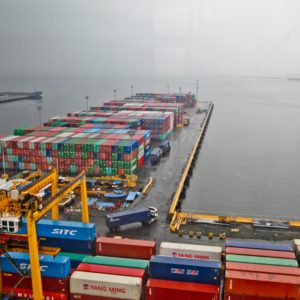
"A survey in May by the International Chamber of Shipping association said nuclear fuel was being viewed with more interest than in 2021, with some seeing nuclear-powered commercial ships being viable within the next decade."

"The new container ship, ordered in 2021, has two engines: one moved by traditional fuels and another run with green methanol — an alternative component, which uses biomass or captured carbon and hydrogen from renewable power. Practically speaking, the new vessel emits 100 tons of carbon dioxide fewer per day compared to diesel-based ships."

"Vaulted Deep’s approach involves collecting sludgy organic waste such as animal manure, inedible food and pulpy paper and injecting it deep into wells, which can be sequestered for thousands of years. That prevents it from decomposing and emitting the potent greenhouse gas methane, said Vaulted Deep CEO Julia Reichelstein. She touted other co-benefits, such as preventing chemicals associated with these waste streams from leaching into groundwater. The technology builds on patented geologic slurry injection methods used by the parent company."

"An X-energy spokesperson on Thursday told POWER that the company is currently focusing its mobile microreactor work 'around one practical, cost-effective microreactor that can be deployed for use in remote military locations as well as commercial or industrial use.' X-energy’s transportable microreactor 'is designed to generate in the range of 3 to 5 MW and is differentiated to be cost-competitive with remote diesel power. The microreactor is designed to use TRISO-based fuel,' he said."

"The production process begins with sifting waste from local towns and a nearby army base to remove metals and minerals. The material is then ground into a powder and converted into bioplastic in a reactor using UBQ technology that doesn’t require water. The resulting thermoplastic is then shaped into pellets that can be blended with other materials and has production costs that the company says are comparable to making plastic."