Electronics waste, or e-waste, is a pressing global problem that poses serious environmental and human health risks. Now, one startup is pioneering a circular manufacturing approach to address these risks and manage e-waste more sustainably.

Electronics waste, or e-waste, is a pressing global problem that poses serious environmental and human health risks. Now, one startup is pioneering a circular manufacturing approach to address these risks and manage e-waste more sustainably.

Energy developers, foresters, and farmers alike are all too familiar with the National Environmental Policy Act (NEPA). At the USDA, NEPA has stifled progress through lengthy environmental impact statements and redundant environmental assessments for projects ranging from farmland conservation to forest management and livestock grazing.

If we want to lead the world in reducing emissions while securing economic growth and energy security, we must replace the stick with the carrot. Overregulation, top-down mandates, and punitive taxes may win headlines, but they rarely produce scalable, lasting results.

When Cyclone Freddy swept through southern Africa in 2023, the physical destruction and loss of life weren’t the only things communities endured. For many, the hardship persisted long after the storm had passed, while communities waited for help to arrive.
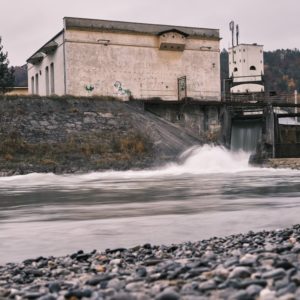
According to the U.S. Department of Energy, pumped storage hydropower makes up more than 90 percent of the nation’s utility-scale energy storage. Now, the Tennessee Valley Authority is considering expanding pumped storage hydropower capacity.

If you want evidence of artificial intelligence’s lifesaving potential, log out of ChatGPT and, instead, check out what’s happening in Virginia Tech’s Civil and Environmental Engineering program. Researchers there are building a model that uses deep learning to predict where flooding from hurricanes will occur.

Whatever you think the costs of wildfires are – to your community, your country, or the planet- it is very likely an underestimate.

Approximately 14.6 million travelers from other countries visit America’s national parks annually. Now, the U.S. Department of the Interior is proposing a surcharge so that these visitors pay a little extra for park entrance fees.

These obsolete laws still on the books would be comical if they weren't so constricting.

As more companies turn to clean energy in an effort to combat climate change, the e-fuels industry is experiencing massive growth. Leading the charge is Infinium, an electrofuels provider at the forefront of alternative energy solutions and clean, low carbon fuels.