The Department of Energy wants to hear from developers interested in building data centers and artificial intelligence infrastructure at 16 sites nationwide, one of them in Richland. DOE issued a “request for information” last week to assess industry interest and gather information on potential technology and economic considerations. It also wants information on locating new...
a16z backs Base Power in $200M round for home backup batteries
In less than a year, Base Power has grown from a stealthy startup to one of the largest battery fleets in Texas. Now the company has raised $200 million to fund a rapid expansion, including dozens more megawatt-hours of battery storage and plans for a domestic battery factory. The Series B round was led by...
Breakthrough material converts sunlight into heat, can lead to energy-efficient buildings
Scientists have made a major breakthrough in solar energy technology by creating a novel material capable of directly converting sunlight into heat with unprecedented efficiency. The development centers on thin films of a specific titanium oxide phase, Ti₄O₇, and could lead to advances in areas ranging from energy-efficient buildings to clean water and sustainable fuel...
Speeding Electric Transmission Deployment by Co-locating Along Highways
The nation’s electric grid has not kept pace with economic and societal advancement. As energy demand surges, expanding our transmission capacity has become an urgent priority.
AI Recycling Robot Boosts Waste Sorting Efficiency at UMass
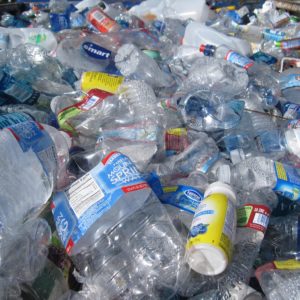
A new AI-powered recycling solution is streamlining waste operations and improving material recovery at the University of Massachusetts Amherst. Developed by alumni-founded startup rStream, the mobile system uses computer vision and artificial intelligence to automate sorting, helping institutions address common inefficiencies in traditional recycling programs. Automated Waste Sorting Using AI and Computer Vision The rStream trailer...
What Could a “Nuclear Revolution” Really Look Like?
Senator McCain called for the United States to build forty-five new nuclear reactors by 2030. The plan was ambitious, but as one of his top economic advisors commented at the time, “not so large as to be infeasible given permitting and construction times.”
With less than five years to go, only two reactors have been built since the late senator’s campaign pledge.
Trump orders strengthening of US grid as electricity demand surges
US President Donald Trump has issued an executive order to enhance the reliability and security of the country’s electric grid amid rising electricity demand. The surge in demand is driven by rapid technological advancements, which include the expansion of AI data centers and increased domestic manufacturing. The swift advancements, combined with ongoing supply difficulties, have...
UK shortlists 27 hydrogen projects for clean energy growth
The UK government has shortlisted 27 hydrogen-powered projects in its second Hydrogen Allocation Round (HAR2). The selected projects will boost low-carbon hydrogen production within the UK. The initiative is part of the government’s Plan for Change and aims to cut carbon emissions while creating thousands of jobs. The UK’s hydrogen sector has the potential to...
Nissan’s Alarm Innovation Could Save Human and Animal Lives
Collisions with wildlife are a massive problem for human welfare and the animals that roam our country’s wild spaces. And while solutions like wildlife crossings are undoubtedly effective at redirecting animals off roads, they come with very high price tags to build. Now, an automaker is trying a new tactic: developing an alarm that can startle animals off the road before a car drives through.
Can An Aging Grid System Work Harder?
Red tape has slowed down grid improvements for years, leaving us with a T&D network that needs to be modernized and expanded. Until we see widespread grid improvements, we must ask a necessary question: Can we get aging infrastructure to work harder?