“It is very clear that only a joint view of organic carbon and nitrogen management will provide the synergies needed to address both food security and climate change. These goals can only be delivered in an effective way by working from the ground up, starting with those who manage the land and providing the site-specific and dynamic information systems that allow a systems view of soil health management. In our opinion, only a joint platform to address the carbon-nitrogen nexus in soil health management will accomplish that.”

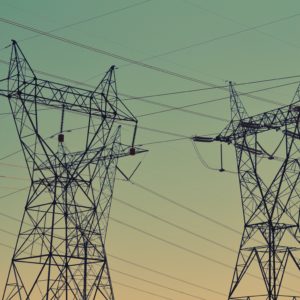
What the Coming Wave of Distributed Energy Resources Means for the US Grid
“Cumulative U.S. DER investments will eclipse $110.4 billion between 2020 and 2026. Solar, EV infrastructure, battery storage and grid-interactive water heaters sales growth will drive spending to a new peak in 2025.”
Microsoft, Alaska Airlines team up for alternative jet fuel
“Under the agreement, Microsoft will cover the costs of fuel produced from sustainable resources, like waste oils and agricultural residues, which will result in reduced carbon emissions.”
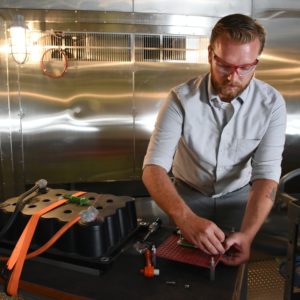
Designing batteries for easier recycling could avert a looming e-waste crisis
“Creating pathways for battery manufacturers to build sustainable production-to-recycling manufacturing processes that meet both consumer and environmental standards can reduce the likelihood of a battery waste crisis in the coming decade.”
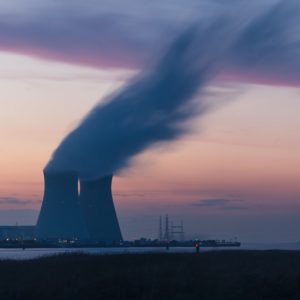
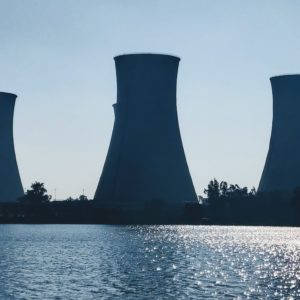
The World Needs Nuclear Power, And We Shouldn’t Be Afraid Of It
“For many years, we have let fear, rather than facts, control the narrative over nuclear power. While the conventional story around nuclear power focuses on the few disasters that have occurred, nuclear’s track record tells a different story: one of unparalleled safety, successful waste management, and abundant, affordable, green energy.”
The Facts About Climate Change and California Fires
“Alternative, market-based risk models are cropping up in parts of the country to better assess the risk and deploy fire- suppression resources where they’re needed most. When the risk is accurately assessed, it should incentivize more prescribed burns, timber harvesting, and installation of fire- resistant materials on homes and other buildings. But even then, it is challenging because most often reducing the fuel load is out of the hands of the home or business owner.”
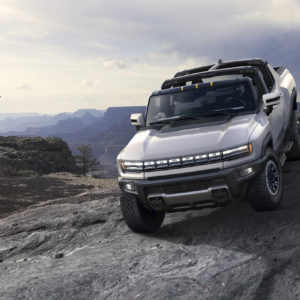
An electric Hummer? Battery-powered trucks head to showrooms
“Experts say that since buyers are willing to pay more for trucks, it's likely they'll also be willing to shell out the cost of electric batteries and motors, which now are more expensive than gas or diesel trucks. But the automakers are taking a risk, and it remains to be seen what the actual selling prices will be, says Eric Ibara, director of residual vehicle values for Cox Automotive.”
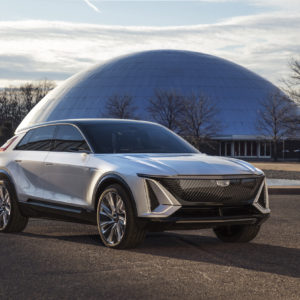
Tennessee factory to become GM’s 3rd electric vehicle plant
“The company will build the Cadillac Lyriq, a small electric SUV, at the Spring Hill factory. Gasoline-powered Cadillac SUVs will continue to be built at the plant, and it will also get additional unspecified electric vehicles, GM said in prepared statement Tuesday.”
A renewable solution to keep cool in a warming world
“Conventional air-conditioning (AC) is the most common technology used for cooling and represents a considerable share of energy demand in warmer regions. An alternative that is not frequently considered, is seawater air-conditioning (SWAC)—a renewable alternative for cooling that involves pumping seawater from ocean depths of around 700 to 1200 meters and temperatures of 3°C to 5°C to the coast, where it exchanges heat with a district cooling system, and returns the warmer water to the ocean.”
Increased Buzz Around Advanced Reactors Signals More Momentum for Carbon-Free Energy
“The momentum for new reactors is growing as the technology receives government support and is maturing because of the hard work of developers. I’m glad there is now more widespread recognition for the carbon-free applications new reactors bring to electricity generation and beyond. These new developments will lead to a diverse portfolio of advanced reactors that are positioned to meet needs: for new customers, new markets and the climate.”