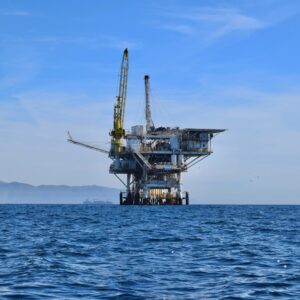
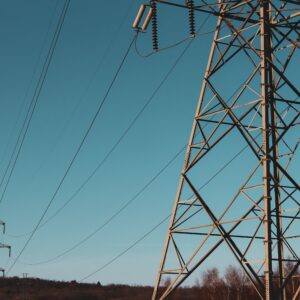
Rather than causing disparate groups to come together to recognize the importance of all forms of energy, oil prices have resulted in some pushing harder for oil and gas and others pressing harder for solar, wind and batteries. This is a false dichotomy. Both are needed.
More Current, Less Cost: Why Advanced Conductors are an Overlooked Grid Capacity Tool
To unlock affordable grid capacity, policymakers should require utilities to consider the best-available line technologies by default, while utilities themselves modernize planning to reinforce their affordability commitment to customers.
NRC Finishes TerraPower’s Construction Permit Ahead of Schedule
In a welcoming milestone, TerraPower received approval from the Nuclear Regulatory Commission (NRC) for a construction permit for its advanced nuclear power plant in Kemmerer, Wyoming. The review, completed ahead of schedule, provides a hopeful signal that the United States is finally turning the corner on one of the biggest barriers to clean energy innovation: an outdated, slow, and unpredictable licensing and permitting system.
We Know How to Reduce Wildfire Risk. Policy Is Standing in the Way
The need to reduce fire risk is apparent, and we know how to do so through active forest management. Yet policy continues to slow those efforts down and that urgently needs to change.
Federal Grid Reforms Pick the Right Route and the Wrong Builder
The Department of Energy’s recent National Transmission Needs Study identifies several of these cases, where regions’ electricity costs would decline substantially if they were connected by a high-capacity transmission line. Providing these benefits to consumers, however, requires confronting not just the incentives that discourage utilities from building interregional lines, but the state laws that let incumbent monopolies control who builds them.
Federal Critical Minerals Investments Need a Cost-Benefit Test
The risks posed by this concentration are worth taking seriously. The problem is that these tools may force taxpayers to take on unnecessary risk—leaving them stuck with the bill if the companies fail—without addressing the underlying problem.
How a failed project could help solve the world’s biggest energy need
The sci-fi-worthy machine soaring 120 feet tall in the hills outside Lynchburg had been all but left for dead — a $400 million experiment that collapsed as the energy economy shifted and the financial prospects for next-generation nuclear technology soured. The faux eight-story reactor in Lynchburg, built to mimic a nuclear plant but run on...
A Measured Response on Critical Minerals: Reflections from a Recent Roundtable
Before instituting sweeping policies that risk creating costs and distortions worse than the supply disruptions and Chinese dependence they aim to solve, Washington needs to weigh the benefits of intervention against its costs.
Sage Geosystems brings its first next-gen geothermal plant online
Sage Geosystems has hit a big milestone out on a rugged tract near San Antonio: The startup is producing power from its first next-generation geothermal plant. The system is just the third of its kind to come online in the U.S. as the sector races to commercialize the source of on-demand clean electricity. The novel...
Why a Tech-Neutral Energy Policy Is Important
Governments shouldn’t determine which forms of energy are “good” or “bad,” using subsidies and mandates to boost the good while imposing restrictions to hobble the bad. Instead, decisions about the fuel mix should be left to the market as much as possible.