The conversation at CERAWeek shifts each year. In 2026, the focus was on surging demand, disruptions to energy flows through the Strait of Hormuz, infrastructure bottlenecks, and a more pragmatic energy posture. The conference showed an industry and policymakers increasingly focused not on abstract narratives about the future of energy, but on the harder questions of security, buildout, reliability, affordability, and competitiveness.
Louisiana’s Coastal Crisis Won’t Be Solved in Court
Louisiana has lost over 2,000 square miles of coastal land since the 1930s, an area the size of Delaware. Wetlands continue to disappear at an alarming rate, threatening communities, infrastructure, and one of America’s most productive fisheries.
Can Florida Revolutionize the Nuclear Energy Sector?
A new bill in the Sunshine State’s legislature seeks to streamline the approval process for constructing nuclear reactors.
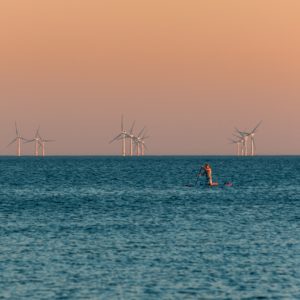
Trump administration will reimburse company for fossil fuel investment as it ditches wind
Read more in The Hill here
To Save the Sequoias, Bring Back Good Fire
At the current pace, it would take the Forest Service more than 50 years to treat the 19 most at-risk sequoia groves in the country, a timeline the species cannot afford. With faster treatment efforts, more groves will be safeguarded from out-of-control wildfires.
Time to Waive the Jones Act Goodbye Forever
President Trump has suspended the Jones Act for 60 days to help lower gas prices. This raises the question: if the Jones Act is pushing up prices at the pump, why do we still have it? The simple, direct answer is that there are no valid reasons to keep it, and Congress should repeal it. ...
New York needs more time to meet climate goals, Gov. Hochul says
Read more in Utility Dive here.
Trump Already Won Gold Stopping Offshore Wind
In its most recent foray against offshore wind, the administration announced it would appeal court rulings that allowed five offshore wind projects to proceed despite last December’s blanket construction halt on national security grounds. Yet the Administration’s ongoing actions risk derailing the possibility of reforming our broken permitting system—a downside far greater than allowing five fully permitted wind projects to go forward.