The International Energy Agency has good news: Oil and natural gas prices will probably be lower over the next five years.

The International Energy Agency has good news: Oil and natural gas prices will probably be lower over the next five years.

Ethan Howland of UtilityDive reports on a proposed transmission project across PJM, the nation’s largest Regional Transmission Organization. American Electric Power, Dominion Energy Virginia and FirstEnergy are proposing several multi-state transmission projects in the PJM Interconnection they designed through an ‘innovative joint planning agreement,’ the companies said Monday. ‘By leveraging the expertise and resources of...
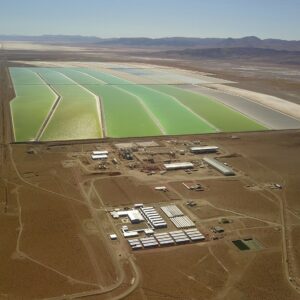
David Winning and Julie Steinberg of The Wall Street Journal report that Rio Tinto is expanding its interest in lithium. SYDNEY—Rio Tinto has agreed to a $6.7 billion takeover of Arcadium Lithium, propelling it into the ranks of the top producers of a key commodity used in batteries for electric vehicles. The Anglo-Australian mining giant on...
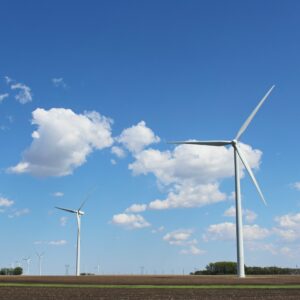
Paul Tice writes in The Hill about the folly of Europe’s climate strategy. Since the 2015 signing of the Paris climate agreement, the European Union has become the government standard-bearer for the climate change movement, plunging headlong into the legal and regulatory work required to achieve the United Nations’s global emissions targets. Europe aspires to...

Rahul Mewawalla writes in Power about the role that America’s heartland is playing in the digital revolution. The artificial intelligence (AI) revolution is transforming our world, but it comes with an insatiable surge in data centers that are powered by an ever-growing appetite for energy. As AI and high-performance computing (HPC) applications proliferate, the tech...

Andrew Freedman of Axios writes on Zillow and First Street’s partnership to include climate risk in home listings. Mindful of increasing risks from extreme weather events such as hurricanes, Zillow will combine climate risk scores, interactive maps and insurance information on its home listings, the company announced this morning. Why it matters: This step gives prospective buyers their...

Maria Gallucci of Canary Media reports on Meta’s investment in a clean concrete startup. The United States makes some 90 million metric tons of cement every year to bind together the nation’s concrete buildings, bridges, and other infrastructure. In the process, U.S. cement plants generate huge amounts of planet-warming emissions — equivalent to those from 16 million gas-powered cars. Decarbonizing cement...
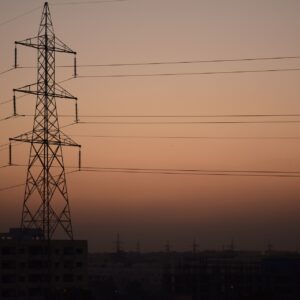
Robert Walton of UtilityDive reports on grid damage caused by Helene. Recovery efforts continue after Hurricane Helene knocked out power to about 6 million customers and devastated communities in the U.S. Southeast. In some areas served by rural cooperatives, utility leaders warn it could be weeks before service is restored. “The consumers of electric cooperatives...

Diversified supply chains that are subject to market forces are a win for people and the planet.

"Air Company makes its SAF using a proprietary system that involves capturing carbon dioxide directly from the atmosphere and combining the CO2 with hydrogen to create paraffins — colorless, oily liquids that it says can be dropped into conventional jet engines. Companies such as Twelve and LanzaTech are also vying to repurpose CO2 into sustainable jet fuels."