With respect to addressing America’s wildfire crisis, the CAA can ironically penalize states for conducting prescribed burns, which are among the most effective tools for preventing catastrophic wildfires and the harmful air pollution they produce.

With respect to addressing America’s wildfire crisis, the CAA can ironically penalize states for conducting prescribed burns, which are among the most effective tools for preventing catastrophic wildfires and the harmful air pollution they produce.

Today, U.S. Secretary of Agriculture Brooke L. Rollins announced the U.S. Department of Agriculture (USDA) has finalized a rule modernizing the National Environmental Policy Act (NEPA) regulations. This Final Rule adopts the changes introduced in the Interim Final Rule published on July 3, 2025, which consolidated seven agency-specific NEPA regulations into a single, department wide framework, reducing...

On April 7, Anthropic announced Project Glasswing, a coalition of 12 major technology companies marshaling a new frontier artificial intelligence (AI) model to find and fix critical software vulnerabilities before attackers can exploit them. While the announcement is framed around technology infrastructure broadly, the implications for the power sector are immediate and serious. Partner posts from Amazon...

After the Iran war ends and the Strait of Hormuz opens, gas prices will fall. But when the next crisis comes, we’ll be happy for every nuclear reactor we have, large and small. So let’s build.

A California-headquartered advanced nuclear energy company said it has received U.S. Dept. of Energy (DOE) approval of the Documented Safety Analysis for the company’s Mark-0 reactor. Antares, which is building compact nuclear microreactors, on April 7 said the DOE’s approval confirms the agency’s acceptance of the final design for the Mark-0, along with the safety...

Data centers have become a boxy, hulking flashpoint heading into the midterms — and the backlash is spreading fast across red and blue states. Why it matters: With no federal action, states are fielding constituent anger over power grids, water supplies and strained local infrastructure. But investment keeps accelerating; Wall Street isn’t slowing down, and neither is...
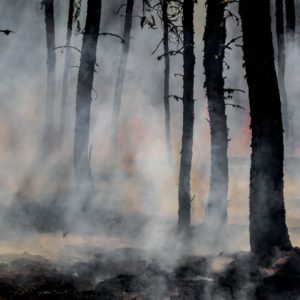
Late winter and early spring in the West can be snowy and rainy one minute, sunny and 70 degrees the next. Seasonal shifts are everywhere: bright green new growth, the first wildflowers, birdsong and … periodic plumes of smoke? Depending on where you live, spring can be an ideal time to light intentional, controlled fires....

While it still seems to be a long way off, Iran and Trump seem to be considering the conditions they need to make peace. As I’ve noted in past Low-Energy Fridays, peace is better for the economy than war, which destroys productive resources and erodes investor confidence. But we must also understand that the way in which this peace is achieved may impact energy markets in the long term. While any peace is generally better economically than the status quo, risks caused by the war may remain even after a deal is made.

Read more in the New York Times here.

At the current pace, it would take the Forest Service more than 50 years to treat the 19 most at-risk sequoia groves in the country, a timeline the species cannot afford. With faster treatment efforts, more groves will be safeguarded from out-of-control wildfires.