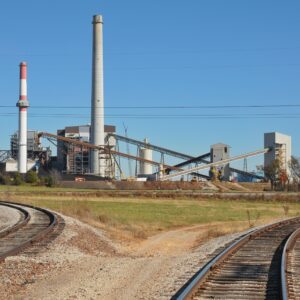
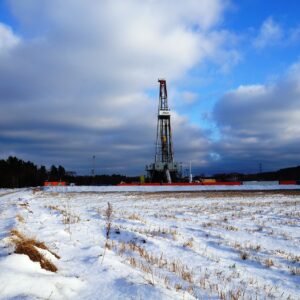
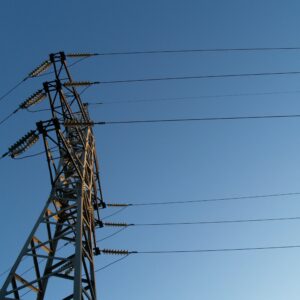
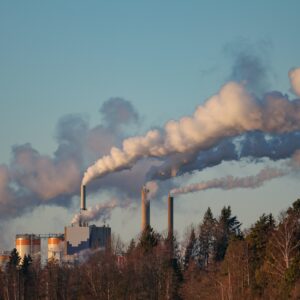
"Galvorn is made by splitting hydrocarbons, chiefly found in the combustion of petroleum and natural gas, according to the company’s marketing materials. The material acts as a form of carbon storage (sequestration, anyone?) and takes several forms, including a mesh that could be used in composite panels, electrodes and garments; a fiber for conductive wire, power lines and motor windings; and a film for electromagnetic shieldings, batteries and antennas."
Articles from Around the Web
America Can Have More Clean Energy or More Toad-Protecting Regulations, but Not Both
Tate Watkins writes in Reason about the conflict between onerous regulations and clean energy. online pharmacy buy super-kamagra no insurance with best prices today in the USA “One project being stymied by environmental and tribal objections in what is reportedly one of the loneliest places in America should raise questions about where future energy projects...
New IPCC Report Should Inspire Hope, Not Panic
Elijah Gullett writes in RealClearEnergy about the latest UN climate change report. online pharmacy buy mobic online no prescription “The IPCC report will undoubtedly produce more doomsday headlines in the coming weeks, but rather than embrace despair, we should use the IPCC’s insights to prepare for climate challenges. We have all the tools we need...
Reuse of coal plants can cut small modular nuclear reactor development costs by 35%: report
"Other benefits highlighted by the report are SMRs’ flexible power output levels that allow developersto match the output of a retiring coal plant and capacity restrictions of equipment, unlike the fixed capacity of traditional nuclear plants. And SMRs require small areas, making its footprint suitable for replacing a retiring coal plant, according to the report."
ConocoPhillips CEO Doubles Down on Alaska Oil as Competitors Leave Arctic
"Willow has earned ConocoPhillips scorn from environmental groups, who say the project will emit climate-warming greenhouse gases for decades. But it has found support among some Alaska Natives’ associations, local politicians and the Alaska delegation in Congress. Proponents say that Willow could generate local, state and federal revenue of up to $17 billion and create more than 2,000 construction jobs and 300 permanent jobs."
Proposed bills to make Texas power grid more reliable face criticism
"'Because those are held out of the market, it’s 10,000 MW that consumers are paying for on their bills that are going to sit on the sidelines until we’re in a crisis,' said Michele Richmond, with Texas Competitive Power Advocates."
H.R. 1 Is a Win for American Clean Energy and National Security
"If you support advancing and deploying innovative clean energy technologies, increasing our national and energy security, and advancing America’s energy leadership—all while reducing global emissions and mitigating climate change—then the Lower Energy Costs Act is a necessary step."
Battelle, Climeworks, Heirloom Carbon, Gulf Coast Sequestration Bid on Direct Air Capture Hub for Department of Energy
"'This is the kind of project we’ve been working towards for decades and fits with our overall climate focus,' said Battelle Energy and Resilience Division Manager Shawn Bennett. 'Direct Air Capture technology is an important bridge to a future that greatly reduces the amount of legacy carbon dioxide in our atmosphere. But in addition to that, Project Cypress will be developed to the benefit of the local community, maximizing local job opportunities for the energy transition.'"
Meet the ‘methane man’ with a mission: Using microbes to eat up the greenhouse gas
"On Wednesday, Windfall Bio is revealing its mission to the public for the first time and announcing a $9 million round of funding from venture firm Mayfield, with participation from other investors, including Bill Gates’ Breakthrough Energy Ventures."
Former oilfield engineers launch climate startup that uses ancient carbon-trapping technology
"Biochar is typically made through a process called pyrolysis where organic material is heated to a high temperature in a low-oxygen environment, creating a high-carbon material. Biochar was used historically to enrich soil, making it more fertile for crops."