Alan Ohnsman of Forbes reports on a startup that is lowering ocean acidity and creating green hydrogen. “This approach was sketched out in a paper Sant and other UCLA scientists published in 2021 on what they call ‘single-step carbon sequestration and storage.’ It envisions future plants that would be large electrochemical reactors, with lots of tanks, plumbing...
Articles from Around the Web
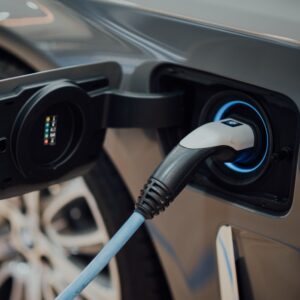
Biden’s EV bet is a gamble on critical minerals
"The Inflation Reduction Act’s requirements could prove tricky as EV productions ramp up. They limit how many vehicles can get tax credits, as the law specifies many battery parts and the minerals that go in them must be sourced domestically or from U.S. trade allies — a mandate only a fraction of EVs can now meet, according to a list Treasury released Monday."
Durham clean energy firm, with plans to go public, moves closer to building $750-$950M plant
WRAL TechWire reports that NET Power is taking steps to build its $750-$950 million power plant. “NET Power already operates a demonstration plant for its technology in Texas. Design work for the larger plant is expected to be completed in 2024, according to the company. Target launch date is 2026.” online pharmacy buy augmentin online...
Berkshire Hathaway’s Energy Idea Is a Bad Fit for Texas
Jinjoo Lee of The Wall Street Journal writes about Texas’ potential grid market restructuring. “The proposal isn’t cheap. Building out 10 gigawatts—the upper limit of what the bill envisions—would cost about $18 billion, according to a recent estimate from the Lower Colorado River Authority, a nonprofit public utility with headquarters in Austin, Texas. The Texas...
If we can plan for nuclear reactors on the moon, we can relax planning here in Britain
"In space, no one can hear you scream opposition to critical infrastructure development, so things get built. If Britain wants cheap energy, it must first fix its broken planning system."
DAC startup Noya raises $11M from USV, Collab Fund
"Noya's DAC machines are modular devices that can be stacked on top of each other to capture more carbon."
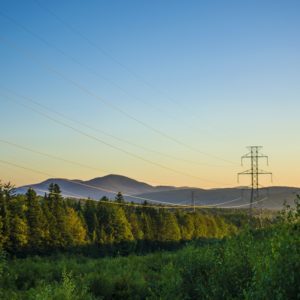
It Took 15 Years for the Feds To Approve a 700-Mile Electric Line
"With all the permission slips finally locked down, construction on the line will begin later this year, and the 3,000-megawatt line could be operational by 2028, EnergyWire reports. By then, it'll be 23 years since the project was first proposed in 2005."
Onsite Nuclear Provides 24/7 Clean Power
"SMRs promise data centers what they’re looking for: a reliable, low-cost, carbon-free energy source that yields round-the-clock uptime. Data centers of all sorts (hyperscale, colocation, or telecom) can use SMRs to secure the energy independence they need to overcome bottlenecks in the grid and to avoid competition for energy with local communities."
This Texas geothermal startup is storing energy in the ground
"The startup installed a ground-level storage facility that holds some 30,000 barrels (1.26 million gallons) of water, the source for which is a nearby private water well. Sage pumps water into the fracture in various volumes and measures the water’s flow rate — or how many barrels are moving through the well per minute. Computer models use the data gathered during testing to simulate how much electricity the site could discharge, like a battery, over certain periods of time."
Here’s What Cover Crops You Should Plant This Spring
"Sorghum species are drought- and heat-tolerant, and they are excellent nutrient scavengers. Flax adapts to a wide range of environments and is tolerant of temperatures slightly below freezing. Soybeans seem more prone to attack by insect pests and are not as drought-tolerant as other warm-season legumes."