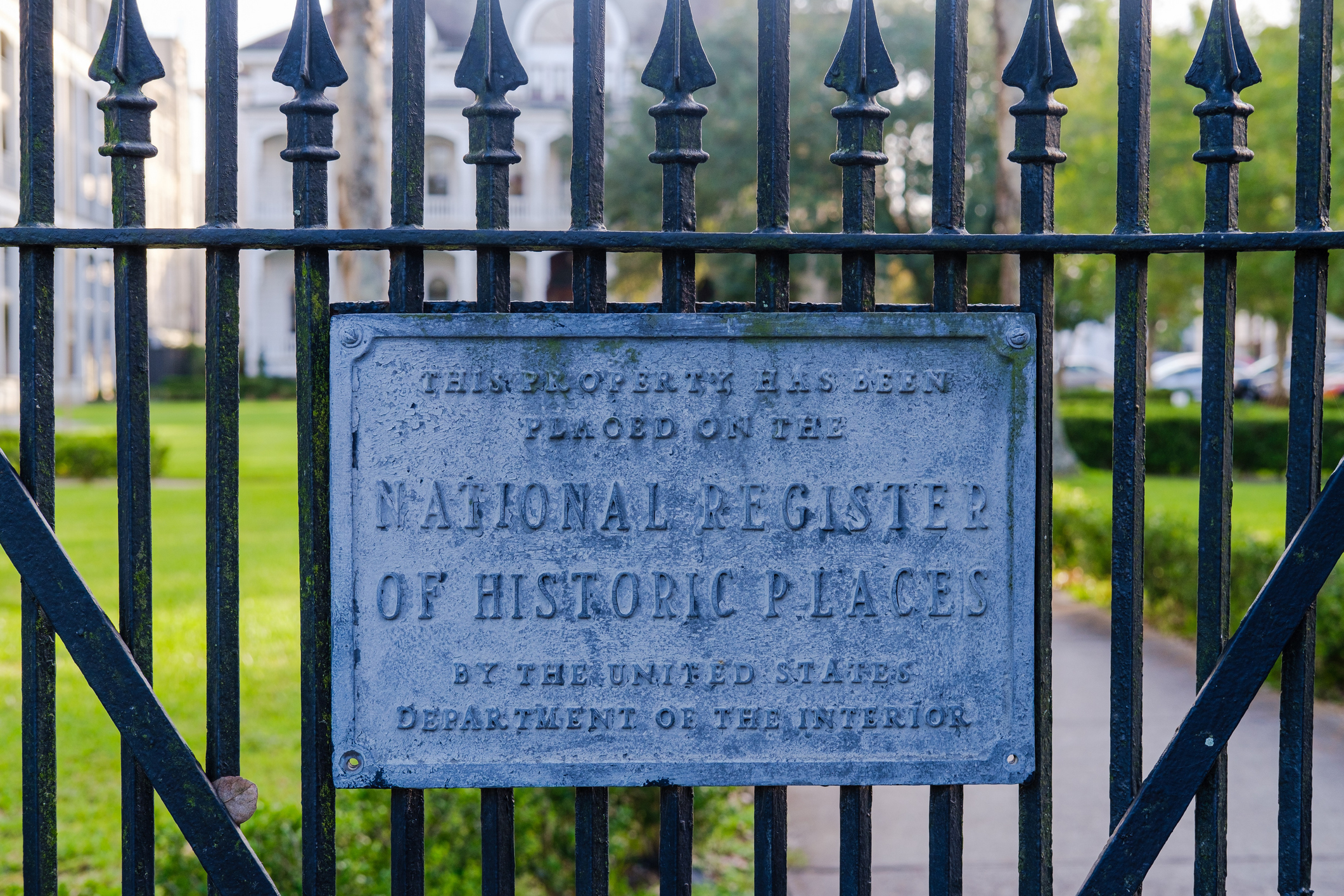
Congress is running short on time to pass a comprehensive permitting reform package before the lame duck this fall. On the table awaiting votes are bills reforming the National Environmental Policy Act, Endangered Species Act, and Clean Air Act. The National Historic Preservation Act, which has recently gained traction as a permitting barrier to projects, has received comparatively little attention in Congress.
On July 24, however, the Advisory Council on Historic Preservation (ACHP) voted to advance a draft proposed rule that would change how the NHPA Section 106 process is implemented. Among other reforms, it would substantially change how agencies conduct the Section 106 process. It would reform how historic properties are defined, which effects count as adverse, and would streamline certain program alternatives and reviews.
The NHPA is a landmark law designed to protect historic, archaeological, and cultural resources. It was enacted after rapid development after World War 2 destroyed many meaningful cultural and historic sites. Its core compliance process, Section 106 mandates that federal agencies “take into account” the effect of a federal undertaking on historic properties.
While Section 106 is purely procedural, over time the regulations have strayed from the initial intent of “stop, look, and listen,” before continuing with a project. Over time, the implementing regulations have led to lengthy reviews that cover enormous amounts of land and mitigation requirements that can invite litigation. The proposed rule aims to rightsize the process and align it more closely with the statutory text.
As the ACHP noted in the proposed rule, the current regulations for implementing Section 106, NHPA’s core compliance process, can create confusion and exacerbate permitting delays for energy projects and other infrastructure. When no historic properties are identified, or state and tribal preservation offices have modernized databases and systems, the current process generally works well.
Yet, the ACHP pointed to a permitting study that showed that, in extreme cases, review timelines have reached between five and seven years when combined with other permitting statutes. In more standard cases, typical transmission and pipeline projects can still take two years or more.
>>>READ: Restoring Predictability to Historic Preservation Review
If the proposal is finalized, the typical process of determining if an undertaking has historic properties, assessing its impacts, and determining how to address any effects would be consolidated into one “Section 106 Report.” The ACHP and state and tribal preservation officers can then provide feedback to agencies before the agency issues a “memorandum of decision” addressing how it will handle adverse effects or if other considerations will outweigh the historic preservation of those properties.
Currently, when projects reach what is known as the “memorandum of agreement” process, agencies and relevant parties agree how they will mitigate, minimize, or avoid effects. The memorandum of decision process would, as the document states, align that with the statutory text of Section 106. It would clarify that the agency ultimately has final say and that economic impacts and cost considerations should be incorporated into decision making.
Consolidating the review into one report could streamline the process. At the same time, asking consulting parties to respond after the agency has developed much of its analysis could reduce opportunities to identify and resolve concerns earlier in the process.
As C3 Solutions recommended in Modernizing Section 106 of the National Historic Preservation Act, removing indirect and cumulative effects from what constitutes an “adverse effect” and limiting review to effects with a close, causal relationship to the undertaking is a welcome step forward in the ACHP’s proposal. When it comes to multijurisdictional projects, however, agencies may still disagree on what constitutes an “adverse effect” and so the finalized rule should include the mandatory designation of a lead agency for better coordination on projects.
Aligning NHPA reform with NEPA is likewise important because the same federal actions often trigger both statutes, and so they can be litigated together. Bringing Section 106 closer to the standard the Supreme Court set in Seven County by focusing review on the undertaking itself, rather than separate upstream projects or speculative effects, could reduce delay and the risk that litigants use the NHPA to pursue similarly expansive claims.
Making public comment optional, however, may do more harm than good. One alternative would be to retain the public comment period while requiring parties to raise any concerns during that period. Those that fail to do so would be barred from suing the agency over the specific decision years down the line.That could ease endless litigation concerns, but still retain the collaborative nature of historic preservation.
Another adjacent C3 proposed reform–to encourage agencies’ use of programmatic agreements to streamline routine projects– has similarities to the proposed rule. If implemented, the ACHP would eliminate certain programmatic alternatives that aren’t used, while encouraging agencies to use the remaining ones more frequently. Programmatic alternatives are tailored processes that allow agencies more flexibility in Section 106 review. They have been used successfully by agencies, including the Federal Highway Administration to streamline routine transportation projects, as well as the Forest Service to phase review on critical forest management projects.
>>>READ: Modernizing the National Historic Preservation Act
Reforms should help protect historic sites while providing more certainty and clarity to the process. However, it is also important that state and tribal offices have the resources necessary for proper consultation. Without congressionally allocated resources to help states and tribes build more robust databases for early consultation and more efficient processes, the changes may not accomplish the intended objectives. Washington and Utah have shown that with the right resources and platforms, review timelines and costs decrease. Better Geographic Information System (GIS) databases nationwide that store and map archaeological data, similar to Washington’s WISAARD platform, would speed reviews significantly, all while ensuring historic and cultural sites remain preserved.
The proposal’s clarification that applicants for federal funding or permits should be invited to participate as consulting parties could also improve early coordination and project planning. Clarifying that Section 106 doesn’t mandate any specific outcome shouldn’t have to come with a disregard for these resources. Congress and the ACHP should explore voluntary, incentive-based preservation measures where parties that collaborate early on and agree upon mitigation, minimization, or avoidance measures could receive some incentive.
Once reviewed by the Office of Information and Regulatory Affairs and published in the Federal Register, the proposal will sit in a 30-day public comment period. The final rule should preserve meaningful consultation while bringing Section 106 closer to its intended purpose so energy and environmental projects can move forward without unnecessary delay.
The views and opinions expressed are those of the author’s and do not necessarily reflect the official policy or position of C3.