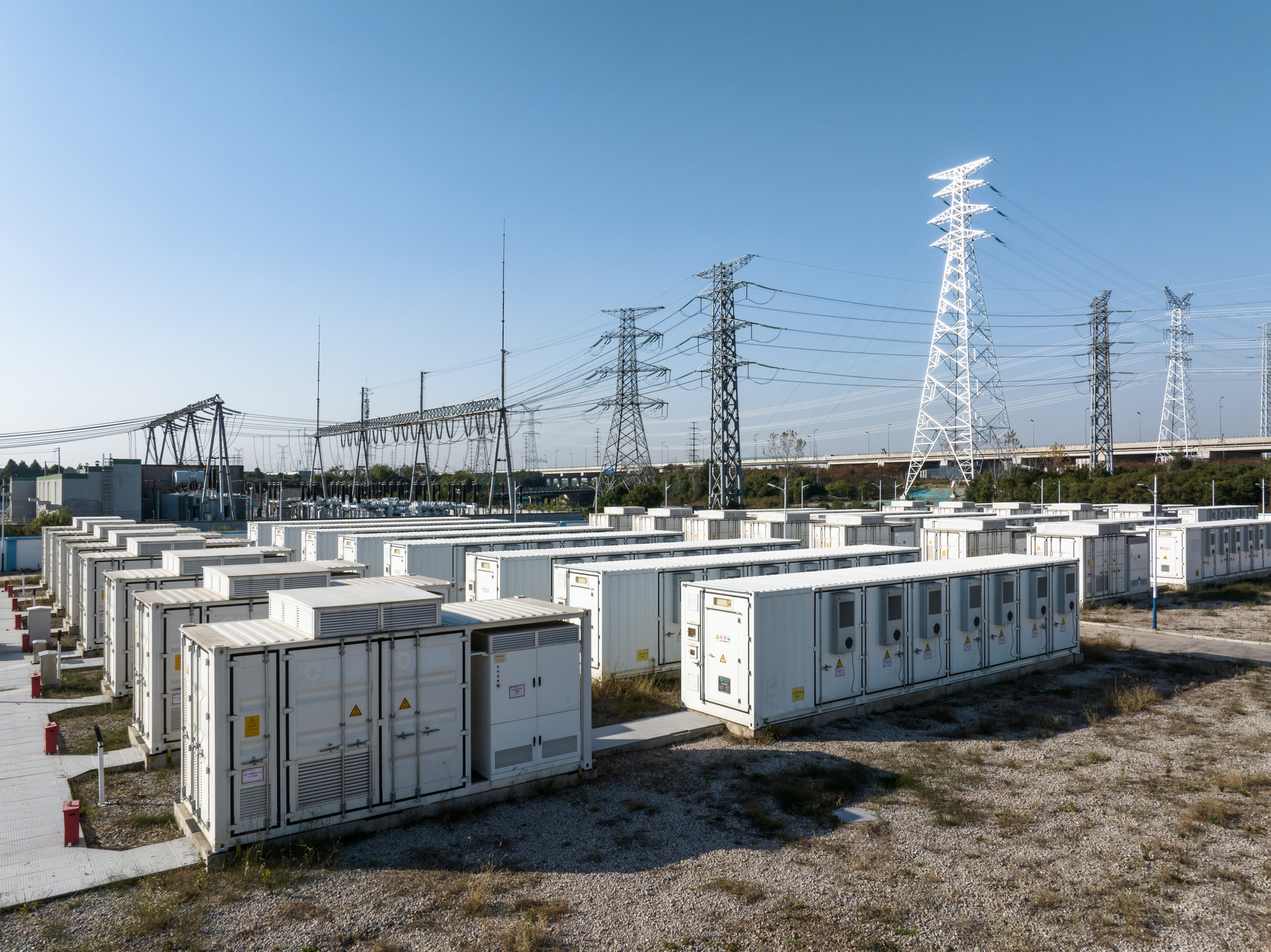
America’s rural population of 66 million could benefit immensely from emerging technologies and a future of abundance. In particular, long-duration energy storage (LDES) could unlock cheaper, more reliable electricity for rural Americans all over the country. Unfortunately, regulatory problems could slow down or even prevent progress on LDES. Now is the time to fix these issues and pave the way for solutions.
LDES is a term for systems capable of storing and supplying electricity for at least 8 to 12 hours (depending on who you ask). These systems could reduce energy waste and scale more easily. Most existing batteries need expensive components to increase storage, but LDES technologies could add storage easily and at a low additional cost. Estimates vary on how soon LDES could become a widespread reality, but if current trends continue, we could get there within a decade.
To be clear, LDES is a work in progress. The technology itself is still in development, and questions remain about how LDES providers would be compensated and which authorities would regulate it. But it still has potential: Form Energy signed an agreement to deliver LDES systems starting in 2027 to power AI data centers. Additionally, Google and ESS Tech are developing another LDES project.
LDES may be able to address challenges all over the country, but rural Americans stand to gain the most. To start, rural populations endure some of the worst energy conditions in the United States. These Americans spend a disproportionately high amount of their income on electricity bills, and they experience far more outages than urban and suburban households. LDES could reduce the financial burden of these problems, as it can store energy (including locally produced energy) for longer than typical batteries. The batteries can charge during low-demand periods and provide electricity during high-demand periods and outages, providing a valuable backup.
Regulatory issues could inhibit these benefits. For one, LDES technologies could be at the back of a long interconnection line when they’re ready. At the end of 2025, over 2,000 gigawatts of generation and storage capacity were seeking grid connection. Interconnection wait times often take several years. Connecting remote and rural communities to existing transmission systems is already slow, expensive, and sometimes treated as a low priority.
>>>READ: Energy‑Only, Not Energy‑Never: A Better Path for Generator Interconnection
Even if wait times were less of an issue, LDES solutions would still be in uncharted territory for regulation. Since LDES can both provide electricity and act as insurance during outages, it doesn’t fit into any one existing market or revenue type, making regulation difficult. To end this confusion, regulators should create simpler rules that would let LDES operate in a clear and consistent regulatory environment, recognizing that the technology can provide multiple services at once.
A workaround to these existing issues could be islanding, which lets smaller grids operate independently of the larger grid. Complemented with LDES, islanding could be a good solution, especially during outages. But even if islanding were only a backup during outages, it would cause regulatory issues. Utilities often have exclusive rights to deliver electricity, making islanding difficult. Rural communities can suffer disproportionately from these problems, as they might not have the same backup options during outages as urban communities with more reliable access to the grid. One solution could be softening exclusivity rights for smaller grids to enable more islanding and LDES connections.
Some might say that there’s no point in addressing these problems now since LDES solutions aren’t quite ready for deployment yet. But these same regulatory roadblocks have caused setbacks for other emerging technologies and should be preemptively addressed. For example, distributed energy resources like smaller batteries and EV chargers deal with many of the same slow and complicated interconnection rules. These problems exist even though the technologies themselves are ready for use. If similar regulatory issues were solved earlier for distributed energy resources, more Americans might have been able to access these technologies. The same logic applies to LDES development.
These difficult regulatory conditions won’t just be problems in the future. They might also discourage innovation now. Some experts have already noted that a patchwork approach of changing regulations has made investors wary of financing battery storage initiatives in recent years. Rather than grid operators changing the rules individually, national leaders should work together to encourage consistency. Without a predictable and innovation-friendly approach, battery projects could miss out on vital capital, pushing their timeline back.
>>>READ: More Current, Less Cost: Why Advanced Conductors are an Overlooked Grid Capacity Tool
The good news is that even with open questions about when LDES technologies might be ready for large-scale usage, they could be the next technology to solve longstanding electricity problems. Slow responses and other priorities might make these solutions seem unimportant, but they could make the lives of Americans much easier. If our citizens and leaders realize the value of LDES solutions, as well as what’s holding them back, this kind of deregulation could be a reality.
LDES has potential for rural populations and could be a solution to many of their problems. It’s not the only improvement that’s necessary — grids still need to be upgraded, and transmission lines need to be built — but it’s a promising technology that’s worth exploring. Rather than waiting for these solutions to be realized, the country should act now to dismantle regulatory barriers that could slow down its success. It would be a shame if governance issues inhibit LDES, a technology with tremendous investment, years of development, and potential to help people.
The views and opinions expressed are those of the author’s and do not necessarily reflect the official policy or position of C3.