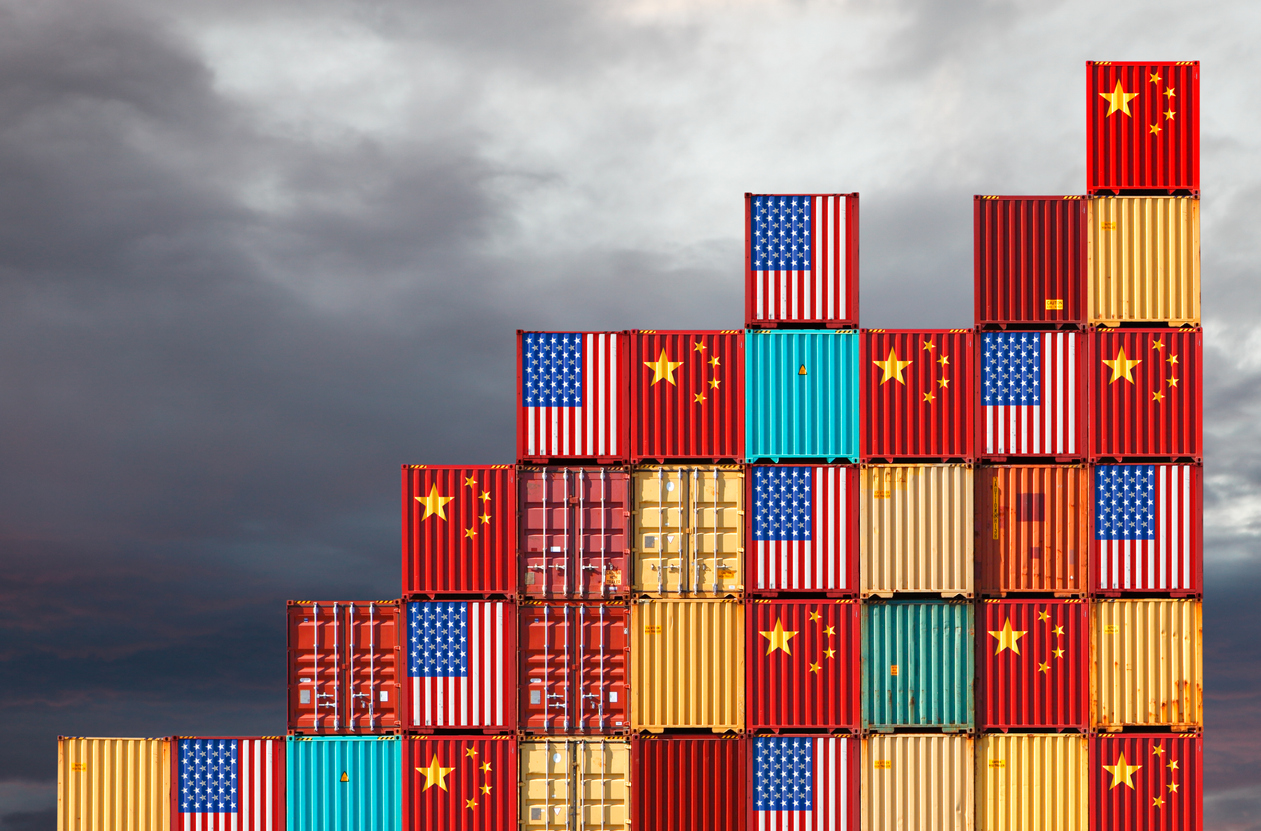
Chinese President Xi Jinping arrives in Washington today for a three-day state visit. Export controls will be a central focus of his meeting with President Trump. Two moratoriums, one on U.S. controls on advanced semiconductors needed by Chinese tech firms and one on the reciprocal Chinese controls on rare earth minerals, are set to expire on November 10. A major question is whether, and for how long, those moratoriums will be extended. As the visit begins, it’s worth remembering that both nations have an interest in restarting open trade in these minerals.
Much of the concern over critical minerals has focused on China’s dominance in the mining, refining, and processing of many minerals crucial to the modern economy. The current narrative often paints this dominance as a conscious effort to control mineral chokepoints for geopolitical purposes. State support has certainly been an important contributor to the industry’s growth. But China’s position also reflects lower labor and environmental costs and is in large part the outcome of ordinary globalization and specialization.
China’s recent decision to use that position as a bargaining chip in the U.S.-China trade dispute shows that its advantage comes with downsides. But it is important to recognize that these restrictions have been largely reciprocal, coming in response to U.S. restrictions, especially on semiconductors. In December 2024, for example, China banned exports of gallium, germanium, and antimony to the United States right after Washington expanded its chip export controls. This and other controls underscore that Chinese dominance poses a threat to U.S. access to minerals. But they also suggest that softer export restrictions are possible if both sides are willing to de-escalate.
It’s also important to recognize that China has domestic interests to balance, which must be weighed against any international goals. Upstream miners and refiners benefit from selling to the world at world prices, while downstream manufacturers benefit when Beijing uses export restrictions to hoard minerals at home, because it gives them cheaper inputs and an edge over foreign competitors. Environmental concerns add another dimension, since mining and processing rare earths is dirty work that China has tried to clean up. Restricting exports serves some of these interests and harms others, and the goal of U.S. negotiators should be to find the places where U.S. and Chinese interests are aligned and the benefits of trade to China outweigh competing concerns.
>>>READ: How America Should Respond to China’s Industrial Dominance Playbook
For decades, China resolved its internal tensions mostly in favor of openly trading minerals. That openness is a big reason the U.S. economy relies so heavily on rare earths and other minerals from China. American manufacturers built products and supply chains around a steady supply of cheap Chinese inputs, and consumers enjoyed the lower prices that followed. Restarting that trade would benefit American consumers and many of the very manufacturing industries the Trump administration wants to keep or bring back to the United States.
This doesn’t mean Washington should simply back down. But it does mean the controls on rare earths and other minerals need to be viewed in the broader context of a U.S.-initiated trade dispute. There are legitimate geopolitical concerns about China, particularly its military pressure on Taiwan, its expansive territorial claims in the South China Sea, and its human rights abuses in Xinjiang and Hong Kong. For example, China restricted rare earth and other dual-use exports to Japan after Japanese Prime Minister Sanae Takaichi suggested Japan could respond militarily to a Chinese attack on Taiwan. U.S. negotiators should continue to object to that ban.
Nor should the U.S. lose focus on longer-term goals. Structural fixes to U.S. permitting and regulatory systems, broader removal of trade restrictions on allies and alternative sources of minerals, and national security stockpiles should all be pursued. But much of the current scramble for new domestic or allied mining and processing may be unnecessary as long as Washington prioritizes restoring access to Chinese minerals.
Amid this urgency, policymakers have reached for loans, equity stakes, and price floors to build alternative supply chains quickly, in the name of national security and with little regard for the potential downsides. Those tools put taxpayers at risk and may cost more than the disruptions they aim to prevent. Instead of rushing into sweeping reforms, policymakers should focus on narrow, targeted responses to legitimate national security needs and pursue measured, long-term fixes. In the short term, they should prioritize removing the immediate source of the disruption.
The quickest short-term fix is right in front of the two leaders this week. They should recognize that both countries gain from de-escalation, and that both would gain from rolling back their export controls.
The views and opinions expressed are those of the author’s and do not necessarily reflect the official policy or position of C3.