Last week, the Trump Administration announced its intention to withdraw the United States from several landmark international climate institutions, including the United Nations Framework Convention on Climate Change (UNFCCC) and the Intergovernmental Panel on Climate Change (IPCC). In practical terms, the move is largely symbolic: U.S. participation or non-participation in these bodies has relatively little direct effect on domestic climate policy or near-term global emissions outcomes.
But the symbolism cuts both ways. Though withdrawal has little immediate impact, it also offers little upside. It comes with meaningful long-term downsides, especially for the United States’ ability to hedge climate risk, shape global climate and energy discussions in ways that serve U.S. interests and maintain international credibility.
The UNFCCC, adopted in 1992, provides the basic framework for countries to negotiate international efforts to limit greenhouse gas emissions. Withdrawal would make the United States the only country in the world outside this framework. The IPCC, created in 1988, is a scientific body tasked with synthesizing and communicating the state of climate science to governments. Neither institution imposes binding, formal obligations on the United States.
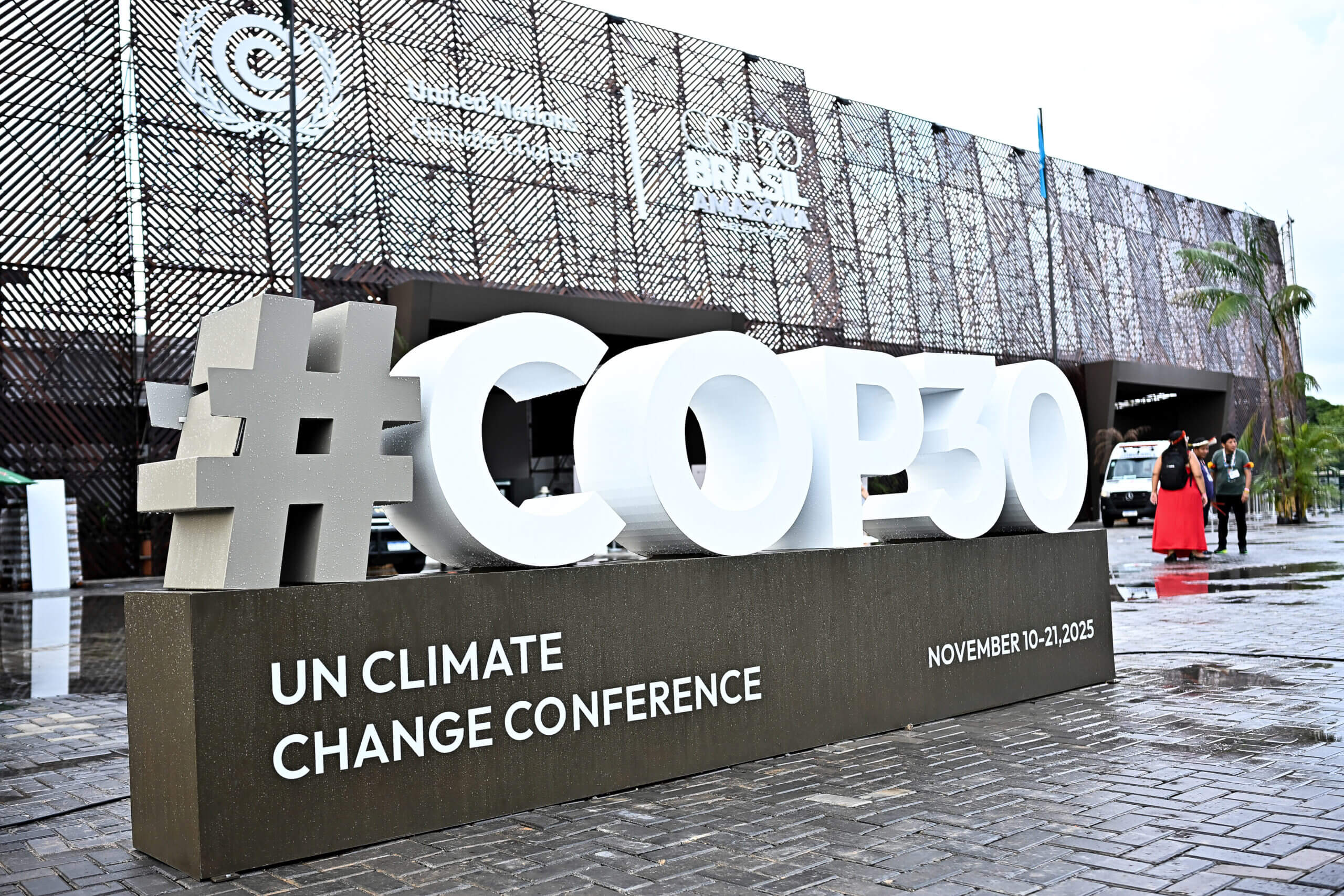
President Trump’s decision to withdraw is not unexpected. Speaking to the United Nations last fall, he described climate change as “the greatest con job ever perpetrated on the world.” The administration has already withdrawn from the Paris Agreement, negotiated under the UNFCCC in 2015. The United States did not send an official delegation to last November’s 30th Conference of Parties to the UNFCCC (COP30) meeting in Brazil, failed to report emissions data last year, and has already indicated it will no longer contribute to the UNFCCC secretariat’s budget.
In other words, the current move is simply the latest step in a broader retreat from multilateral climate engagement. The legality of a president unilaterally withdrawing from a Senate-ratified treaty is contested, but the practical day-to-day impact on global climate negotiations, scientific research, or U.S. domestic environmental policy is minimal. These agreements generally require only modest reporting, scientific participation, and financial contributions. In that sense, they are mostly symbolic, and so, therefore, is the decision to withdraw from them.
But then what is the symbolism of this decision? Some of the intuition behind the decision is legitimate. Climate alarmism and scientific activism have, at times, pushed aggressive policy proposals that overstate the strength of the evidence and fail to adequately weigh competing priorities such as economic prosperity and energy affordability. Skepticism of sweeping, high-cost climate mandates is not unreasonable or anti-scientific.
But full withdrawal goes beyond a reasonable corrective. It signals broad disinterest in climate science and international cooperation. This retreat is shortsighted and could be costly in the long run.
Even the most skeptical observer should have the intellectual humility to acknowledge that there may be sufficient climate risk to warrant some degree of global cooperation. Even if uncertainty remains today, removing the United States from a global climate framework with relatively small present-day costs could impose future burdens, particularly if circumstances change and the United States seeks to reengage.
>>>READ: At COP 30, It’s Time to Reframe the Conversation about Climate Change
More importantly, disengagement limits the United States’ ability to steer global climate conversation in ways that reflect U.S. interests and values. It also reduces American influence in related areas where climate policy interacts with trade, industrial policy, and national security. As Roger Pielke, Jr., a senior fellow at the American Enterprise Institute, has argued, withdrawing from the UNFCCC and the IPCC would forfeit valuable influence and soft power in international climate debates.
Finally, at a time when other global powers, particularly China, are eager to portray themselves as champions of green energy and climate leadership, U.S. withdrawal cedes important diplomatic ground. It undermines America’s ability to serve as a role model for how policies that emphasize economic growth, technological innovation, and individual freedom can also contribute to a cleaner and more resilient economy.
These moves are primarily symbolic, but that does not mean they are harmless. A more balanced, evidence-based approach to climate risk would allow the United States to demonstrate leadership without embracing alarmism or overreach. Pretending climate risk does not exist, or removing ourselves entirely from the conversation, is counterproductive to both sound policy and U.S. interests.
The views and opinions expressed are those of the author’s and do not necessarily reflect the official policy or position of C3.