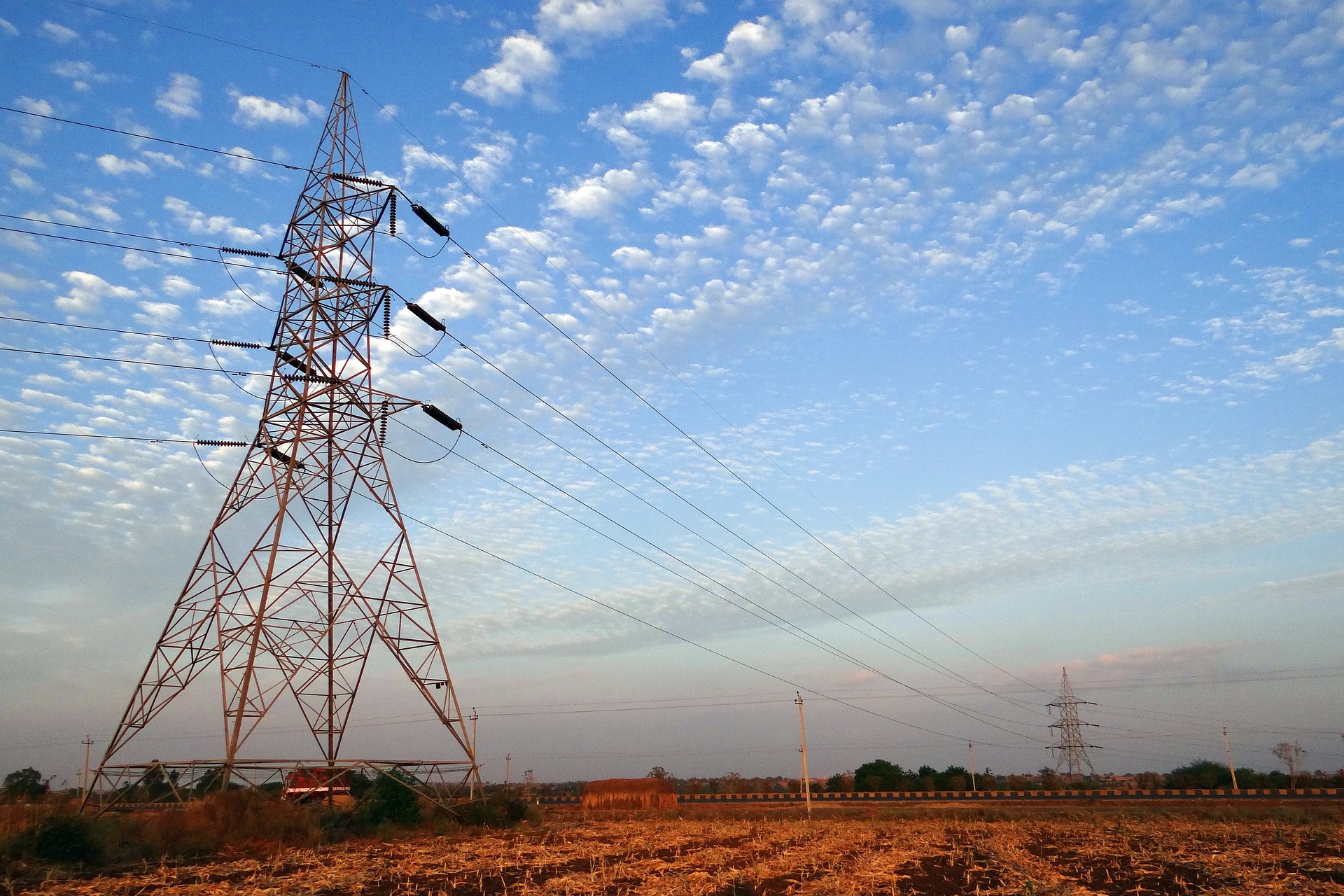
America has an infrastructure problem hiding in plain sight. Too often, when a storm rolls through, millions of homes dark. Politicians hold press conferences, utility companies apologize, and nothing fundamentally changes. The U.S. power grid is not a modern system under routine stress. It is an aging, fragile patchwork operating well past its design life, and the consequences are landing squarely on ordinary Americans and the natural environment around them.
The numbers are stark. U.S. electricity customers experienced an average of 11 hours of power outages in 2024—nearly twice the annual average of the previous decade. A report from the American Society of Civil Engineers graded U.S. energy infrastructure a D+ in 2025, citing a shortage of distribution transformers, inadequate transmission capacity, and severe weather vulnerability. And despite the Infrastructure Investment and Jobs Act (IIJA) allocating $73 billion to modernize the electric grid, the report explains, the sector still faces a $578 billion investment gap.
Built for a Different Century
The American power grid is aging toward a breaking point. Built largely in the 1960s and 1970s, 70 percent of transmission lines are now nearing the end of their design life — infrastructure that was never engineered to withstand the demands of today’s climate or energy load. The consequences are already showing up in the data: the average length of the longest annual outage has grown from 8.1 to 12.8 hours since 2022, with customers in the South averaging 18.2 hours without power.
When Hurricane Helene made landfall in 2024, it left over 4.7 million customers without power, not because the storm was unprecedented, but because the system it hit was too brittle to absorb the blow. That distinction matters. A better-maintained grid would not eliminate severe weather, but it would dramatically reduce the scale of harm that follows.
And that harm is not abstract. This is an environmental issue in the most direct sense — not a debate about emissions, but about the physical condition of systems Americans depend on every day. Downed lines spark wildfires. Flooded substations contaminate water supplies. Extended outages kill elderly residents and devastate local ecosystems. The land, the water, and the people bear the cost when aging infrastructure collapses under weather stress it was never built to handle.
>>>READ: How Renewables and Batteries Saved the Texas Grid in 2025
Updating the grid is not a futurist ambition. It is overdue maintenance on a system already failing the people it serves.
What Actually Works
The good news is that the solutions are plentiful. They are also well understood, market-ready, and largely free of ideological baggage, if policymakers have the will to pursue them.
Harden the physical infrastructure.
Burying critical distribution lines, replacing aging transformers, and deploying fire-resistant materials on transmission towers reduces outage duration and prevents the cascading failures that turn routine storms into regional disasters.
Streamline permitting for new transmission.
New high-voltage lines can take over a decade to permit and build. Grid-enhancing technologies (advanced power flow controls, dynamic line ratings, two-way communication upgrades) allow utilities to extract significantly more capacity from existing infrastructure without years of new construction. Permitting reform that conservatives already support for pipelines applies equally here.
Build out microgrids and distributed storage.
Microgrids, localized grids that can operate independently when the central grid fails, are already protecting hospitals, military bases, and campuses. The same logic scales to neighborhoods and individual homes. Home battery systems keep households online during outages while feeding stability back to the broader grid. Forty-eight states took grid modernization actions in Q2 2025 alone.
Own the Solution
Conservatives are right to resist mandates and green branding. But infrastructure modernization is not a progressive priority; it is a property rights issue, a national security issue, and a cost-of-living issue. The Department of Energy has warned that outage risk in several regions could rise more than 30-fold without intervention.
The grid is a commons. When it fails, it fails everyone. A conservative movement serious about stewardship of land, water, communities, and the economy should be leading this fight, not sitting it out.
The views and opinions expressed are those of the author’s and do not necessarily reflect the official policy or position of C3.