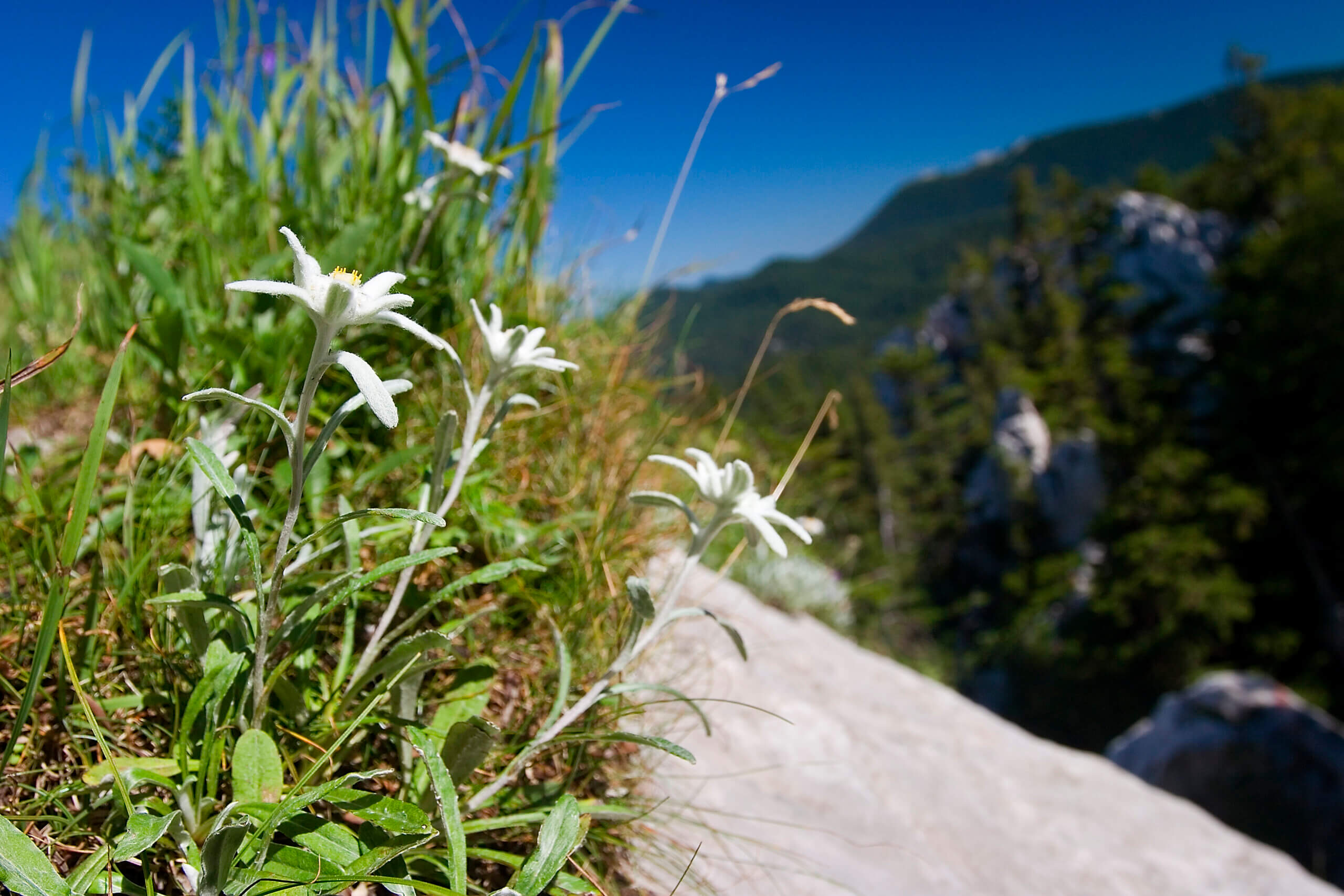
A secret to recovering high numbers of endangered and threatened species lies with the most overlooked among them: plants. Although endangered plants have historically received significantly less investment than endangered animals, 74% of recoveries in the last 5 years have been plants. Simply put, the Endangered Species Act is working for plants to a degree that it isn’t — yet — working for wildlife. By prioritizing plant recovery, we can produce record recovery numbers and reveal critical lessons for recovering other species cheaper and with less conflict.
While the ESA conjures images of bald eagles, grizzly bears and wolves, the majority of species covered by the act are plants, including the small whorled pogonia, Mead’s milkweed and the dwarf bear-poppy. Restoring healthy plant communities is often the key to recovering wildlife, from whitebark pine and grizzly bears to milkweed and monarch butterflies. Native plants also support agriculture, medicine, clean water and healthy landscapes — the very systems that hunters, anglers, ranchers and farmers depend on.
Yet rare plants garner few headlines and similarly little conservation investment. Less than 5% of federal and state recovery spending goes to plants. So, how are they disproportionately recovering?
The views and opinions expressed are those of the author’s and do not necessarily reflect the official policy or position of C3.