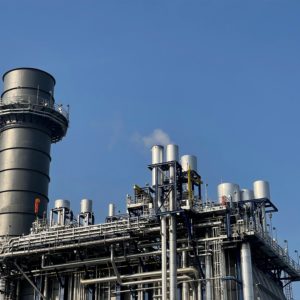
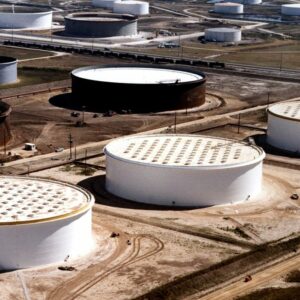
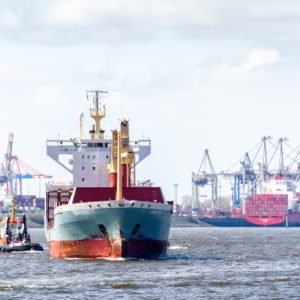
“Experts are debating to what degree there is enough gas to satisfy both surging exports and rising power demand from data centers in the coming couple of years.” Read more in Axios here.
Harvest Deep-Sea Minerals to Combat China
Harvesting from the sea floor is the most environmentally sustainable way to obtain the minerals we need. These nodules can be harvested using specialized, deep-sea vessels. Seabed nodules sit exposed on the ocean floor, allowing collection without significant disruption.
Gasoline-Starved California Is Turning to Fuel From the Bahamas
Read more in Yahoo! Finance here.
US issues license facilitating oil, gas exploration and production in Venezuela
Reuters’ Marianna Parraga reports that the Treasury Department has issued a new general license clearing the way for U.S. companies to provide equipment, technology, and services for oil and gas exploration and production in Venezuela. Read more in Reuters here.
Study ties particle pollution from wildfire smoke to 24,100 US deaths per year
The Associated Press reports on new research linking wildfire smoke to long-term health risks. Read more in The Hill here.
US oil capital Houston buzzes as industry limbers up for Venezuela oil rush
Reuters reporters Arathy Somasekhar and Nathan Crooks report on the growing interest among U.S. energy companies in returning to Venezuela. Read more in Reuters here.
Are Greenland’s resources a potential boon to the United States?
There’s an interesting paradox in economics known as the “resource curse.” Simply put, areas with abundant natural resources tend to be poorer than those that face scarcity. Competing theories attempt to explain the resource curse, but one generally accepted explanation is that these resource-rich countries usually have authoritarian governments while citizens under democracies fare better.
Withdrawing from Climate Treaties Is Mostly Symbolic, but It Has Little Upside
Last week, the Trump Administration announced its intention to withdraw the United States from several landmark international climate institutions, including the United Nations Framework Convention on Climate Change (UNFCCC) and the Intergovernmental Panel on Climate Change (IPCC). In practical terms, the move is largely symbolic: U.S. participation or non-participation in these bodies has relatively little direct effect on domestic climate policy or near-term global emissions outcomes.