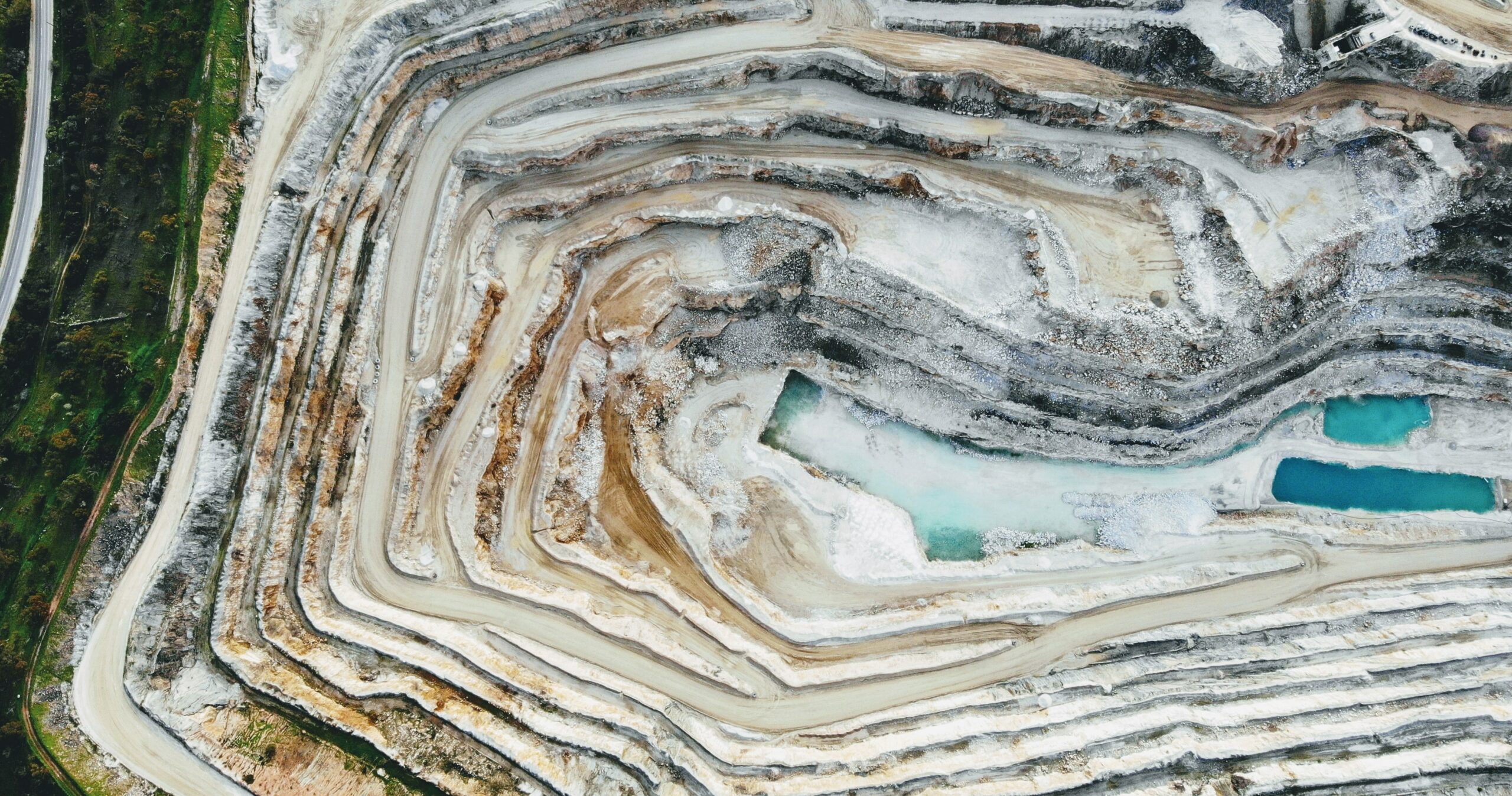
Rare earths are important inputs in modern society, but they have a somewhat misleading name. Rare earths are not actually all that rare, but they are difficult to refine, which makes them expensive.
This is where China maintains an advantage. Chinese firms account for 69 percent of the ore extracted, but China is responsible for more than 90 percent of the refining and produces nearly all of the manufactured rare-earth magnets.
Recently, The Economist magazine published a detailed report on China’s use of rare earths as a political weapon against the U.S. and its allies. The British news magazine offered some sensible advice. “The West does not need to develop a home-grown substitute for the entire Chinese rare-earth industry to reduce the threat China’s monopoly poses,” the Economist article concluded. Indeed, “the West could ‘significantly derisk’ by cutting its reliance on China to 60-70 percent of consumption. That would provide sufficient alternative supply for the most critical uses.”
The magazine also explained three steps to help us get the rare earths we need:
- Recycle
- Reduce consumption
- Replace magnets with motors or electromagnets
Recycling is difficult, but possible. Ames National Lab describes a method that would use 100 tons of leftover magnet material to produce as much as 32 tons of rare earth oxides. Doing so might make as much as $1 million in profits, making it effective at scale.
The startup Cyclic Materials is building a plant in Canada and another in the U.S. and has investors as partners, including Amazon, Hitachi, and Microsoft, which have invested more than $80 million. It could deliver as much as 500 tons of recycled rare earth elements per year.
When it comes to reducing and replacing magnets, we can go back to the past. The Economist noted that “Tesla’s early electric cars used induction motors. These eschew magnets on the rotor and rely instead on a phenomenon called electromagnetic induction to make it spin.” The reintroduction of such induction motors could help reduce the use of rare earths.
There are also answers to be found in new technology. “Nearly all the big car companies at least have the option to build electric motors without using rare earths,” automotive expert James Edmondson told the Economist. We must continue to develop technologies that can reduce the use of rare minerals.
Beyond the scope of the Economist’s response, the United States should step up and produce and refine more of the rare earths we need. Our country relies entirely on imports for 14 critical minerals and imports half of another 17 mineral commodities. That means other countries, especially the one spelled C.H.I.N.A., have too much power.
Two companies are working to develop domestic mines in Nebraska and Montana.
“As I sit and I think about how can we deal with this enormous leverage that China has over these minerals that nobody even knows how to pronounce for the most part, we have to deal with this leverage situation,” the CEO of one of those companies, NioCorp, told the Associated Press. “And the best way, I think, is that we need to make our own heavy rare earths here in the United States. And we can do that.” The Trump administration is attempting to help the young industry by cutting red tape.
Beijing has overplayed its hand before. When China attempted to cut off rare earth exports to Japan a decade ago, the Japanese turned to mines in other countries, including Australia, Brazil, Malaysia, and Vietnam. Today, Japan is investing in extracting rare earths off its coast. The U.S. should also invest in mining sea beds, which could be a safe and clean source of rare earths.
“The only way China can preserve its monopoly in the long run is to keep rare earths both cheap and abundant,” the Economist writes. By recycling, reducing demand, and producing more here in the U.S., we can beat Beijing at its own game.
The views and opinions expressed are those of the author’s and do not necessarily reflect the official policy or position of C3.