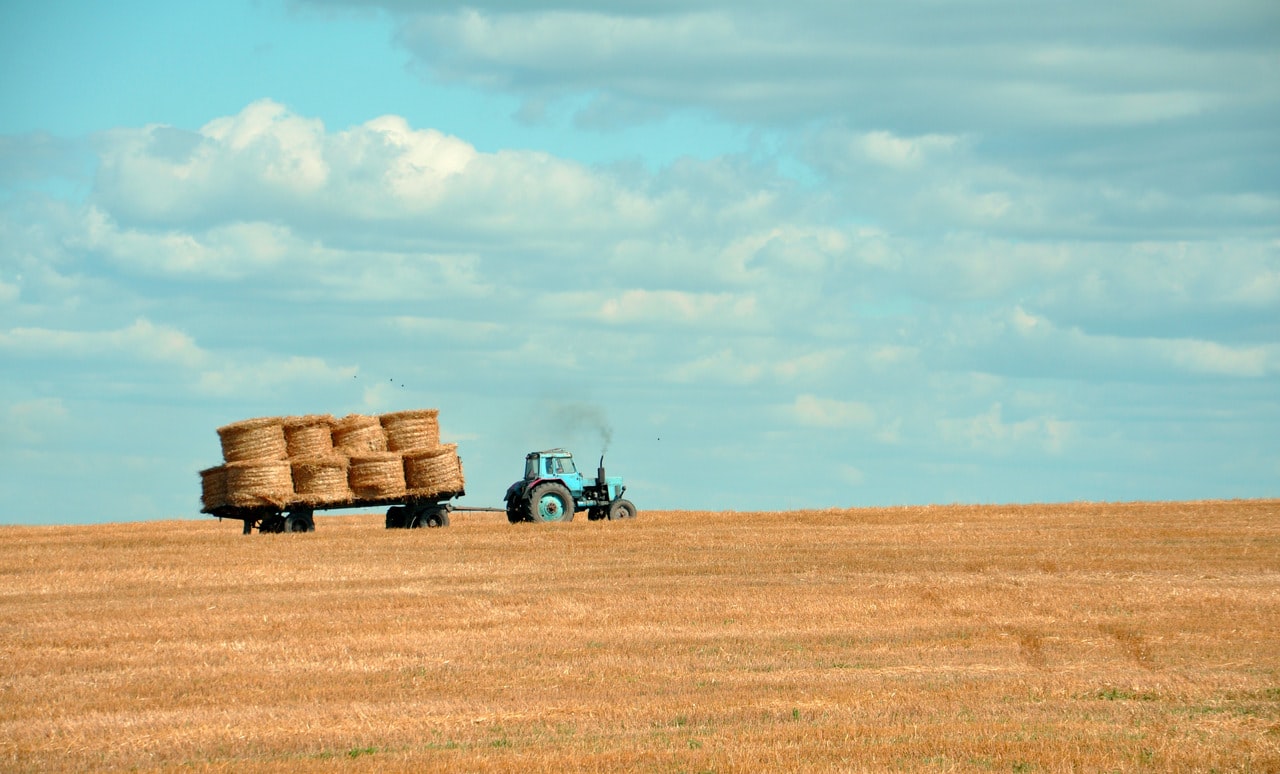
Across the rolling plains of Iowa, Kansas, and Texas, a quiet transformation is underway, not in research labs or lobbying offices, but on family farms. These are not sweeping reforms imposed by government regulation or activist pressure. Instead, they are bottom-up, data-driven shifts happening because farmers are finding better ways to grow food more efficiently. What’s emerging is a new model of agriculture: one where profitability and environmental health aren’t tradeoffs but twin outcomes of smart innovation.
Consider the Sorenson family in central Iowa. Their 1,200-acre corn and soybean operation has been passed down through three generations. For years, they adhered to standard practices, including conventional tilling, blanket fertilizer application, and pesticide cycles. Over the past five years, however, they’ve adopted precision agriculture technologies, such as GPS mapping, satellite imagery, and soil sensors, which tell them exactly when, where, and how much to plant, water, or fertilize.
The adoption of precision agriculture across much of Iowa’s corn and soybean belt is driven not by trends, but by economics. Family farmers are investing in GPS-guided tractors, soil sensors, and satellite imaging to maximize their planting, fertilization, and irrigation practices. These tools enable them to apply inputs only where and when they’re needed. The results are tangible: fertilizer use has decreased by up to 20 percent in some operations, fuel use is lower due to fewer passes across fields, and yields have remained stable, even during dry seasons. Just as importantly, reduced runoff is helping protect nearby waterways, making it a win for productivity and environmental quality.
Across Kansas, a similar shift is occurring, particularly among cattle ranchers who are facing rising costs and erratic weather. Many are shifting to regenerative grazing methods that improve pasture health while reducing reliance on supplemental feed. The Thompsons, a fourth-generation ranching family in the Flint Hills, began experimenting with rotational grazing after a severe drought in 2018 left their land brittle and overgrazed.
>> How AgTech is Empowering the Next Generation of Growers
Now, rather than letting cattle roam freely year-round, they move them strategically across paddocks to mimic natural grazing patterns. Between cycles, cover crops are planted to restore nutrients and hold moisture in the soil. The results have been striking: thicker grass, healthier herds, and less dependence on hay and grain during the winter months.
Further south in Texas, where triple-digit summers and flash floods are becoming the norm, soil health is turning into an economic lifeline. Miguel Herrera, who farms outside San Antonio, began testing carbon-smart soil practices three years ago, incorporating biochar, planting legumes for nitrogen fixation, and transitioning to no-till. He wasn’t looking to “offset” anything. He just wanted to keep his land productive.
“Every year, I used to worry if the rain would come at the right time,” Herrera says. “Now, the soil holds water longer. The crops stay green longer. That’s what makes the difference.”
These farmers aren’t driven by ideology or political agendas—they’re adopting this technology because it makes economic sense and improves the land they work. The label doesn’t matter. The results do.
>> The Cleaner Side of American Beef
And the results are promising. Precision agriculture reduces waste and boosts efficiency. Regenerative grazing improves soil structure and increases the land’s natural fertility. Carbon-smart practices strengthen resilience against drought and erosion. All of this leads to greater food abundance and healthier ecosystems—not in conflict with each other, but in concert.
For decades, agricultural progress was framed as a tradeoff: produce more food at the expense of the environment, or scale back production to protect nature. But in the fields of the American heartland, that equation is being rewritten. These farmers are showing that it’s possible to grow more, waste less, and restore the natural resources that farming depends on..
Bottom-up innovation aligns economic incentives with environmental progress. This quiet revolution won’t show up in press releases or headlines. But it’s there in the satellite data, in the soil quality reports, and in the balance sheets of families who understand that the most sustainable farm is the one that remains productive for generations.
The farm of the future isn’t a concept waiting to be legislated. It’s already here—in Iowa, Kansas, Texas—and it’s being built one practical choice at a time.
The views and opinions expressed are those of the author’s and do not necessarily reflect the official policy or position of C3.