A Case Study in Brazil: Read ClearPath’s full report here.
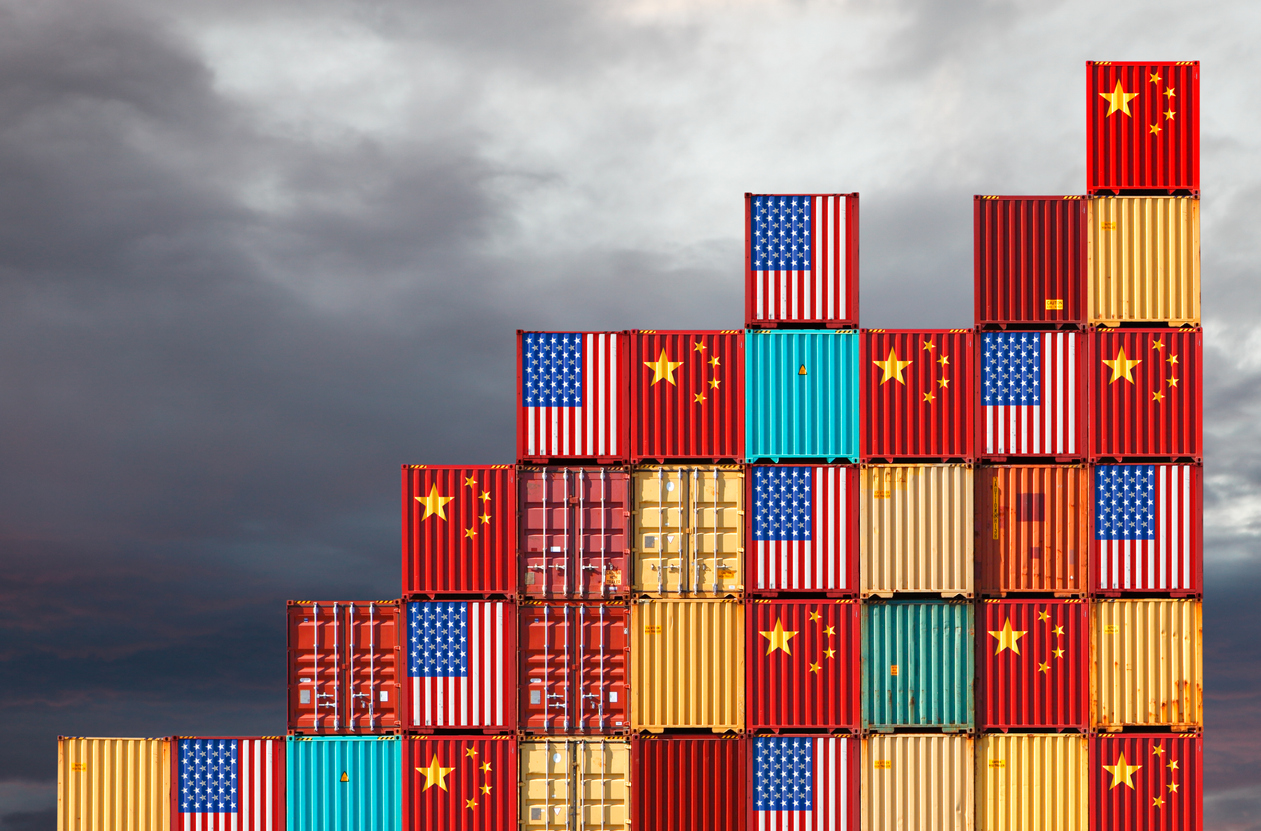
The United States faces a growing strategic challenge: China has emerged as the world’s dominant energy financier, outpacing the U.S. nearly ten-to-one in global markets and establishing itself as a primary partner in key nations like Brazil. This first-of-a-kind analysis of U.S. and Chinese energy finance shows that, since 2015, China has outpaced the U.S. by more than 100x in public energy finance in Brazil, $60B to $472M.
Global public investment follows a similar pattern, with China outstripping the U.S. $446 billion to $45 billion. As a primary strategic competitor, China’s financial initiatives lead to geopolitical gain and undermine U.S. interests. This is particularly true in critical countries like Brazil, the Western Hemisphere’s second-largest economy, where China has rapidly deepened its presence in Brazil’s energy sector.
This massive investment gap undermines U.S. interests and threatens U.S. geopolitical strength because:
- China has established itself as a dominant source of energy finance in South America and owns at least 12% of Brazil’s power system;
- China is in a better position to shape energy standards, dominate supply chains, and lock in long-term political and commercial influence in strategic regions; and
- Term sheets from official Chinese banks include clauses that indicate predatory lending practices that could isolate Brazil from other strategic financial partnerships.
China’s growing influence not only directly challenges U.S. strategic interests in a vital South American nation but also cedes immense economic opportunity for U.S. businesses in the continent’s largest market. Brazil is an important partner for the U.S. in the Western Hemisphere, and its rapidly growing domestic energy market is an export target for innovative American technology.
The authors of this report chose Brazil for this case study because it is the largest developing economy in the Western Hemisphere and a key energy partner for both the U.S. and China. Unfortunately, it is an example of a larger issue as the U.S. seeks to compete with China. This report outlines a clear roadmap of actions that can be taken to improve the situation.
Policy recommendations that expand global markets for U.S. businesses and strategically compete with China:
- Enhance the scale and strategic focus of the U.S. International Development Finance Corporation (DFC):
- A. Establish a revolving fund for equity investments to enable the DFC to pursue long-term investments that strengthen national security and support American supply chains.
- Allow the DFC more project-level flexibility to partner with a greater range of countries that align with national priorities.
- Strengthen the Export-Import Bank of the United States’ (EXIM) financing toolkit to reshore American manufacturing and supply chains:
- Raise the default rate cap to allow EXIM to pursue larger, American-made energy infrastructure projects, including advanced nuclear.
- Establish National Interests Accounts to focus EXIM’s investments on national strategic objectives.
- Promote strategic interagency coordination through an Energy Security Compacts (ESC) framework that:
- Creates long-term agreements with clear, measurable outcomes targeting energy security and infrastructure,
- Promotes coordination across federal authorities and multiplies capabilities at EXIM, DFC, the U.S. Trade and Development Agency (USTDA), the Millenium Challenge Corporation (MCC), and the Department of Energy (DOE), among others, and
- Develops bilateral partnerships that focus on joint security priorities and center on American foreign policy goals.
American companies are the strongest and most competitive in the world, yet the current policy paradigm limits their ability to reach new markets. Modernizing U.S. development finance institutions can catalyze American energy industries to compete and prevail against Chinese firms with cleaner, more reliable, and more affordable products and solutions. With an ambitious and coordinated approach, U.S. financing agencies should partner with innovative American companies to compete in new markets, bring home profits to American manufacturers, and ensure U.S. energy security.
By Will Bryant, Justin Williams, Casey Kelly, and Jacob Kincer
The views and opinions expressed are those of the author’s and do not necessarily reflect the official policy or position of C3.