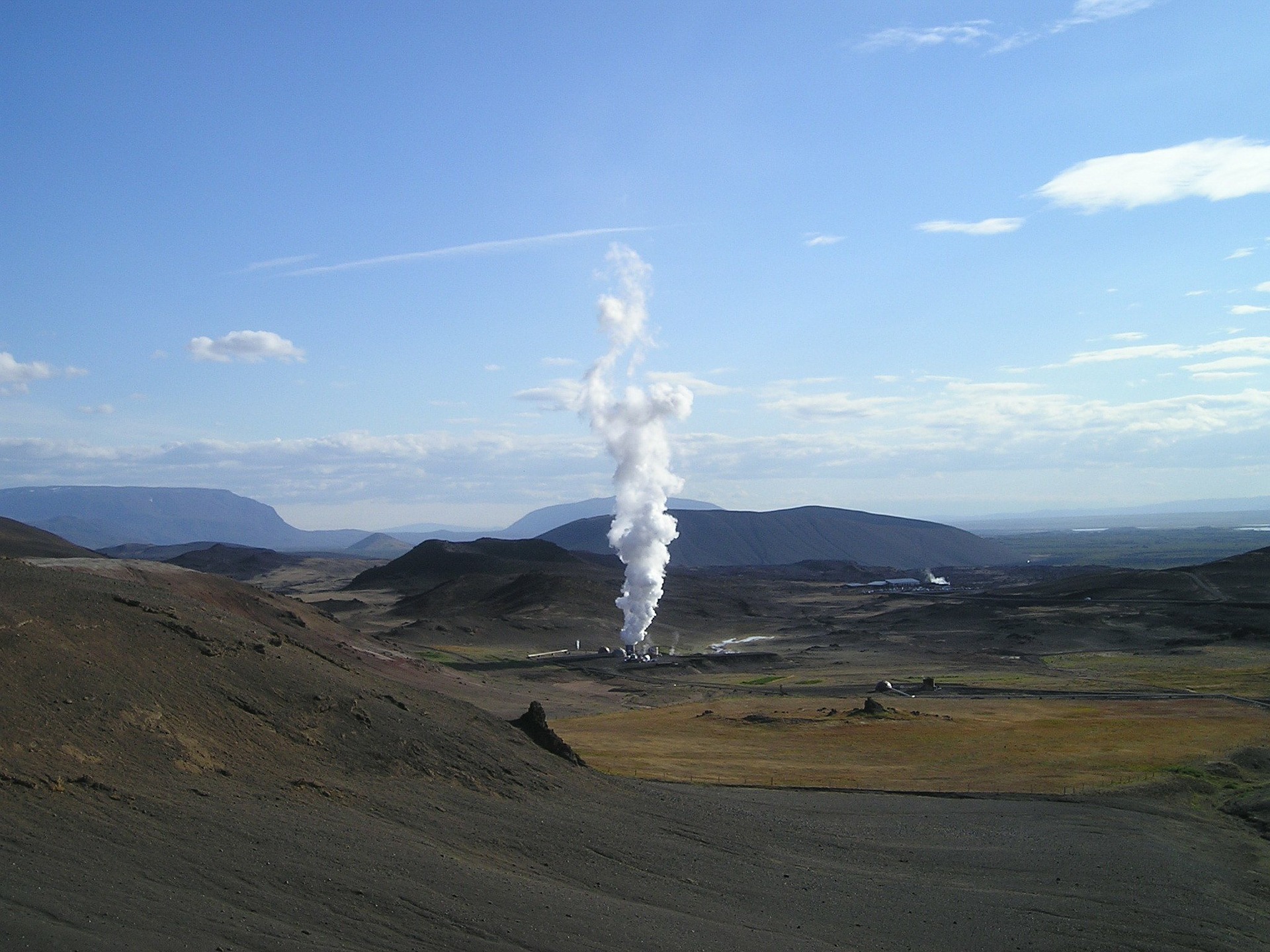
The Department of Energy’s Hydrocarbons and Geothermal Energy Office (HGEO) is allocating $14 million to fund field-testing of next-generation geothermal technologies. According to an announcement on April 14, the Pennsylvania-based enhanced geothermal systems (EGS) pilot project will reuse existing oil and gas infrastructure to test the potential of geothermal energy in the eastern U.S., where resources are less accessible due to the region’s unfavorable geology.
While thermal resources are abundant in the Appalachian region, they are significantly harder to access than on the West Coast of the United States due to the challenging geological conditions and tricky terrain. To address that gap, the administration is turning to EGS.
EGS is a method of geothermal energy extraction that involves drilling deep into hot rock and injecting water to create fractures. Unlike traditional geothermal, which requires naturally occurring heat, water, and permeable rock, EGS creates these conditions artificially, allowing it to be deployed in a much wider range of locations. This makes it viable in regions previously unsuitable for geothermal development, such as the eastern United States, where the geology lacks the shallow, hot, and porous rock formations characteristic of the West Coast. By injecting water into hot rock to increase permeability, EGS effectively replicates the conditions needed to harness geothermal energy. This location flexibility enables the system to be deployed nationwide, thereby increasing overall geothermal energy generation.
EGS is also associated with little to no carbon emissions. According to the DOE, most geothermal energy facilities use closed-loop binary cycle systems which primarily release water vapor that is used for cooling as their only greenhouse gas.
“The Department of Energy’s investments in enhanced geothermal systems represent a key advancement in our national energy strategy as we explore innovative ways to reach and use geothermal resources beyond what is currently possible,” Kyle Haustveit, Assistant Secretary of the Hydrocarbons and Geothermal Energy Office, said in the announcement. “As the first enhanced geothermal systems demonstration site located in the eastern United States, this project offers an important opportunity to assess the ability of such systems to deliver reliable, affordable geothermal electricity to Americans nationwide.”
Support for renewable energy sources is accelerating as the war in Iran highlights the need to achieve a secure, diversified domestic energy supply. Data from the Center for Research on Energy and Clear Air reveals how global fossil fuel-based power generation fell in the first month of the war, with renewable sources like solar and wind filling in and helping to offset the decline.
With over one-fifth of global oil and natural gas exports disrupted due to the conflict, investment in renewables is shifting from a matter of sound climate policy to a critical security imperative. Investors are increasingly viewing renewables as a hedge against unpredictable supply disruptions, and the administration is too.
The views and opinions expressed are those of the author’s and do not necessarily reflect the official policy or position of C3.