What if economic development and environmental conservation could share common ground? Well, that is exactly what RESOLVE has set out to do. A nonprofit organization focused on environmental conservation, RESOLVE seeks to solve problems through collaboration among governments, companies, scientists, local communities, and NGOs. Their approach is rooted in creating partnerships where cooperation may seem unlikely but is most needed.
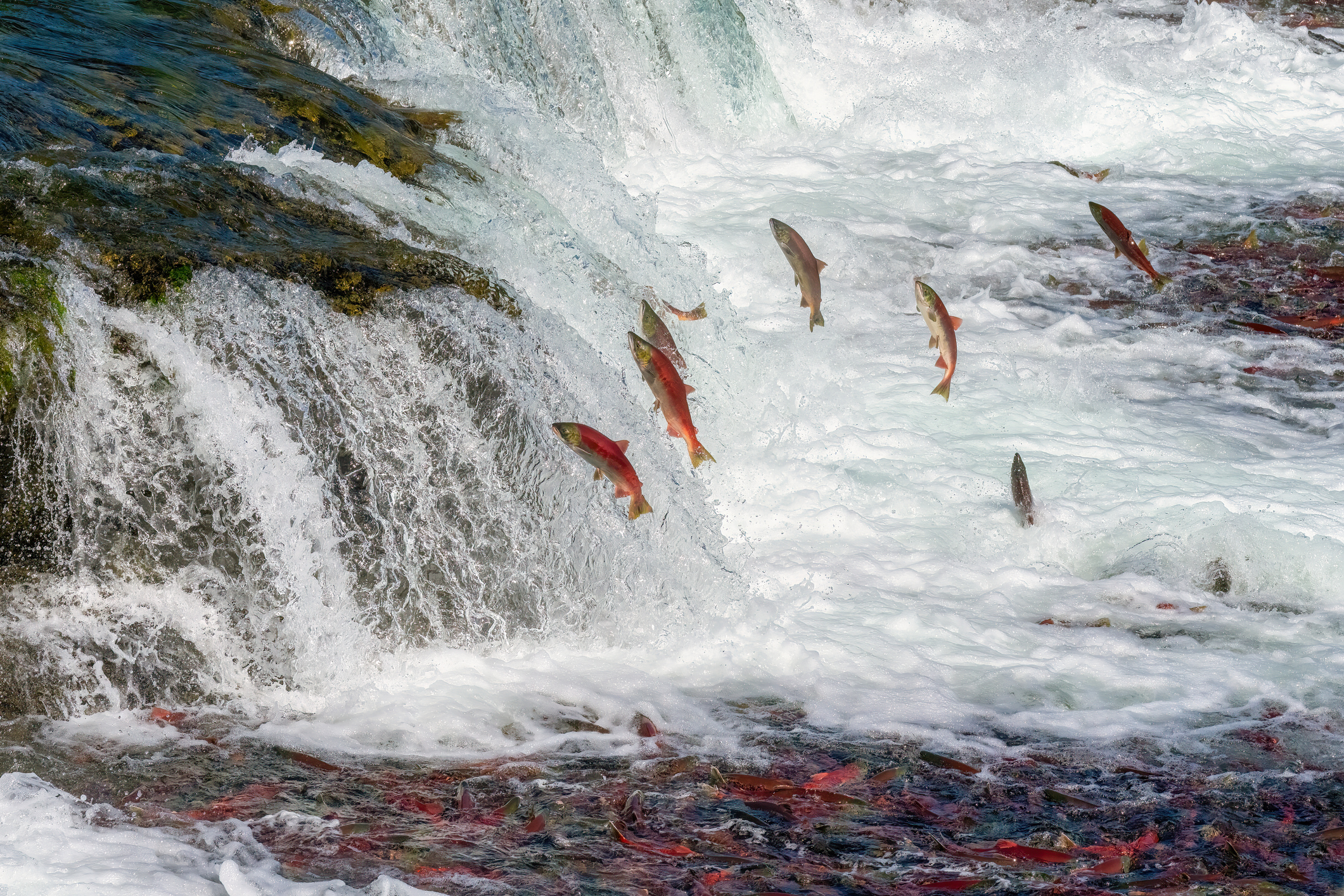
Take, for example, Salmon Gold, a project undertaken by a RESOLVE initiative known as Regeneration. The project focuses on restoring key waterways for anadromous fish species (fish that move upstream to spawn in rivers) while enabling access to critical minerals. Critical minerals are the building blocks essential to modern technology and clean energy. According to a 2025 Colorado School of Mines study, the United States could meet its critical minerals needs by recovering them from the waste of existing mines. However, these waste products, also known as tailings, can disrupt habitat for various fish species, preventing migration and spawning. Recognizing the intersection of these two issues, RESOLVE has partnered with mining companies and conservationists to find a solution.
The process begins by identifying sites that are already on the company’s portfolio and are recognized by governments as needing improved management. Once sites are identified, RESOLVE works with local communities to create a plan for reextraction and subsequent restoration. Using new technologies, RESOLVE safely extracts the tailings and supplies them to where they are needed the most: clean energy and sustainable brands. After the minerals are extracted, RESOLVE restores local waterways using innovative practices. These practices include stabilizing the waterway with rocks and creating additional pools with species-specific vegetation to promote spawning. In the six years since they started the project, RESOLVE has been able to restore 44 acres of habitat, including 11 acres in 2025 alone.
They have also been able to create sustainable products for consumers. A notable brand partnership for the project is Mejuri. Mejuri is a company that creates handcrafted jewelry. Working closely with RESOLVE and funding many of the projects, Mejuri developed a jewelry line with 100 percent of the gold collected from the Salmon Gold sites. Currently, the project spans across Alaska, the Yukon Territory, and British Columbia, focusing primarily on gold extraction but is hoping to expand into critical minerals.
These critical collaborations were supported by policy changes that made restoration efforts easier to pursue. In 2024, Congress passed the Good Samaritan Remediation of Abandoned Hardrock Mines Act. The Act enabled Good Samaritans- individuals who 1) have not and do not currently own an abandoned site, 2) have not contributed to the production of tailings, and 3) are not liable for the treatment of tailings- to help with the remediation of these abandoned sites. Critically, the bill removed liability barriers that previously held back these voluntary efforts. RESOLVE has played a significant role in the implementation of the Act, so far publishing two white papers, in collaboration with ConservAmerica, offering policy guidance, tools, and recommendations. As projects begin to expand, RESOLVE looks to provide further assistance with information on innovative technology and upscaling for these projects.
>>>READ: How Conservation Can Improve Global Security
Salmon Gold and its policy campaign are just one of many of RESOLVE’s dedicated projects. Their other projects include collaborative initiatives such as the Collaborative Ocean Stewardship and the Missouri River Recovery Committee, as well as technological innovations like TrailGuard AI. The Collaborative Ocean Stewardship focuses on working with stakeholders on developing transparency around Deep Seabed Mining (DSM) and exploring its economic benefits while considering environmental protection. The Missouri River Recovery Implementation Committee functions similarly. It brings together a diverse array of stakeholders from tribes to state agencies to help guide policies surrounding the river’s management. Both initiatives focus on building relationships between stakeholders, where RESOLVE serves as a mediator for critical conversations. Meanwhile, TrailGuard AI demonstrates action in a more tangible fashion. It’s a groundbreaking, AI-powered camera-based alert system developed by RESOLVE that monitors threats to wildlife and communities. Together, these projects demonstrate RESOLVE’s emphasis on pairing technological innovation with stakeholder collaboration to address complex environmental challenges.
As climate and environmental challenges progress, collaboration is needed now more than ever. It is essential that others not only join the conversation but move it forward. Projects like Salmon Gold demonstrate that a common ground between economic development and environmental conservation does in fact exist. By removing unnecessary barriers and enabling voluntary partnerships, policymakers can help scale these solutions that benefit both.
Ann Joseph is a Zoology student at Michigan State University and an intern for C3 Solutions, focusing on conservation and agriculture.
The views and opinions expressed are those of the author’s and do not necessarily reflect the official policy or position of C3.