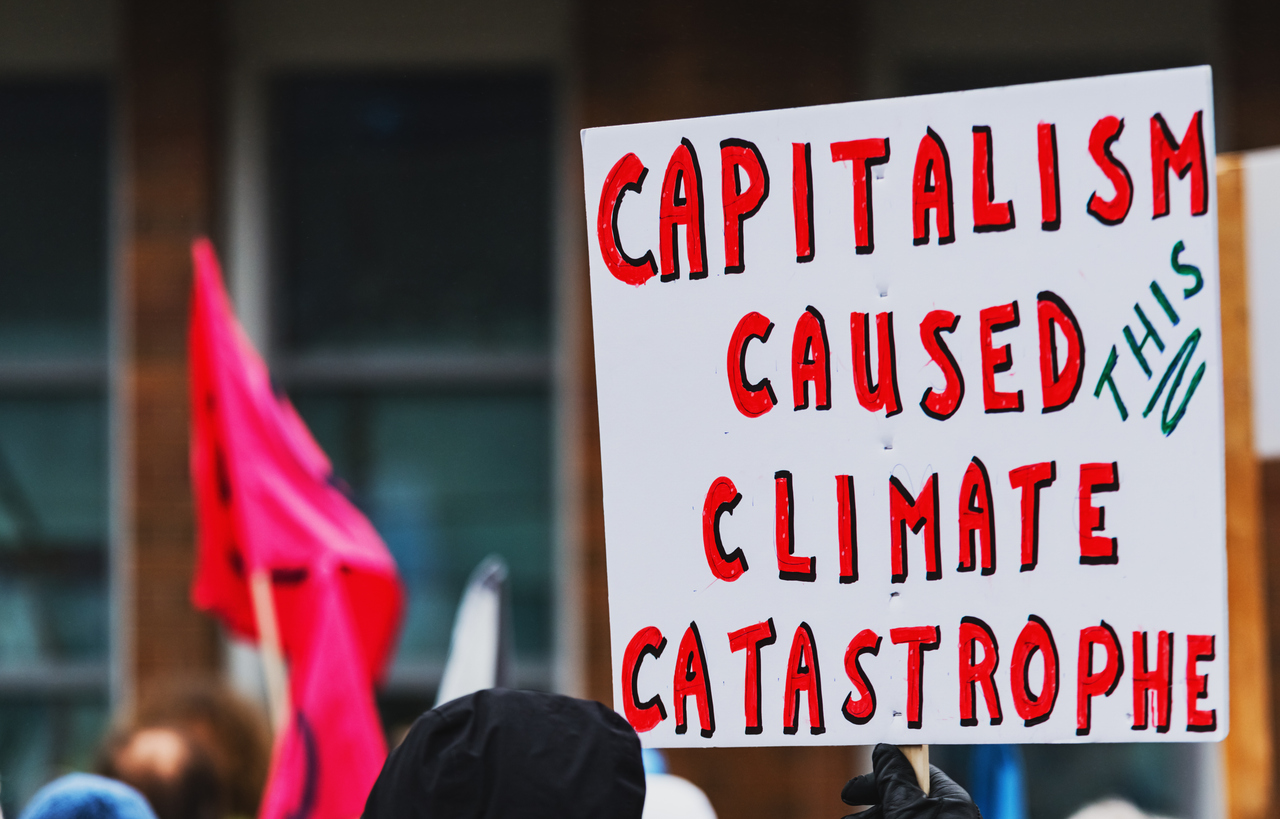
An alliance of more than 200 environmental organizations is demanding a national moratorium on the construction of new data centers, escalating opposition to an industry that has become central to the rapid expansion of artificial intelligence and cloud computing.
In a letter to Congress, the coalition described data centers as a “well-established” and “massive” environmental threat, citing rising energy demand, water consumption and fossil fuel pollution. The groups — which include Friends of the Earth U.S., Greenpeace USA and the U.S. Climate Action Network — warned that the facilities pose “one of the biggest environmental and social threats of our generation.”
“This expansion is rapidly increasing demand for energy, driving more fossil fuel pollution, straining water resources and raising electricity prices across the country,” the letter said. It also argued that artificial intelligence is already contributing to job losses, social instability and economic concentration.
The call for a moratorium comes as companies race to lock in sites and permits before states impose new regulations that could slow development.
Data center opposition efforts often focus narrowly on local impacts while overlooking national economic and strategic considerations. Data centers underpin cloud computing, artificial intelligence, financial systems and government operations, including defense and cybersecurity. Restricting domestic construction could push companies to build abroad, increasing reliance on foreign infrastructure and weakening U.S competitiveness.
Additionally, data centers typically sign long-term power purchase agreements, locking in funding for new generation capacity. Halting projects could delay investment in cleaner, more reliable energy sources and leave aging infrastructure in place longer.
A national moratorium on data center construction would also discourage technological growth and improvement, removing incentives for companies to invest in more efficient designs. Pricing, innovation, and private-sector solutions are often better tools than bans and blanket opposition.
Yet, public backlash against AI-driven data centers is growing nationwide. In Palm Beach County, Fla., dozens of homeowners recently objected to Project Tango, a controversial 2,020-acre data center campus approved by the county zoning commission. Residents cited concerns about noise, traffic, water usage and the scale of the development.
Similar opposition has emerged in Missouri, where residents lobbied against an Amazon data center. “When it gets to be 110 degrees in the summertime around here, they’re going to suck a lot of water, a lot of electricity,” said Bill Dreyer, a local resident, in comments reported by an ABC News affiliate. “It will affect our own land values, our own taxes and the potential of future generations of farmers here.”
A recent report estimates that roughly $64 billion in U.S. data center projects have been blocked or delayed, highlighting the growing effectiveness of opposition campaigns.
The industry’s expansion has drawn comparisons to a modern-day oil boom, with companies competing for land, power and market dominance.
If current trends continue, spending on new data centers could soon exceed spending on new office construction in the United States, according to Bloomberg economist Alex Tanzi.
BloombergNEF estimates that power demand from U.S. data centers could rise by more than one-third over the next decade, driven by a surge of new construction. An analysis of state permitting data and public statements and filings by technology companies shows that at least 500 data centers—with a combined capacity of roughly 125 gigawatts—are moving forward. (A single gigawatt is roughly the output of a nuclear reactor and can power about 750,000 homes.)
The alliance of environmental groups warns that continued expansion would raise electricity costs; consume as much power as 30 million households; require as much water as more than 18 million homes use annually, simply to cool computer servers; and accelerate AI development in ways that could eliminate half of all entry-level white-collar jobs, pushing unemployment as high as 20 percent.
“The rapid, largely unregulated rise of data centers to fuel the AI and crypto frenzy is disrupting communities across the country and threatening Americans’ economic, environmental, climate and water security,” the group wrote.
“We urge you to join our call for a national moratorium on new data centers until adequate regulations can be enacted to fully protect our communities, our families, our environment and our health from the runaway damage this industry is already inflicting,” they told Congress.
The rapid growth of data centers raises real challenges around energy use, water management, and community impacts, and those issues merit thoughtful oversight rather than dismissal. But freezing development nationwide would trade targeted solutions for a sweeping ban, undermining innovation and investment at a moment when digital infrastructure is increasingly central to economic growth and national security.
The views and opinions expressed are those of the author’s and do not necessarily reflect the official policy or position of C3.