While it still seems to be a long way off, Iran and Trump seem to be considering the conditions they need to make peace. As I’ve noted in past Low-Energy Fridays, peace is better for the economy than war, which destroys productive resources and erodes investor confidence. But we must also understand that the way in which this peace is achieved may impact energy markets in the long term. While any peace is generally better economically than the status quo, risks caused by the war may remain even after a deal is made.
Saudi Aramco boss pulls out of major international energy conference due to Iran conflict, source says
Read more in CNBC here.
America Helped Build China’s Rare Earth Monopoly
China’s monopoly on rare earth elements is not accidental. The United States, once the world leader in rare earth element production, helped create its own decline as environmental regulations and shifting industrial economics pushed production capacity offshore, allowing an increasingly adversarial nation to gain leverage over materials essential to defense systems and advanced technologies. Reasserting U.S. independence will require rebuilding our domestic supply chain and renewed coordination between government and industry.
U.S. Natural Gas Is Essential To Affordable and Lower-Emission Energy
America's energy future is often framed as a binary choice between fossil fuels and a clean energy transition. But that framing is misleading, and acting on it could worsen both our energy bills and our climate outcomes. Domestic oil and gas production remains critical to energy affordability, grid reliability, and even near-term emissions reductions.
American gas bounty shielding consumers from war spikes, for now
“Experts are debating to what degree there is enough gas to satisfy both surging exports and rising power demand from data centers in the coming couple of years.” Read more in Axios here.
Harvest Deep-Sea Minerals to Combat China
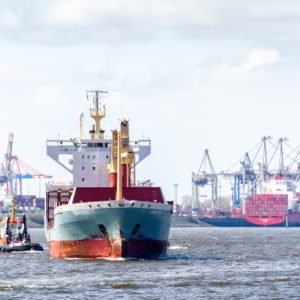
Harvesting from the sea floor is the most environmentally sustainable way to obtain the minerals we need. These nodules can be harvested using specialized, deep-sea vessels. Seabed nodules sit exposed on the ocean floor, allowing collection without significant disruption.
Gasoline-Starved California Is Turning to Fuel From the Bahamas
Read more in Yahoo! Finance here.
US issues license facilitating oil, gas exploration and production in Venezuela
Reuters’ Marianna Parraga reports that the Treasury Department has issued a new general license clearing the way for U.S. companies to provide equipment, technology, and services for oil and gas exploration and production in Venezuela. Read more in Reuters here.