Getting climate, energy & environment news right.

Here’s how a former NASA engineer hopes to clean up the world’s dirtiest waterways
Post

Here’s how a former NASA engineer hopes to clean up the world’s dirtiest waterways

Breanne Deppisch of The Washington Examiner reports on the work of one former NASA engineer to clean up dirty waterways. buy bactroban online bactroban no prescription “‘The SPEARS work like a sponge,’ Albino explained in an interview with NASA after he founded the company. ‘Individual spikes are inserted into a mat structure, and you press...

Alaska’s newest gold rush: Seaweed
Post

Alaska’s newest gold rush: Seaweed

"Alaska has already attracted large operators. Seagrove Kelp now ranks as the country’s largest active seaweed farm. There are nearly a dozen other applications pending for kelp farms of at least 100 acres submitted by a mix of Alaskan, out-of-state and overseas players."

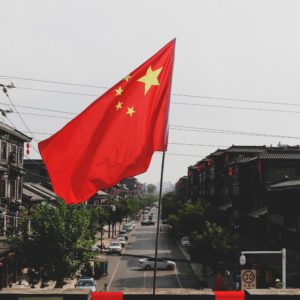
Is China really leading the clean energy revolution? Not exactly
Post

Is China really leading the clean energy revolution? Not exactly

"Scratching through the big numbers, two issues deserve the world’s deeper understanding. The first is that China’s successful clean technology campaign has more to do with its economic strategy than its climate commitments. The second is that, alongside its impressive achievements in renewable energy, China is also one of the world’s biggest polluters. Neither is likely to change imminently."

Why Kenya could take the lead in carbon removal
Post

Why Kenya could take the lead in carbon removal

"Because the earth’s crust is thinner than usual along the rift, it has vast geothermal potential. The American government reckons Kenya alone could generate 10,000mw of geothermal power, more than ten times the amount it currently produces. A by-product of such power stations is plenty of waste steam, which can then be used to heat dac machines. Moreover, since close to 90% of Kenya’s power is renewable, the electricity these machines consume does not contribute to more global warming."

Cities Must Be Redesigned for a Future of Extreme Heat
Post

Cities Must Be Redesigned for a Future of Extreme Heat

"By 2050, almost 70% of the world’s population will live in cities — and nearly 1,000 cities will see their average high temperatures reach or surpass 35C during summer months. That’s triple the number of cities experiencing those kinds of temperatures today, and alarming evidence of extreme heat’s growing impact on the viability of urban areas."

Thank you for signing up

Help us promote sensible solutions for both planet and prosperity.

Subscribe to our exclusive email designed for conservatives who care about climate.

Help us promote free market solutions for climate change.

5 Incredible Ways Economic Freedom Helps the Planet.

Sign up for our newsletter now to get the full list right in your inbox.

Download Now