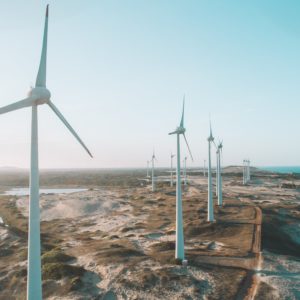
"The 203 foot (62 m) blade uses thermoplastic resin from Arkema and glass fabrics, from Owens Corning, partner companies in the ZEBRA project. By combining the two, the project claims to achieve the performance levels of a regular wind turbine with the added benefit of being recycled at the end of its lifetime."
How Nature Can Help Make Our Cities More Resilient To Flooding
"In Auckland, half of the area studied by Arup was made up of green and blue spaces, which helped it achieve its high sponge rating. The only city snapshot to contain a greater proportion of green and blue spaces was Nairobi (52%), however Auckland’s more permeable soil helped to give it a higher overall 'sponginess.'"
This Norwegian start-up makes carbon-negative roads
"The process starts with recycling. Instead of trucking in new materials when a damaged stretch of asphalt needs repair, the company uses a machine that grinds up the top layer of the existing road. The equipment can also be used with concrete, another high-carbon material, as long as the concrete isn’t reinforced with steel. Then, the company uses lignin—a material in plants that’s a major byproduct of the paper industry—to glue the crushed material together."
A nuclear fusion device pushes plasma to a record-breaking 100 million degrees
"For years, companies have been trying to harness this process to provide practically limitless sustainable energy here on Earth. Now, Tokamak Energy says it has brought us one crucial step closer to achieving this goal."
Decarbonizing Cement: An Interview With Brimstone Co-Founder Hugo Leandri
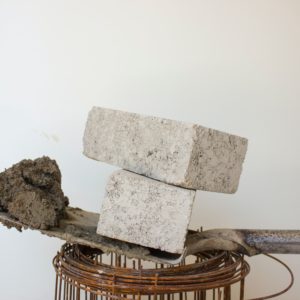
"We set ourselves apart from other companies because our proprietary process produces a cost-parity product which is identical in every way to conventionally produced Portland cement and we do not rely on costly carbon capture and sequestration."
Seatrec’s self-replenishing batteries could make ocean research cheaper
"Right now, the operational range for Seatrec’s batteries is limited to the two-thirds of the ocean that experience a temperature difference of 5-10 degrees Celsius between its surface and its depths. That excludes most of the Arctic and Antarctic, as the water is always cold from top to bottom."
Converting plastic waste into porous carbon for capturing carbon dioxide
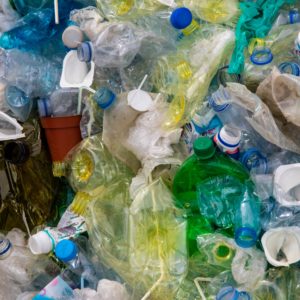
"Besides climate change, which is mostly the result of our carbon dioxide (CO2) emissions, plastic pollution stands as one of the most critical environmental concerns of this decade. The sheer quantity of discarded and misplaced plastic is dealing irreparable damage to Earth's ecosystems, affecting our crops and contaminating our water supplies. If we are to transition into truly sustainable societies, we need to find efficient ways to repurpose discarded plastics."
Can Ubiquitous Energy dramatically decrease our commercial carbon footprint?
Ubiquitous Energy specializes in creating fully transparent photovoltaic glass films for windows.
The startup Twelve is brilliantly transforming carbon pollution into jet fuel and plastics
Adele Peters of FastCompany reports on Twelve, a sustainable carbon capture startup. online pharmacy buy champix no prescription with best prices today in the USA online pharmacy order desyrel without prescription with best prices today in the USA online pharmacy furosemide for sale no prescription online pharmacy order prednisone without prescription with best prices today...
Artificial intelligence helps grow algae for producing clean biofuel
"In spite of all the obstacles in front of the commercialization of algae, this technique appears cost-effective and helps the advancement of algae as a viable alternative energy source. Plus, Yuan believes that sustainable algal biofuels will be able to decrease carbon emissions, alleviate climate change, ease petroleum dependency and transform the bio-economy with the overcoming of these obstacles."