Innovative solutions like the platform developed by Perimeter are needed to prevent as much loss of life as possible.

Innovative solutions like the platform developed by Perimeter are needed to prevent as much loss of life as possible.

"Graphyte is in the process of building its first plant in Pine Bluff, Arkansas, near local timber and rice mills that could serve as biomass sources, according to Rogers. It’s also in the process of signing customer offtake agreements, or a contractual commitment to buy carbon removal services at a predetermined price upon delivery. The first carbon blocks are expected to be produced by January 2024. The startup projects the project will have the capacity to remove 5,000 tons of CO2 per year by the end of 2023 and 50,000 by July of 2024."

"Insect start-ups hope large facilities will help them get their foot in the door with big buyers in the market for fish and livestock feed, pet food and fertilizer. 'If you are just [producing] a few tons or tens of tons you don’t exist,' said Antoine Hubert, co-founder of Ynsect,a French start-up that specializes in mealworms. 'This is why we have to design something pretty massive, because you need thousands of tons if not tens of thousands of tons to exist for a single buyer.'"

"Arzeda, which raised a $33 million Series B round of venture funding in March 2022, doesn’t just help companies with discovery. It’s also a co-development partner. It has already worked with Unilever to design, engineer and test the enzymes in real-world testing quantities. The next step will be to scale production of the enzymes and help commercialize them. 'We are getting better and better at the design with every undertaking,' said Arzeda CEO Alexandre Zanghellini."
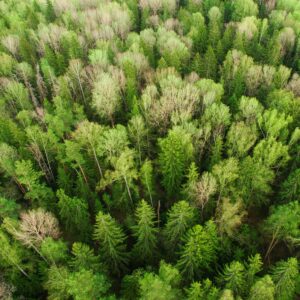
"Restoring global forests where they occur naturally could potentially capture an additional 226 gigatons of planet-warming carbon, equivalent to about a third of the amount that humans have released since the beginning of the Industrial Era, according to a new study published on Monday in the journal Nature."

"The Energy Department anticipates that new supercritical carbon dioxide turbines can shave energy consumption at power plants by 10%, but that’s just for starters. They have a much smaller footprint than their steam-driven cousins, resulting in manufacturing efficiencies all along the supply chain."
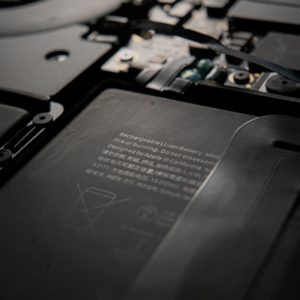
"The partnership brings together Glatfelter’s expertise in developing innovative and sustainable non-woven solutions with Safire Group’s revolutionary shear-thickening battery technology to offer customers safer, higher performing Li-ion powered systems."
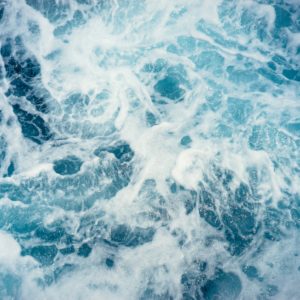
"The abundant seawater surrounding Guam provides an enticing energy source: hydrogen. Through a process called electrolysis, energy from electricity splits water into hydrogen and oxygen. This generates a fuel that can also be stored and used when renewable electricity is not available."

"There’s never been a better time to work in our industry, and I’m excited about the possibilities that await us as craftsmen in the years ahead. However, we also face some critical challenges – helping the general public gain a greater understanding of what we do, maintaining their trust by ensuring that low-carbon concrete works in the real world as well as it does in the lab, maintaining our independence and ability to prescribe the right product for each job and protecting the market ecosystem that helps our industry contribute to this economic transition are all big tasks."
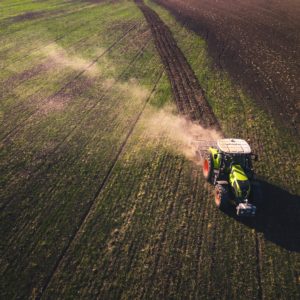
Talus offers a sustainable, low-cost ammonia alternative that will save farmers money and help the agricultural industry reduce its emissions.