"Batteries have three major components: two electrodes (an anode and a cathode) and an electrolyte that helps shuttle the charge between them. The materials used to make those components determine how much energy batteries store and at what cost."
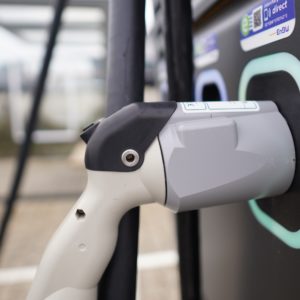
"Batteries have three major components: two electrodes (an anode and a cathode) and an electrolyte that helps shuttle the charge between them. The materials used to make those components determine how much energy batteries store and at what cost."
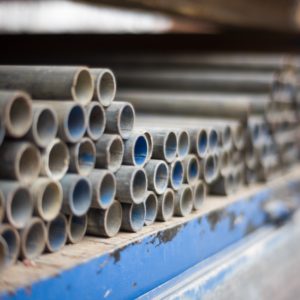
"D-CRBN, an Antwerp-based company, has developed a technology that uses plasma to convert carbon dioxide into carbon monoxide. Using renewable electricity, the plasma is used to break the carbon-oxygen bond, thereby converting CO2 into carbon monoxide. The carbon monoxide can be used as a reductant in the steelmaking process - replacing part of the coke or metallurgical coal used in the blast furnace - or as a basic ingredient in Gent's Steelanol plant, for chemicals or alternative fuel production."

By leveraging the carbon-consuming properties of algae, researchers have devised a method to optimize this natural process through human engineering, offering a more sustainable pathway for algaculture.

"The company attributed the emissions spike to an increase in data center energy consumption and supply chain emissions driven by rapid advancements in and demand for artificial intelligence. The report noted that the company’s total data center electricity consumption grew 17% in 2023."

"Air conditioning, where affordable, is part of the answer. If powered by renewable energy, it is not bad for the climate, and it can save lives. A study in the Lancet concluded that there were 345,000 heat-related deaths worldwide in 2019 among the over-65s, and that the toll would have been 50% higher without air conditioning. So environmentalists are wrong to shun this wonderful technology. Since the organisers of the Paris Olympics decided not to install air conditioners in athletes’ quarters, many teams will simply bring their own."

"The lines are designed to transport five to 10 times the amount of power of conventional transmission lines, using essentially the same footprint and voltage level. That will be key to helping them overcome the regulatory hurdles and community opposition that has made increasing transmission capacity nearly impossible across large swaths of the globe, particularly in America and Europe, where new power distribution systems play a vital role in the shift to renewable energy and the resilience of the grid."
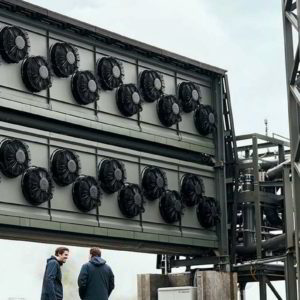
"The humid climate is also a boon for Heirloom’s technology, which relies on heating limestone to remove CO2, according to Alexa Dennett, Heirloom’s head of marketing and communications. The smaller-scale plant will allow the company to test the kilns it uses as part of its system, Dennett added."
"Vesta said its work in North Carolina will remove about 6,000 metric tons of carbon over several years. Its sand mixture acts like an antacid, boosting water’s alkalinity and its ability to absorb more carbon. The company previously conducted what it said was promising research in the Dominican Republic but decided other sites would be better for initial deployments. It then ran a successful small-scale test in New York."
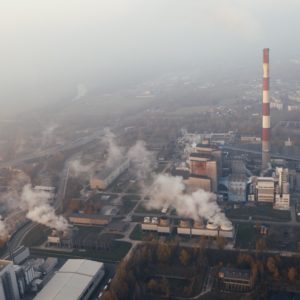
"'The process produces ammonia from ambient temperature and pressure using wave chemistry and plasma. The integration of the A-Box and WhiteBox enables the desulphurization of energy transition metals like copper and nickel, without the need for water or limestone, and the resulting 'waste stream' from the process is then converted into fertilizer,' he said."
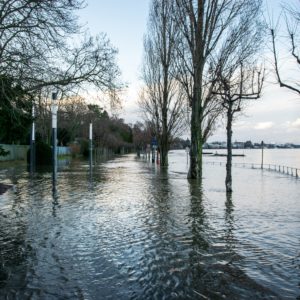
"GiveDirectly also piloted the idea in Mozambique last year, giving families $225 three or four days before a flood. 'Some families used [the cash] to purchase essential supplies like food and medicine,' Lummis says. 'Some people relocated to safer areas. In some cases, people immediately started to make reinforcements to their homes, building stronger structures. Some people spent the cash immediately after to reinvest in businesses or buy seeds to replant because their crops had been destroyed.'"