Last month, EPA Administrator Lee Zeldin announced a proposed rule to overturn the 2009 endangerment finding. The finding, which declared greenhouse gases a threat to public health and welfare, provided the legal backbone for the federal government to regulate carbon dioxide from cars, trucks, power plants, manufacturing facilities, and more.

Conservation Victory: Feds to Restore Targeted, Science-Based Endangered Species Policy
In a major win for wildlife conservation, the U.S. Fish and Wildlife Service today announced it will pause use of the controversial “blanket 4(d) rule” and initiate steps to rescind it over the next 14 months—a key objective of a lawsuit filed last year by the Property and Environment Research Center (PERC) and the Rocky...
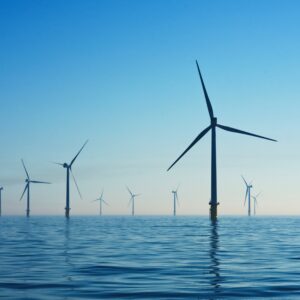
Trump administration halts work on New England offshore wind project
The Interior Department on Friday halted construction on Ørsted’s Revolution Wind project off Rhode Island’s coast. Why it matters: It’s another sign of the Trump administration’s hostility to offshore wind and comes after it issued — then lifted — a stop-work order on a major wind project under construction off New York’s coast. Driving the news: Interior’s Bureau of Ocean Energy Management issued...
How Heartland Farmers Are Reimagining Agriculture
A new model of agriculture: one where profitability and environmental health aren’t tradeoffs but twin outcomes of smart innovation.
Maryland’s energy price explosion
In July, my electric bill crossed a number I never thought I’d see: over $500. Yes, it was a brutally hot month, but we’ve had very hot summers before in the Maryland suburbs of Washington, D.C. We’ve run the air conditioning nonstop before and never reached even $400. What’s going on? A few things. Let’s start with...
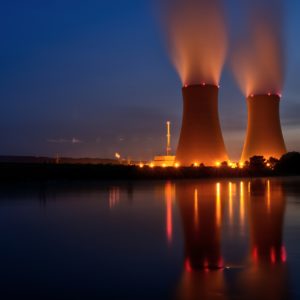
Could AI Make Nuclear Permitting Faster?
Implementing artificial intelligence may help make nuclear permitting faster, even with existing bureaucratic hurdles.
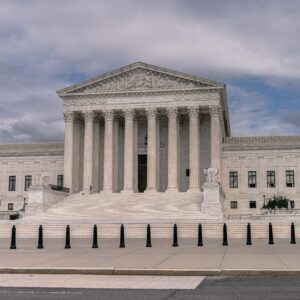
FERC Must Seize the Supreme Court’s Energy Opportunity
President Trump’s nomination of attorney Laura Swett to the Federal Energy Regulatory Commission comes at a pivotal moment for American energy and technology. The promise of artificial intelligence presents incredible economic opportunity but also brings new challenges for energy and national security. Fortunately, the Supreme Court’s unanimous decision in Seven County Infrastructure Coalition v. Eagle County has tilted the...
As energy costs rise, staying cool a growing challenge for low-income Americans
Angela Harmon and her grandson Leo headed out on a hot day in Dallas, Texas, to a neighborhood store that is run by their church. It’s where they keep cool because running Harmon’s air conditioner at home is more than she can afford. “It’s costly, it’s expensive, and I have to juggle to pay it,” Harmon...
The Case for Easing Regulations on Electricity Generation
Power demand is surging. New data centers, factories and the electrification of the economy propel a thirst for electricity not seen in decades. Markets are responding but state and local governments have largely been caught off guard. The state blueprint for power demand largely boils down to three approaches: reducing permitting and siting barriers, unleashing...
Researchers Achieve Major Breakthrough in Performance of Aqueous Battery Systems
Conventional lithium–ion batteries are used in cell phones, laptops, and electric vehicles. With rising energy needs and critical minerals mining being highly resource-intensive, innovative companies are looking for environmentally friendly ways to meet our future battery needs.. Aqueous batteries, which use water-based electrolytes instead of organic solvents, offer an innovative and sustainable alternative to traditional...