Last year, in one of his first actions on inauguration day, President Donald Trump signed an executive order directing federal agencies to stop using the social cost of carbon (SCC) when weighing the costs and benefits of regulations. The decision prompted predictable outrage from many environmental activists, climate scientists, and economists, who argued that abandoning the SCC would strip climate regulations of their scientific grounding.
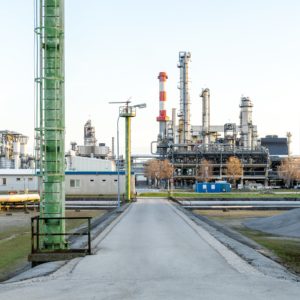
AI can lower energy bills with data centers that power themselves
Artificial intelligence may be the future, but the public isn’t convinced it’s the future they want.
Even as companies, investors, and the federal government invest heavily in this transformative technology, the American people remain skeptical. A third of Americans are concerned about AI, nearly half think AI will cause “significant job losses,” and less than half think the government will regulate AI well.
Report: Illinois is 5 years away from an energy shortage, higher bills
A new report says Illinois is facing an energy shortage within the next five years, as artificial intelligence datacenters demand more electricity, which could lead to higher utility bills for state residents. The 2025 Resource Adequacy Study from the Illinois Power Agency, the Illinois Commerce Commission, and the Illinois Environmental Protection Agency evaluated whether the state’s power...
Energy secretary predicts that electricity prices will stop rising ‘very soon’
Energy Secretary Chris Wright expressed optimism that electricity prices will eventually come down. “Very soon, you’ll see a stop of the rise of electricity prices. And with the continuation of [the Trump administration’s] policies of energy addition, you will see declines in electricity prices later this term,” Wright told host Jacqui Heinrich on “Fox News...
Democrats Tout Affordability, But Their Policies Are Raising Prices
Democrats are desperate to make the 2026 midterm elections about affordability, buoyed by their November victories, enthusiasm for their so-called Abundance Agenda, and polling showing President Donald Trump losing support on the economy.
Bezos Earth Fund boosts marine conservation with $24.5 million
The world’s biggest climate philanthropy has given $24.5 million to protect coastal ecosystems as part of a plan to create the planet’s first cross-border marine biosphere reserve, its head of nature told Reuters. The four grants from the Bezos Earth Fund are intended to help local communities and organisations protect key marine areas in Costa...
Stocks whipsaw as AI bubble fears, Fed uncertainty rattle Wall Street
Sharp swings in financial markets have left investors reeling in recent weeks, as questions about a potential artificial intelligence (AI) bubble collide with uncertainty surrounding the Federal Reserve’s next interest rate decision. The AI trade has been booming for nearly three years since the release of ChatGPT, but some are beginning to wonder how long this can last before shareholders get antsy for returns on firms’ massive multibillion-dollar investments. Read more in The Hill here.
Gas prices drop below $3 per gallon, lowest since 2021
Gas prices have dropped below $3 a gallon to their lowest level in more than four years. The national average for regular fell to $2.95 on Friday, the cheapest price at the pump since May 2021, according to GasBuddy. Read more in The Hill here.
Thanksgiving Prices Fall Because the Green Agenda Lost
Thanksgiving 2025 brings something America hasn’t seen much of in recent years: lower prices. According to the American Farm Bureau Federation, the cost of a classic Thanksgiving dinner for ten people dropped about 5% this year, landing at $55.18. After years of grocery-store sticker shock, that’s welcome relief. And it stands in sharp contrast to 2022, when...
Study Brings Light to Heated Discussion over Rising Electricity Bills
A lot of attention has been paid to the role of growing electricity use by data centers; however, most commentary has proceeded without much in the way of thoughtful analysis. A study on drivers of state-level trends in U.S. retail electricity prices from the Lawrence Berkeley National Lab begins to fill the gap.