"For temperatures of up to 200°C, the technology attracting most attention is not the electric kettle but the industrial heat pump. Heat pumps, like refrigerators, move heat from one place to another. In a fridge the heat is removed from the inside (keeping the contents cooler) and dumped outside (making the kitchen a little warmer). Heat pumps, which are becoming increasingly common for domestic heating, take heat from outside and move it inside. Because the amount of energy needed to move heat this way is lower than the amount needed to heat things up directly, this can lead to big energy savings. And as the technology improves and sales increase, prices are falling."
Wyoming Hits the Rare-Earth Mother Lode
"Smart resource regulation is of course necessary, but we know more today than we ever have about how to protect the environment while powering a diverse economy. If the U.S. refuses to press its natural advantages, it will cede global leadership to China."
Wall Street warms to climate tech
"Last April, the private equity giant Apollo became one of the first mainstream investment firms to take an interest in helping climate tech firms navigate the valley of death. That term refers to the phase in an industrial technology company’s development when it needs more money than venture capitalists can offer to reach commercial scale, but it remains too speculative for a bank loan. (Climate software startups, which don’t need to build massive infrastructure projects to scale up, don’t face the same funding challenges.)"
This ancient material is displacing plastics and creating a billion-dollar industry
"Part of the carbon absorbed by cork oak trees is transferred to cork products, which can be used for long periods, repurposed and recycled. Several studies found that cork is carbon negative, meaning it can store more carbon than what is required to produce it."
The Investment Firm That Keeps Raising Giant Climate Funds
"Total global investment in the energy transition hit about $1.8 trillion last year, a 17% increase from 2022, according to BloombergNEF. That was still far short of the $4.8 trillion the data provider estimates is needed annually from 2024 to 2030 to meet the world’s climate targets."
Exclusive: World’s largest carbon removal plant is about to open
"The company’s Loblolly facility — named after the pine tree species grown in the area — intends to start manufacturing the shoe-box-sized blocks no later than Friday and gradually scale up production, CEO Barclay Rogers told E&E News."
Here are the Leading Renewable Energy States
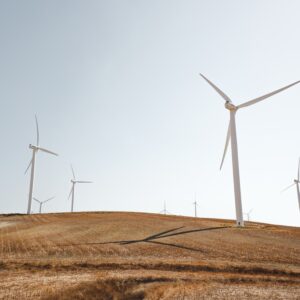
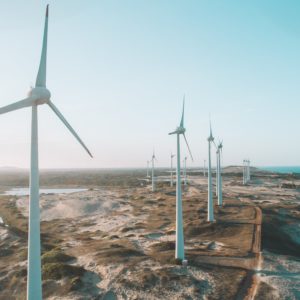
America needs to embrace an all-of-the-above approach to encourage the growth of clean energy sources while keeping lights on across the country.
Nuclear power generation to reach record high next year, IEA forecasts
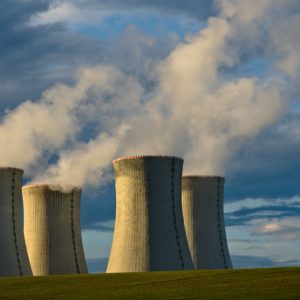
"At the UN’s COP28 climate summit in Dubai last year, more than 20 countries, including the US, the UK and France, agreed to try to triple global nuclear power capacity by 2050."
Three uranium mines open in the US
"At the end of November last year, uranium prices reached more than $80 per pound (lb) for the first time in more than 15 years. Commenting on the attractive market conditions, Mark Chalmers, CEO of Energy Fuels, said: 'Due to the substantial increase in uranium prices, US Government support for nuclear energy and nuclear fuel, and a global focus on reducing carbon emissions, Energy Fuels is resuming large-scale uranium production.'"
The High Cost of the Trump-Biden Tariffs
"The high cost of protectionism has been long documented. Surveying research on protections for various U.S. industries from 1950 through 1990, the Cato Institute’s Scott Lincicome found that the average annual cost to American consumers per job saved during those four decades was $620,000 (in 2017 dollars). Moving forward a few decades, Peterson Institute economists Gary Clyde Hufbauer and Sean Lowry estimate the price tag for each job saved by President Obama’s tire tariffs at $926,500."