"The U.K. has neither the market nor the money to compete on [the scale of the Inflation Reduction Act], and some U.K. companies have already said they plan to expand in the U.S. or Europe rather than at home. Mr. Sunak looked askance at the very idea of industrial policy. 'I tend to think heavy state and government involvement in the economy is not something that necessarily always produces the best outcomes,' he said. 'Government picking winners has never gone particularly well.'"
Articles from Around the Web
Business and Labor Agree: It’s Time for Permitting Reform
"As our nation strives to build out our domestic infrastructure, President Biden must remain committed to permitting reform. We need it. The challenges presented by the issue are not abstract to the energy workforce. There are real-world negative consequences from this regulatory regime. Many have been pushing to modernize NEPA for years. It’s time to get the job done."
Republican Governors Show Clean Tech Leadership
"Republican governors are working to deploy U.S.-made clean energy technologies, responsibly develop American energy, and secure domestic supply chains. Speaker McCarthy and House Republicans have developed an equally effective agenda to lead this nation. Now, it is up to all of Congress to take a page from these governors’ books."
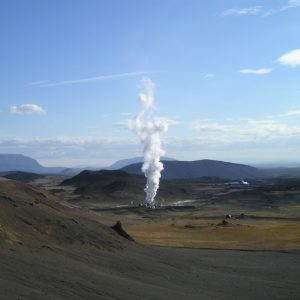
Geothermal’s new momentum and old hurdles
"Overall, the Calgary-based firm has raised roughly $220 million to date in VC and grant finance, and is now raising a $145 million Series B round, Redfern tells Axios."
The Scientific Breakthrough That Could Make Batteries Last Longer
"The Rochester lab found that 'reddmatter' could exist at 69 degrees Fahrenheit and 145,000 pounds per square inch, or psi, of pressure—about 1/360th of the pressure in Earth’s core. That is about a 10-degree Fahrenheit increase in temperature and a drop to about 1/1000th of pressure compared with its predecessor from 2020."
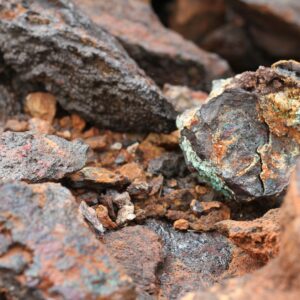
Without Unlocking Domestic Mineral Supply, the U.S. Will Become More Reliant on China
"The ultimate point is that there is a wide gap between the way politicians, and even many analysts, enjoy talking about clean energy and what sort of policy would be needed to turn those hopes into reality. For the United States to become a dominant producer of clean energy, it will need to either significantly increase its imports of clean energy-related minerals, or it must find ways to make it easier to produce these minerals domestically. If the United States doesn’t take either of those steps, then it will probably continue to rely on the domestic energy sources in which it is already abundant, which are predominantly fossil fuels."
America Once Knew How to Build Infrastructure
"The permitting process is broken. Environmental-impact studies are a racket, delaying projects for as long as five years over insignificant issues. Costs are increasing because of endless litigation and inflation. Contracting and labor rules have become so burdensome that no private enterprise could operate under them."
Climate tech startups team up to decarbonize Arizona concrete plant
"Aside from installing solar arrays onto its facility, Block-Lite produces masonry products the traditional way today, emitting a ton of carbon dioxide via the curing process. Through the award, however, Block-Lite told TechCrunch that it will eventually start selling 'ultra-low carbon blocks to customers in Flagstaff and surrounding areas.'"
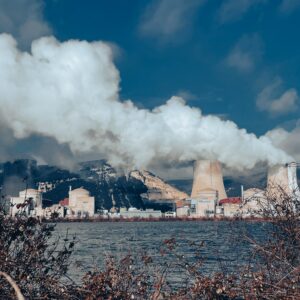
A new nuclear reactor in the U.S. starts up. It’s the first in nearly seven years
"However, because nuclear energy is generated without releasing carbon dioxide emissions, which cause global warming, the increased sense of urgency in responding to climate change has given nuclear energy a chance at a renaissance."
What free market principles did for Vietnam
"Vietnam is now one of the world’s most dynamic countries, with a vibrant economy that creates great opportunities for hardworking people and entrepreneurs. From a country that, before the market reforms began, was unable to produce enough rice to feed its own population, it has become one of the world’s largest rice exporters — and a major electronics exporter."