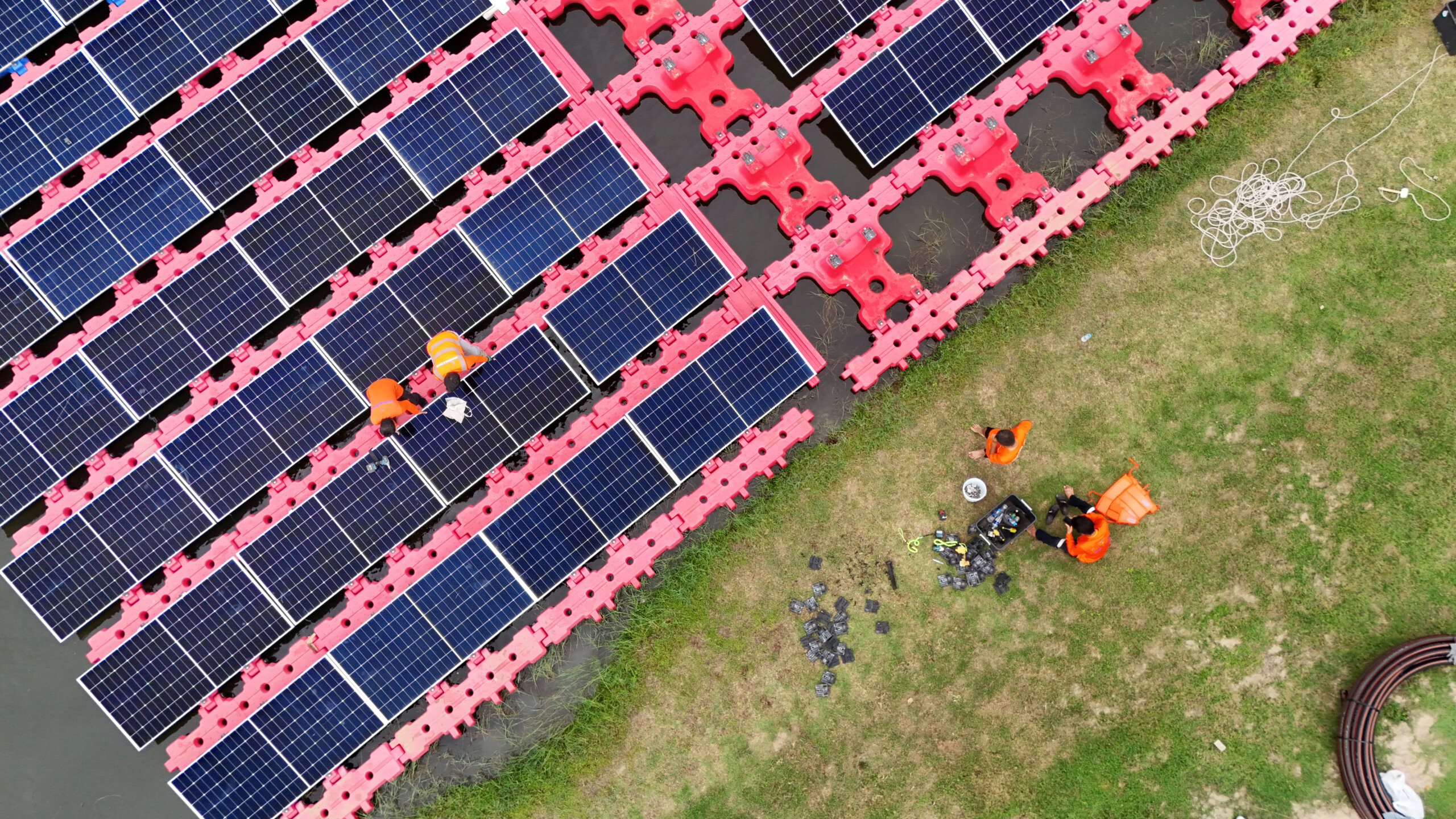
Ember’s new Global Electricity Review 2026 points to a genuine shift in the global power mix. In 2025, renewables supplied 33.8% of global electricity, edging past coal’s 33% share for the first time in the modern power era. Even more striking, clean generation growth slightly exceeded the rise in global electricity demand, which meant fossil generation was essentially flat rather than climbing in lockstep with demand.
The biggest engine behind that change was solar. Ember says solar met 75% of global electricity demand growth in 2025, while AP reports solar output rose by about 30% and, together with wind, met 99% of net new demand. This matters because it confirms that renewables are no longer a boutique sideshow in the global system. They are becoming central to how countries meet rising power needs.

Still, the report does not justify easy triumphalism. The real bottleneck is shifting from generation to systems. As clean power grows, the harder work becomes moving that electricity across the grid, balancing it over time, and making sure supply remains reliable during periods when weather-dependent resources fade. Coverage of the report and related energy analysis point to the same next chapter: more transmission, more storage, better market rules, and enough firm capacity to keep power affordable and dependable as demand keeps rising.
That is where a center-right read of this report becomes useful. It should unsettle two lazy narratives at once. One is the insistence that renewables are too marginal to matter. The numbers no longer support that. The other is the fantasy that adding intermittent generation alone solves the energy challenge. It does not. A serious energy strategy is not about picking a single favored resource and calling it a future. It is about building an abundant system that prizes reliability, affordability, resilience, and competition.
The deeper lesson from Ember’s findings is that abundance requires follow-through. If policymakers want lower costs, rising living standards, industrial growth, electrification, and AI-scale power demand to coexist, then generation gains have to be matched by infrastructure and regulatory reform. The countries that win will not be the ones that produce the flashiest transition slogans. They will be the ones that can actually build, connect, store, and deliver power at scale.
Key takeaways
- Renewables reached 33.8% of global electricity generation in 2025, slightly above coal’s 33%, marking a notable milestone in the global power mix.
- Clean electricity growth slightly exceeded total demand growth in 2025, which kept fossil generation essentially flat.
- Solar was the main driver, meeting about 75% of global demand growth according to Ember.
- The next big challenge is not just adding generation, but expanding transmission, storage, and grid flexibility so that cheap power can actually be delivered when and where it is needed.
- The report strengthens the case for an all-of-the-above, pro-abundance view: cleaner power matters, but reliability, firm capacity, and workable market design matter just as much.

The most important lesson in Ember’s new report is not ideological. It is structural. The world is adding clean electricity at a remarkable pace, and that is a real achievement. But generation alone does not create an abundant energy future. What matters is whether countries can pair new supply with the transmission, storage, market reforms, and firm capacity needed to deliver reliable power at reasonable cost. The winning energy system will not be built around slogans or resource tribalism. It will be built around affordability, resilience, competition, and the ability to scale what works.
The views and opinions expressed are those of the author’s and do not necessarily reflect the official policy or position of C3.