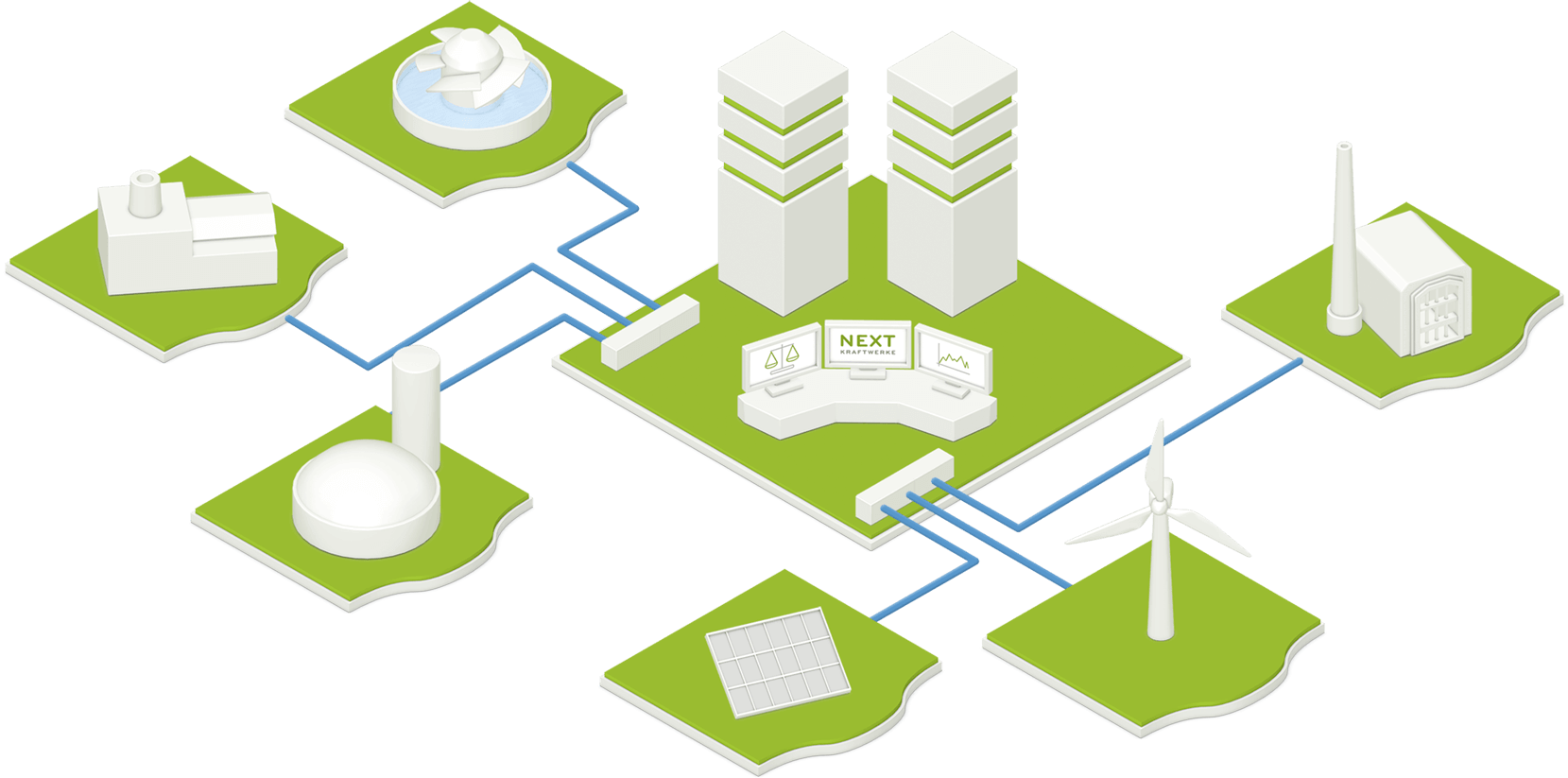
Across the United States, a quiet revolution is changing the way we think about energy. It’s not happening in massive power stations or through billion-dollar infrastructure projects. Instead, it’s unfolding in ordinary neighborhoods on rooftops, in garages, and behind smart thermostats. Homes equipped with solar panels, electric vehicles, and connected appliances are linking together to form what experts call virtual power plants.
These networks of distributed energy resources act like a single power plantbnot primarily by generating new electricity, but by intelligently shaping and shifting demand during peak hours and, in some cases, feeding power back to the grid. The result is a more stable and resilient energy system that requires far less costly new infrastructure than traditional generation, even if some digital coordination and grid upgrades are still needed. What makes this movement truly transformative, however, is that it turns everyday Americans into active participants in the energy landscape rather than passive consumers.
Traditional power grids are built to handle both daily and seasonal peaks—those few hours when everyone cranks up the AC, cooks dinner, or plugs in an EV at the same time. To meet this demand, utilities rely on “peaker” plants that may run only a few hours a year, or even just minutes a day. These plants are among the most expensive and carbon-intensive sources of electricity on the grid. Virtual power plants flip this model. By aggregating thousands of small, distributed energy resources, they can shift and reduce demand precisely during these peak moments, easing strain on the grid and displacing the need for high-cost, high-emissions peaker plants. Critically, participation is voluntary.
Unlike mandates or forced curtailment, virtual power plant programs are opt-in. Homeowners agree in advance to allow their devices—such as smart thermostats, batteries, or EV chargers to be automatically coordinated during critical grid periods, in exchange for financial incentives or bill savings.
Energy programs often fall short when they ignore human behavior. Consider a recent study in Northeast Mexico: researchers installed energy-efficient windows expecting a 26 percent drop in electricity use. The result? No measurable savings. Why? Residents kept their windows open for 16 hours a day. This highlights a critical truth: technology alone doesn’t guarantee results. Programs must account for how people actually live. Virtual power plants succeed because they embrace this reality. Instead of assuming behavior, they incentivize it. Homeowners get paid for performance, not promises.
California’s pay-for-performance model offers a blueprint. Using platforms like Recurve’s FLEXmarket, rebates are tied to real-world savings measured through smart meters. Contractors focus on projects that deliver peak-time benefits, aligning incentives with grid needs. This approach ensures that investments work when they matter most.
The appeal of virtual power plants lies in their flexibility. During a heatwave, the grid can send a signal to automatically reduce demand for a short period, often an hour or less, by coordinating enrolled devices across thousands of homes. Participation is voluntary at the point of enrollment: homeowners opt in ahead of time and agree to predefined adjustments in exchange for bill credits or cash incentives. This model avoids the backlash that often accompanies mandates while tapping into a growing desire among consumers to be part of the climate solution. Many people value contributing to grid reliability and their community while saving money. When aggregated across thousands of homes, these small, automated actions add up to big impacts lower emissions, fewer blackouts, and reduced reliance on fossil fuels.
Texas offers a glimpse of what’s at stake. Half of its peak load comes from residential demand. Shifting even a fraction of that through virtual power plants could prevent costly outages and reduce carbon footprints.
But success depends on trust and transparency. Programs must clearly communicate benefits, respect consumer choice, and verify results. If promised savings never materialize, confidence erodes. That’s why performance-based models and open-source platforms are essential. They ensure that every kilowatt saved or shared is real, measurable, and rewarded.
America’s energy future isn’t just about building new power plants; it’s about redefining where power comes from. Virtual power plants give households a way to strengthen the grid and contribute to reducing emissions on their own terms, without heavy-handed mandates on consumer behavior. When participation is rewarded through transparent, performance-based incentives, people are more likely to engage, the grid operators gain dependable flexibility, , and environmental progress becomes easier to achieve. .
The views and opinions expressed are those of the author’s and do not necessarily reflect the official policy or position of C3.