Farmers today are producing food under pressures that would have been unimaginable to previous generations. Input costs are rising and supply chains are unreliable. Water is scarcer. Weather is less predictable. And for a growing number of farmers — in Sudan, in Ukraine, in Myanmar, in Gaza — the challenge is producing food at all, in the middle of active conflict. These are not marginal conditions. They describe the reality facing hundreds of millions of people who grow the food the world depends on.
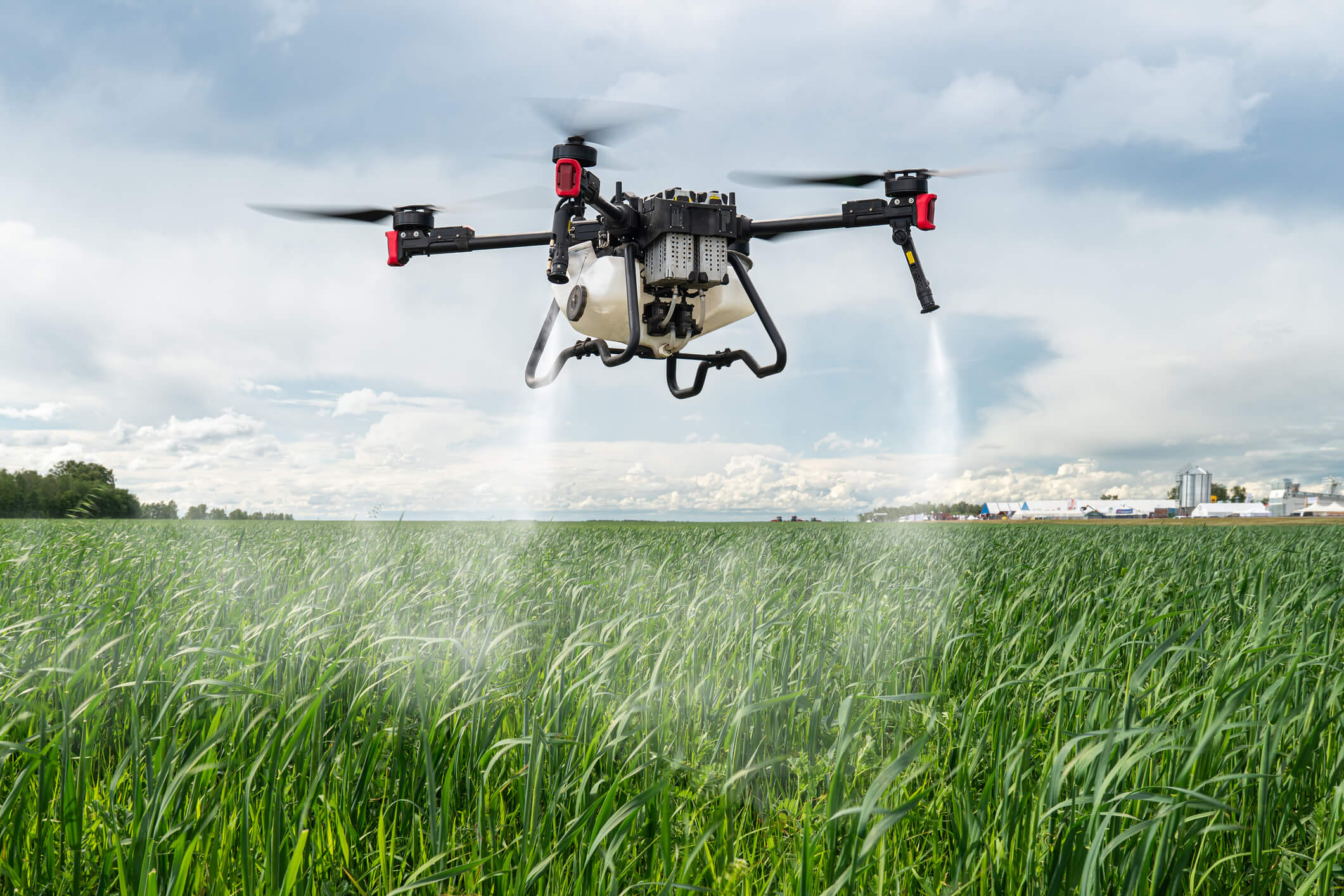
Smart farming — using data, digital tools and precision technologies to make better decisions, use fewer inputs, and get more from every hectare — is not a luxury response to these pressures. It is increasingly a practical and necessary one. It helps farmers know when to plant, where fertilizer will generate the greatest return, how much water a crop actually needs, where pests are likely to emerge, and which risks are developing before they become crises.
The views and opinions expressed are those of the author’s and do not necessarily reflect the official policy or position of C3.