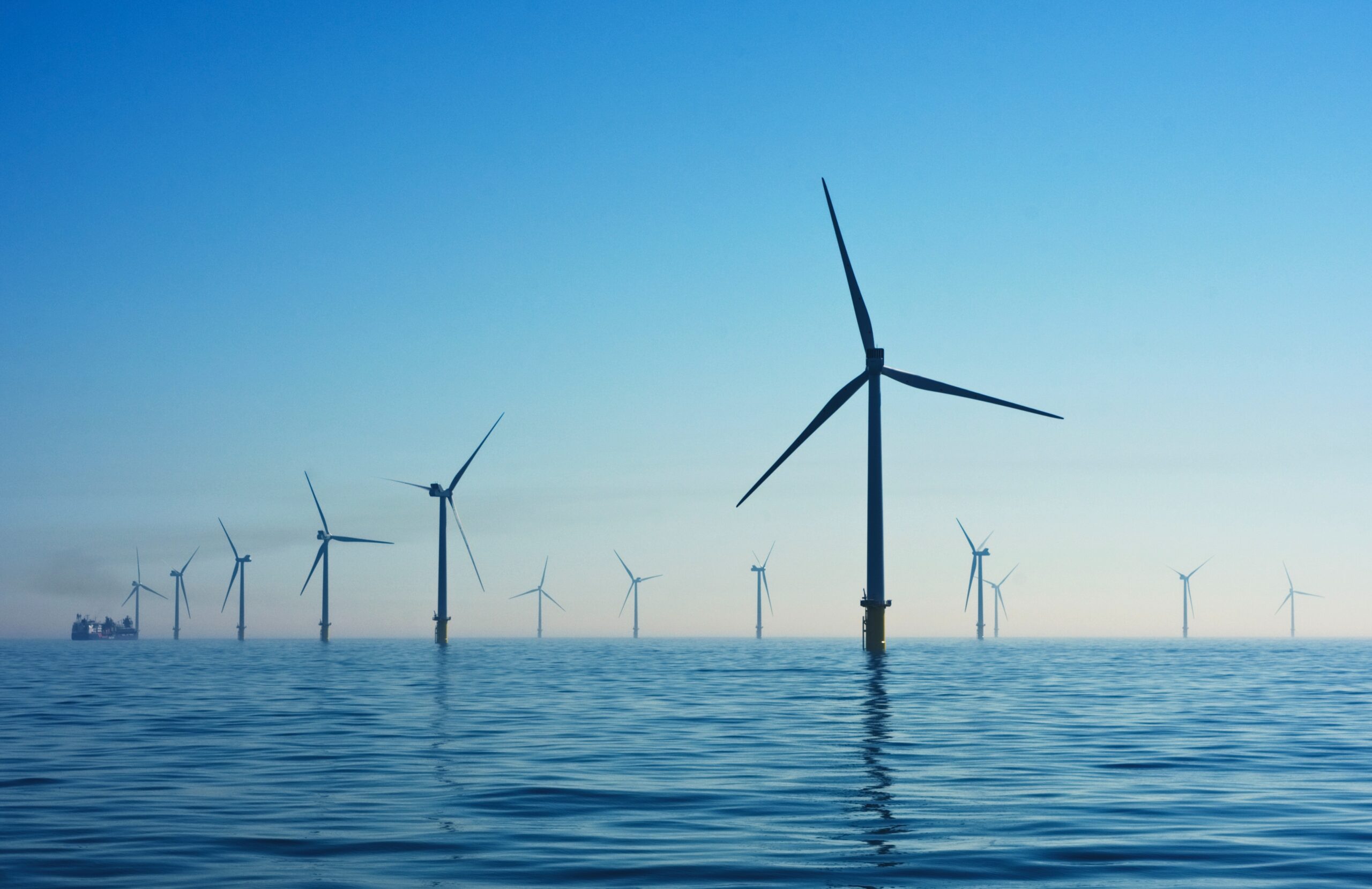
The Trump administration’s stop-work orders on renewable energy projects add an under-discussed layer of friction in the United States’ bid for energy dominance. While the effects of halting near-finished offshore wind projects are immediately apparent, the downstream political consequences could hobble the administration’s hopes for progress on both bipartisan permitting reform and their “build baby build” energy posture. The sudden demonization of American energy projects is just a page out of the left’s handbook, and it ultimately weakens the administration’s broader push for energy abundance.
The bulk of the Trump administration’s pushback against renewable energy projects has been on environmental grounds. Focusing chiefly on topics such as marine life, wind patterns, ocean currents, and whale migration, the arguments against offshore wind rarely address the actual limitations of offshore wind, such as downtime, reliability, or their economic viability absent subsidies. Instead, they inadvertently provide a talking point for those who have sought to demonize energy projects, often in opposition to efforts by Trump’s own administrations. The misstep is hardly lost on the president’s critics, who have been quick to point out that many of the same environmental impacts he cites against offshore wind also apply to offshore oil drilling.
Tallying points in favor and against preferred energy sources is a losing strategy for Republicans, who have correctly opposed similar environmental fear-mongering. As President Biden went to war against fossil fuels, he left pragmatism at the door, focusing his case against LNG exports exclusively on poorly contextualized emissions statistics rather than weighing the trade-offs of each energy source and allowing the market to determine winners and losers.
Attempting to cancel approved offshore wind projects isn’t just an issue of narrative strategy, however; it also threatens to undermine permitting reform, which is vital to Trump administration’s goal of energy abundance By toying with projects’ permits after they have been approved, though, the president is sending mixed messages to would-be innovators and investors in energy projects, signaling that even surviving the permitting process doesn’t guarantee a project’s future. Strengthening project-certainty provisions would not only address this inconsistency but also help bring Democrats to the table, as many have pushed for NEPA language that protects permits once granted and prevents endless legal or political reversals.
Democrats have also taken notice of this inconsistency, with Ranking Member Henrich of the Senate Energy and Natural Resources Committee arguing, “The elephant in the room now is the stop-work orders that the administration has put out because if you can ignore the law and you can stop someone’s job on a fully permitted project, then does permitting law really matter?” Other Democrats also underscore the difficulty of bipartisan movement on permitting reform without assurance for renewables projects, with Representative Suozzi of New York saying “If we keep on going in this process and we get near the finish line, and the argument becomes, ‘Hey, you guys are making this deal, and they’re not going to approve any of the green projects anyway,’ then it’s going to be very hard for us to keep the deal going forward.”
The renewable energy industry has benefited from subsidies and handouts much longer than necessary, but suddenly singling them out for increased administrative scrutiny is an improper overcorrection at an inopportune time. Politicizing economically viable projects only threatens reliable energy for families, businesses, and developing industries at a time when affordability is increasingly crucial. Using the same environmental arguments long employed by the left to block energy projects is a strategy that will backfire, and neither bodes well for fossil fuel development nor for crucial permitting reform. Allowing the renewable energy industry to compete fairly – without subsidies or interference – is a posture long overdue for political salience, energy dominance, and the American consumer.
Alina Voss is a fellow with ConservAmerica.
The views and opinions expressed are those of the author’s and do not necessarily reflect the official policy or position of C3.