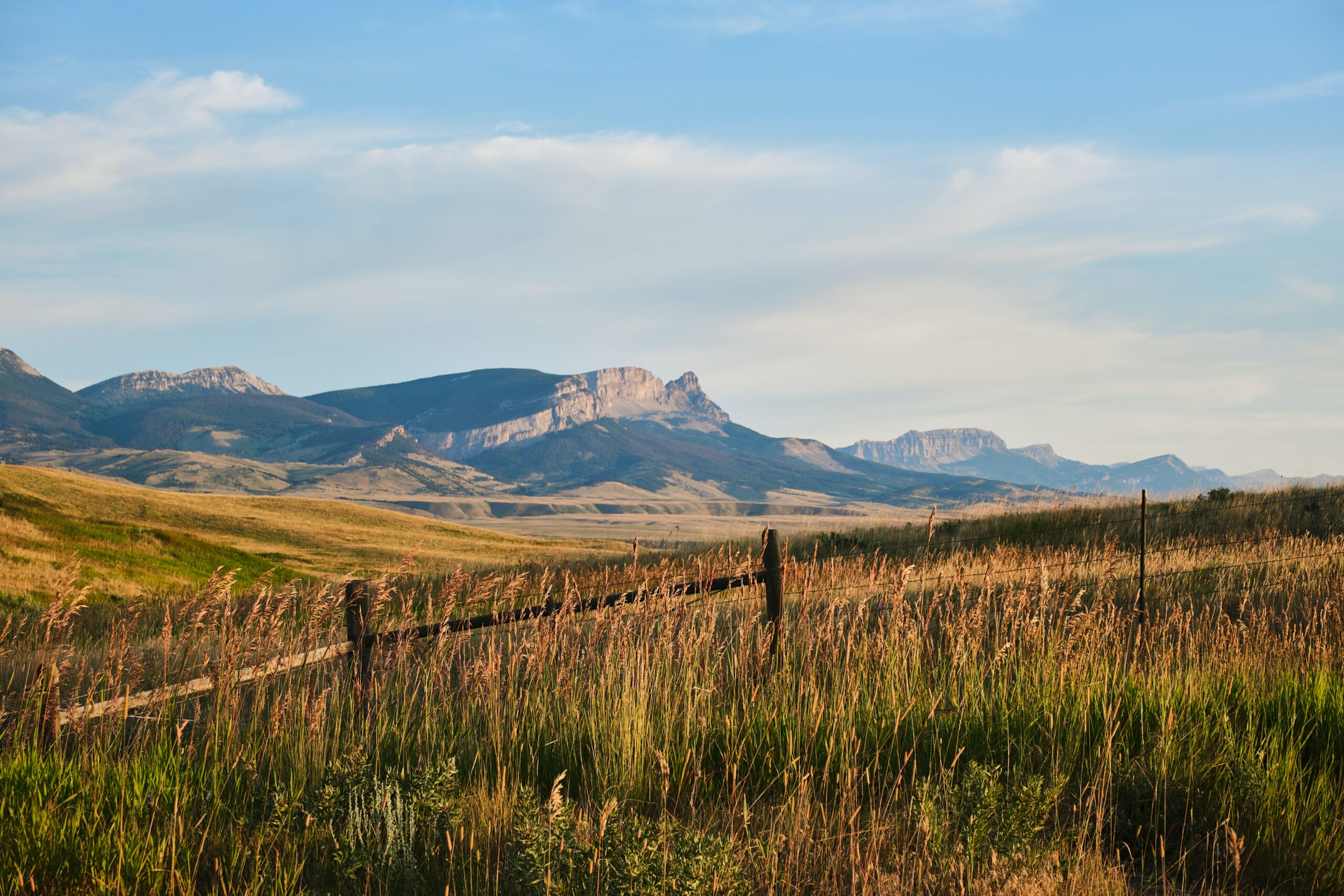
Long before climate policy became a hotbed for political debates, America had already trailblazed one of the most impactful tools for protecting the environment: conservation. From the restoration of rangeland, wetlands, and forests to the creation of national parks, America has a rich, bipartisan tradition of properly natural landscapes. Despite today’s polarizing politics, this tradition is not only alive but also provides an incredible opportunity to address today’s environmental challenges.
Conservation led from the bottom up by farmers, ranchers, hunters, and outdoor enthusiasts still matters a great deal, and it’s working significantly better than many people realize.
The conservation movement in the U.S. predates modern environmentalism by a handful of decades. “Teddy” Roosevelt, a Republican, established the National Wildlife Refuge System and protected over 230 million acres of public land. Franklin Roosevelt, a Democrat, expanded the spirit of that tradition through the Civilian Conservation Corps, which restored forests and built infrastructure that remains the backbone of our parks today.
What makes this legacy of American conservation so powerful today is that it aligns closely with modern environmental and climate goals, even though it has never been branded or marketed that way.
The ecosystems America has spent a century protecting are exactly what scientists say are critical to climate resilience. Healthy forests absorb carbon and protect communities from wildfires. Healthy rangelands support biodiversity, improve water quality, and reduce erosion.
Conservation works because it fits the American character. It pushes for stewardship, not control. It empowers private property owners and local communities, not top-down regulation. It treats the environment as something people depend on every day and something that needs constant attention, not an abstract policy issue or a museum where nothing should be touched.
Building on that momentum, conservation accomplishes tangible economic wins. Healthy landscapes uplift thriving tourism and boost small businesses. Conservation projects create jobs in rural communities while sustainability managed lands strengthen industries including fishing, agriculture, and forestry. When people have a vested interest in caring for the land, the economy ultimately grows alongside the ecosystems we care to protect.
It also works because it makes economic sense. The purpose of conservation isn’t just about protecting wildlife; it’s also an investment that delivers returns to both the national economy and to local communities. These are carefully crafted policies that strengthen rural communities, generate jobs, and uplift tourism revenue.
Recent legislation understands this as well. The Great American Outdoor Act provides funding towards maintaining national parks as well as public lands. Additionally, the EXPLORE Act creates more outdoor recreation opportunities, which helps communities enjoy more visitation along with recreation infrastructure. This proves conservation isn’t a holistic idea; it’s a real economic game-changer.
Conservation also works due to the fact that the natural world provides constant ongoing economic benefits that far exceed the cost to protect it. Forests help reduce the severity of wildfires, wetlands act as natural flood barriers, and Outdoor recreation alone contributes hundreds of billions yearly to the U.S. economy. Conservation shouldn’t be looked at as just an environmental priority, but as a sound economic strategy.
The most critical component of this is that conservation creates tangible benefits people can point to. Whether it’s a restored river or a thriving forest, these successes are building trust in solutions at a time when trust is often scarce.
As America looks for ways to address climate concerns without exacerbating political divides or stifling economic growth, conservation offers a way that is both familiar and effective.
America doesn’t need to reinvent the wheel when it comes to a comprehensive climate strategy. It already has a robust model that has brought forth results for more than a century. With robust policy solutions on the table, conservation can continue to play a vital role in today’s climate debates.
The views and opinions expressed are those of the author’s and do not necessarily reflect the official policy or position of C3.