"Mayer said the advantage ammonia offers over hydrogen is that it is a liquid at moderately low temperatures and can be stored as liquid under relatively low pressure, similar to how liquefied petroleum gas (LPG) is stored. Concerning how the ammonia is used, Mayer said there are two possible ways: ammonia can be burned directly or it can be 'cracked,' that is, decomposed over a catalyst, back to hydrogen."

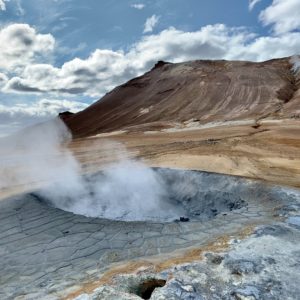
How a breakthrough in geothermal could change our energy grid
"If Altarock is going to reach those super hot temperatures beyond Newberry, they’re going to need to drill deeper. And that’s really hard to do with conventional drills. Instead, they’re hoping to use another type of new technology that sounds like science fiction: A heat ray to melt rocks. It’s called a millimeter wave — it’s kind of like a laser, in a different part of the spectrum."
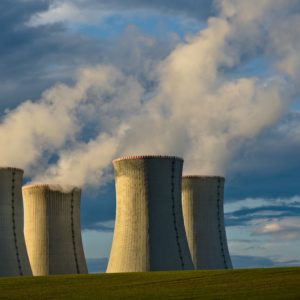
Market Innovations Make Nuclear An Energy Crisis Solution
"Whether you care about combating climate change, further securing American energy independence, or reducing energy costs for American families, these nuclear innovations can address the current energy crisis plaguing both the U.S. and Europe."
Blue Carbon: A Natural Climate Solution
Aside from storing carbon, healthy coastal structures are essential to mitigating the impacts of extreme weather.
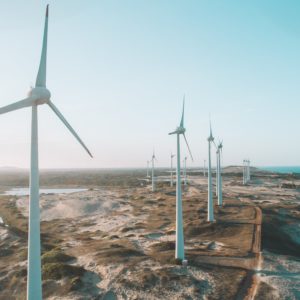
The 203 ft wind turbine blade GE built is the world’s largest
"The 203 foot (62 m) blade uses thermoplastic resin from Arkema and glass fabrics, from Owens Corning, partner companies in the ZEBRA project. By combining the two, the project claims to achieve the performance levels of a regular wind turbine with the added benefit of being recycled at the end of its lifetime."
How Nature Can Help Make Our Cities More Resilient To Flooding
"In Auckland, half of the area studied by Arup was made up of green and blue spaces, which helped it achieve its high sponge rating. The only city snapshot to contain a greater proportion of green and blue spaces was Nairobi (52%), however Auckland’s more permeable soil helped to give it a higher overall 'sponginess.'"
This Norwegian start-up makes carbon-negative roads
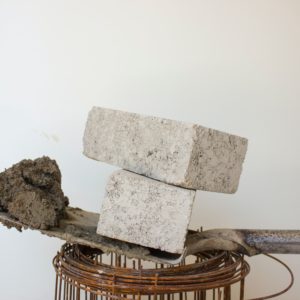
"The process starts with recycling. Instead of trucking in new materials when a damaged stretch of asphalt needs repair, the company uses a machine that grinds up the top layer of the existing road. The equipment can also be used with concrete, another high-carbon material, as long as the concrete isn’t reinforced with steel. Then, the company uses lignin—a material in plants that’s a major byproduct of the paper industry—to glue the crushed material together."
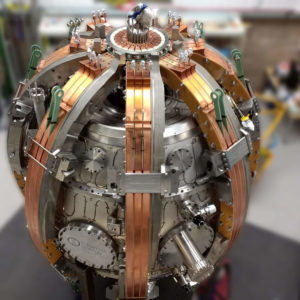
A nuclear fusion device pushes plasma to a record-breaking 100 million degrees
"For years, companies have been trying to harness this process to provide practically limitless sustainable energy here on Earth. Now, Tokamak Energy says it has brought us one crucial step closer to achieving this goal."
Decarbonizing Cement: An Interview With Brimstone Co-Founder Hugo Leandri
"We set ourselves apart from other companies because our proprietary process produces a cost-parity product which is identical in every way to conventionally produced Portland cement and we do not rely on costly carbon capture and sequestration."
Seatrec’s self-replenishing batteries could make ocean research cheaper
"Right now, the operational range for Seatrec’s batteries is limited to the two-thirds of the ocean that experience a temperature difference of 5-10 degrees Celsius between its surface and its depths. That excludes most of the Arctic and Antarctic, as the water is always cold from top to bottom."