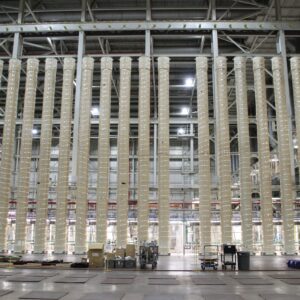
"Centrus said the capacity of the 16-centrifuge cascade that is expected to begin enrichment operations in October will be about 900 kilograms of HALEU per year, but with sufficient funding and offtake commitments, production could expand significantly."
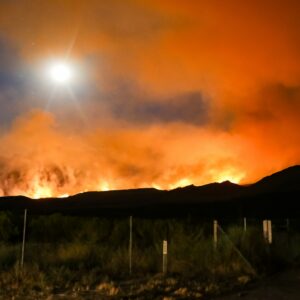
Maui’s neglected grasslands caused Lahaina fire to grow with deadly speed
"But what’s really necessary to keep communities safe, Pickett said, is action from large private landowners and elected officials. Neither party has meaningfully engaged with HWMO’s proposals, she said, including large-scale investments in brush abatement programs and putting resources toward enforcing fire codes."
How Reflective Paint Brings Down Scorching City Temperatures
"Cooling technologies mitigate this. Green roofs absorb heat before it penetrates the buildings beneath. Super-reflective coatings reflect the sun’s visible light and invisible infrared radiation away from surfaces to keep them cooler. And an ultra-white paint developed at Purdue University promises even more protection, although the product isn’t commercially available yet. Each strategy helps reduce energy use."
Seattle clean tech startup lands $1.4M for eco-friendly soy-based suds for shampoos, detergents
"The startup also secured third-party certification of its surfactants’ greenhouse gas impacts, which are 45% lower than comparable ingredients — a plus for manufacturers with carbon goals."
Deforestation in Brazil’s Amazon falls 66% in August
Reuters reports that deforestation in Brazil’s Amazon has declined by 66% in August. “Deforestation in the Amazon causes the loss of many species and their habitats, negatively impacts indigenous people and their health, causes fire, an increase in CO2 emission, soil erosion, flooding, desertification, pollution of rivers and lands, and negatively alters water cycle around...
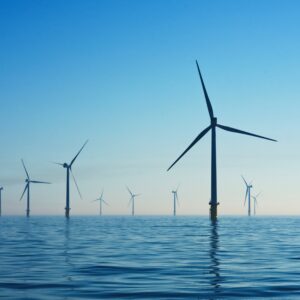
The world’s largest floating wind farm is now officially open — and helping to power North Sea oil operations
"While wind is a renewable energy source, Hywind Tampen helps power operations at oil and gas fields, the idea being that it will cut these sites’ carbon dioxide emissions in the process."
Startups Are Inventing Cooling Clothes for a Hotter Future
"But today’s niche solutions could very well be tomorrow’s mainstream fashion. July was the hottest month ever recorded. Over time, entrepreneurs like Russell expect adoption of cooling clothes to spread from outdoor laborers to almost everyone."
Artificial Intelligence Steps In to Lower Carbon Footprint of Buildings
"JLL, which manages billions of square feet of commercial real estate around the world, has been making a string of investments to bring AI systems to companies looking to cut their emissions. The business case: Eco-friendly buildings charge higher rents and are on the market for less time. JLL says it expects 56% of organizations to pay a premium for sustainable spaces by 2025."
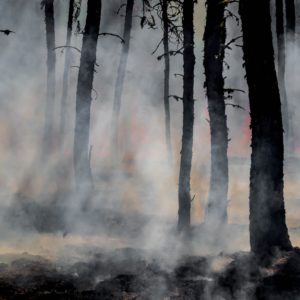
There’s a Better Way to Fight Wildfires, Indigenous Groups Say
"As it gets late in the afternoon, the winds will start to die right down. Then we’ll start coming in and doing all of our night burns so we can get more control of that fire and make it do exactly what we want. If you come into one of our burns, what we call cold burns, you can literally walk along with the fire, touch the soil. Green grasses are still there."
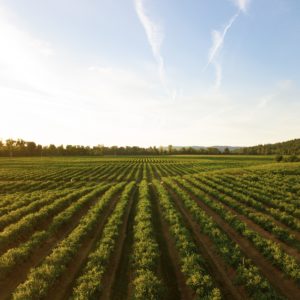
Chemical fertilizer is a climate disaster. Can high-tech biology fix it?
"There’s an old joke that a farmer’s top three priorities are yield, yield and yield. Some scientists remain skeptical that Pivot’s biological solutions can replace chemical solutions on a grand scale without hurting yields. But so far, most of Pivot’s customers are coming back for more, which suggests they’re seeing financial benefits. Those benefits could increase if more countries crack down on nitrous oxide, as the Dutch government did in January. And the economics could become even more favorable as fledgling carbon markets begin to reward farmers for reducing emissions from fertilizer use."