Yesterday, the United States and Iran signed an agreement to end the war. The 14-point Memorandum of Understanding (MOU) includes an immediate and permanent end to military operations, the lifting of the U.S. naval blockade, and the reopening of the Strait of Hormuz. It is a preliminary deal, not a final settlement, and sets a maximum 60-day deadline to negotiate a final agreement.
This is good news, both as a positive step towards a final end to hostilities and a potential return to normalcy in oil and gas markets. By choking off the strait, the passage for about a fifth of global oil and gas trade, the war produced the largest geopolitical oil supply disruption in history. West Texas Intermediate (WTI) crude, around $60 a barrel before the war, peaked close to $115 in early April. Gasoline followed, with the national average rising from under $3.00 a gallon to a peak of $4.50.
Prices are already softening: WTI is below $75 per barrel for the first time since March, while average gasoline prices are creeping below $4.00 per gallon. This early relief is good, but for a few reasons it will still be some time before prices are close to the prewar level.
First, the MoU is not an official peace deal, and any lingering uncertainty will be reflected in oil prices. Many of the hardest questions have been deferred, including the fate of Iran’s nuclear program. Others remain vague, such as a provision calling for a $300 billion reconstruction fund which leaves open exactly who pays. President Trump has explicitly ruled out U.S. funding and the Gulf states appear hesitant to commit. Most importantly, although the agreement calls for an end to fighting, including by Israel in Lebanon, attacks between Israel and Hezbollah continued even after the deal was announced. These and other uncertainties will be priced in by the market, meaning that there will likely be continuing volatility and higher prices until fears are fully assuaged.
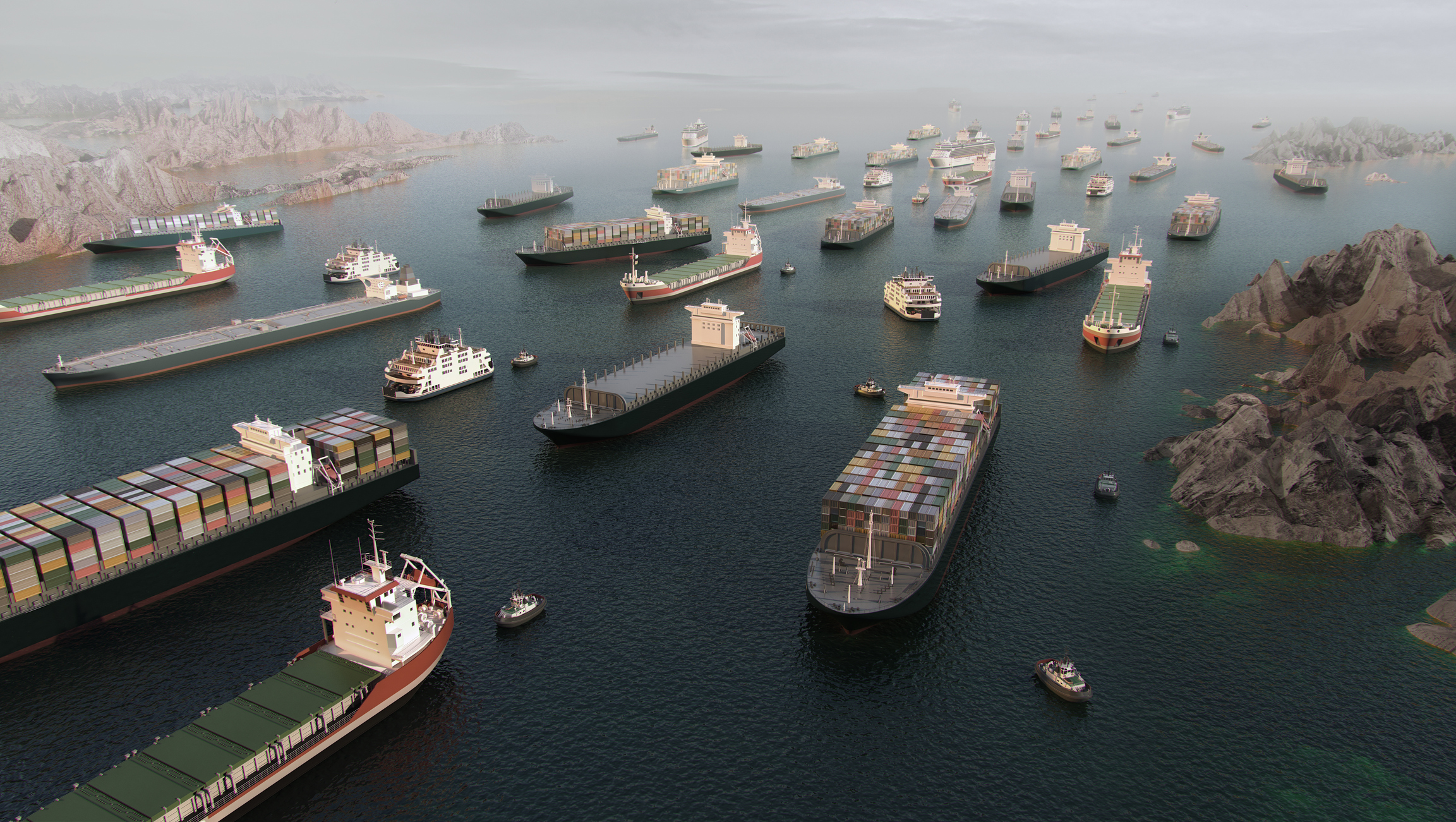
On top of that risk premium, reopening the strait is a logistical undertaking. Iran has laid mines along the shipping routes, and normal traffic cannot resume until they are cleared and safe lanes are verified. The 100-plus tankers idling in the Gulf would normally need 10 to 15 days to sail out, but many may wait until the mines are cleared, which could take six weeks or more.
Some vessels are beginning to transit the strait, but outbound traffic is only half the equation. Restoring inbound traffic will take longer, as many large carriers were shifted to safer, higher-paying alternative routes during the war. They won’t return to the Gulf until those voyages are complete and Gulf freight rates have climbed enough to justify it. All told, it could take four or five months for inbound traffic to return to normal.
>>>READ: The Iran War and the Long-Term Risks to Energy Affordability
In the meantime, a large portion of oil and gas production in the Gulf will need to be restarted. Despite the popular image of oil output being controlled by a spigot, oil production is constrained by geology, not just business and policy decisions. Some of the fields idled by the war will be easier to restart than others, depending on their individual characteristics, but returning overall production to pre-war levels could take significant time. Wood Mackenzie analysts project that the shut-in fields could reach 70 percent of capacity within three months and 90 percent within six, with the final million barrels per day taking considerably longer.
Compounding this is war damage. Oil refineries that were shut down as a precaution can restart in a couple of weeks, while refineries that were damaged could be repaired in months. The hardest hit, though, is the Gulfs gas infrastructure. Processing and liquifying natural gas requires highly complex, custom-built units with multi-year lead times. Damage to Qatari LNG capacity could take years to repair. The U.S. is largely insulated from these effects, as gas markets are less integrated and U.S. export terminals are already at a capacity. Internationally, though, high gas prices will persist.
Even after these supply-side effects recover, oil prices will likely stay elevated for a while. Stockpiles are at their lowest levels in decades, and governments that drew down their strategic reserves during the war may move to rebuild them. This misguided move would add increased demand just as supply is straining to recover and could inflate prices for several years.
And even once crude eases, there will be a lag before gasoline follows, because of a phenomenon known as “rockets and feathers.” Pump prices are quick to rise but slow to fall; a decline in the crude oil price takes roughly eight weeks to pass through to gasoline. All told, a substantial period will separate the peace deal from the moment its benefits reach our wallets.
Any movement toward peace is good news. But markets will take time to recover, and energy-affordability concerns will not dissipate overnight. The best policy move now is a firm commitment to turning this fragile framework into a durable peace.
The views and opinions expressed are those of the author’s and do not necessarily reflect the official policy or position of C3.