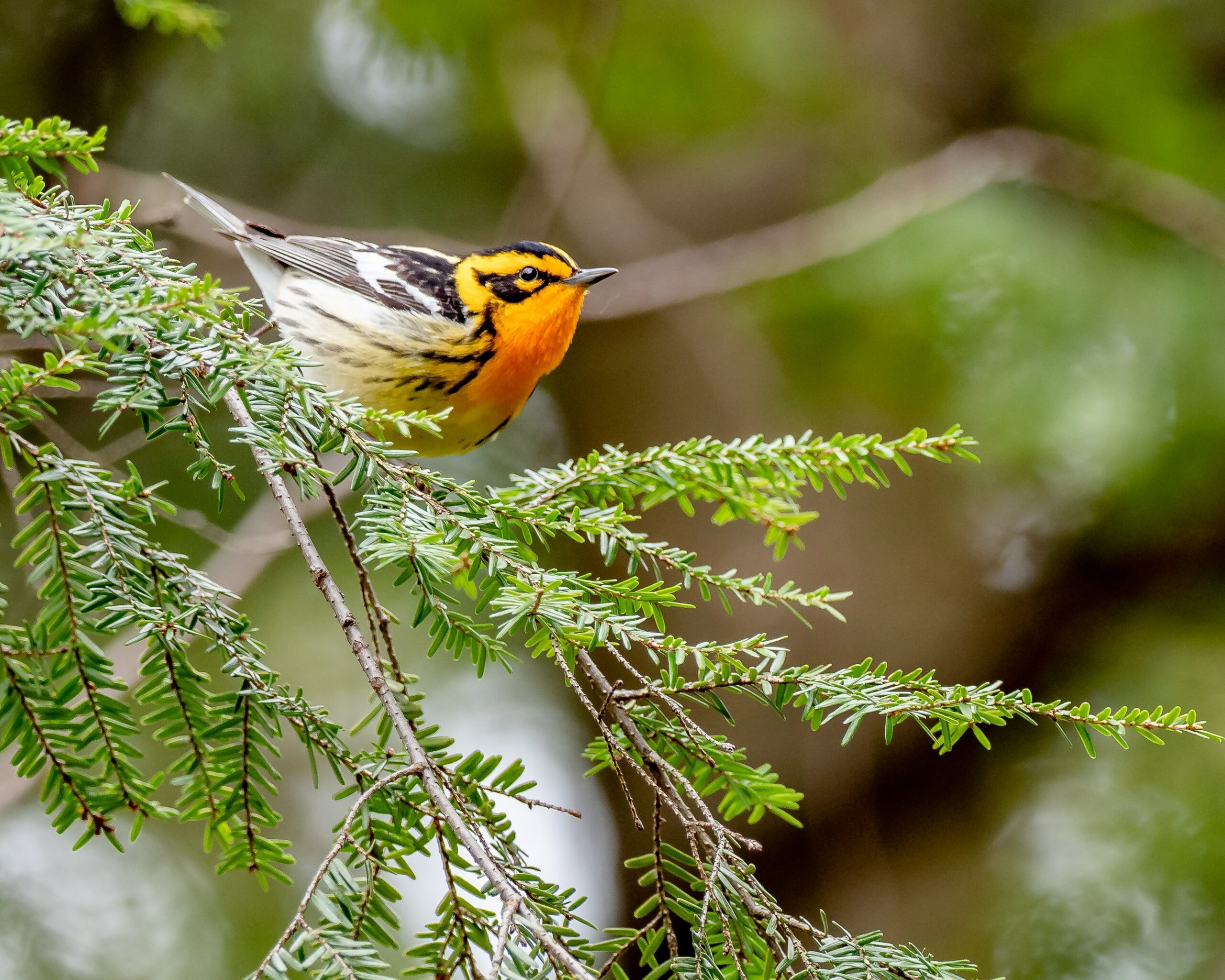
This week, a reptile from the Florida Keys was added to the endangered species list. The Mole Skink may have a better chance of survival due to recent changes in regulations and an improved scientific landscape.
The 50-year era of “don’t-touch” conservation may have ended three weeks ago, after the Trump administration narrowed the definition of harm under the Endangered Species Act (ESA). Harming an endangered species used to encompass damage to the land the species lives on. Landowners with endangered species were limited in how they could steward their plots of land. After all, endangered species’ recoveries relied on proactive efforts by landowners, which will remain intact regardless of the changing incentive structure of the ESA. The unnecessary penalties landowners had to incur were lifted, and conservation efforts will be able to fit the needs of the land and life rather than keeping the overburdening punishments of the ESA.
Harm once covered habitat degradation as well as direct injury to endangered plants and animals; now it covers only the latter. With the new ruling, construction projects will still prioritize recovery plans, and harm to species will still be minimized. Under the old rule, construction projects were curtailed due to the possible risk they could have on the local endangered flora and fauna.
However, shielding endangered species from all types of harm is like wrapping a child in bubble wrap: safe, perhaps, but unable to grow up and experience life. That excessive prevention has stifled American industry, and with it, economic progress. With the bubble wrap removed, endangered species must now coexist with American innovation, including the genetic technologies and procedures emerging to help save them.
>>>READ: To Save the Sequoias, Bring Back Good Fire
For instance, on June 25, Colossal Biosciences and the U.S. Fish and Wildlife Service launched the BioVault initiative to catalogue the DNA of every species listed in the ESA. Colossal Biosciences’ manager of conservation, Stefano Arango, announced that this “partnership aims to collect, sequence, and preserve living cells, reproductive tissues, and genomic material from more than 2,300 ESA-listed species so future scientists, wildlife managers, and conservation organizations have more tools to support recovery and resilience.”
“America leads the world when we embrace innovation and put our best minds to work solving big challenges,” said Secretary of the Interior Doug Burgum.
But a genetic archive is not a cure. It is insurance against a worst-case scenario we should never reach: extinction.
But BioVault should be understood as a complement to conservation on the ground, not a substitute for it. A genetic archive may preserve options for future researchers, but it cannot remove threats to extinction or manage a working landscape today. That requires landowners and local communities with the knowledge and incentive to act on the ground.
>>>READ: Interior Announces State Management of Grizzly Bears
An ounce of prevention is worth a pound of cure, and endangered species policy should reflect that principle. Supporting recovery and resilience beforehand will ensure species don’t reach that point. The goal now is balance: enough room for resilient nature to adapt and for America to build. Whether the rule change delivers a better future for Americans and the more than 2,300 listed species, something the previous ESA regulations, focused solely on non-human organisms never achieved, remains to be seen.
A better ESA would reward measurable recovery, active habitat management, and private stewardship rather than rely so heavily on restrictions. It would also treat invasive species like the threat they are, and reward prevention and management of them.
In many cases, conservation requires active stewardship. By actively combating drivers of extinction, such as invasive species, the ESA would be stronger. Better prevention requires targeting the cause rather than the victim. Since 1973, when the ESA was passed, the law has prevented the killing, trapping and harming of any listed endangered wildlife — a provision that still makes sense. The federal land-use restrictions tied to habitat no longer do; habitat can be better shared.
Landowners and developers should be rewarded for stewardship, rather than penalized with outdated restrictions.
Airlines instruct passengers to secure their own oxygen masks before helping others. The same logic applies here: caring for other species shouldn’t come at the cost of our own progress. Conservation efforts can expand even as mining, oil, and other industries see a revival.
The ESA was created for a clear reason: “various species of fish, wildlife, and plants in the United States have been rendered extinct as a consequence of economic growth and development.” Now, thanks to that same growth and development, species can be genetically preserved. Preventing harm to endangered species no longer has to mean harming human progress. That is the symbiosis this reform is reaching for.
The views and opinions expressed are those of the author’s and do not necessarily reflect the official policy or position of C3.