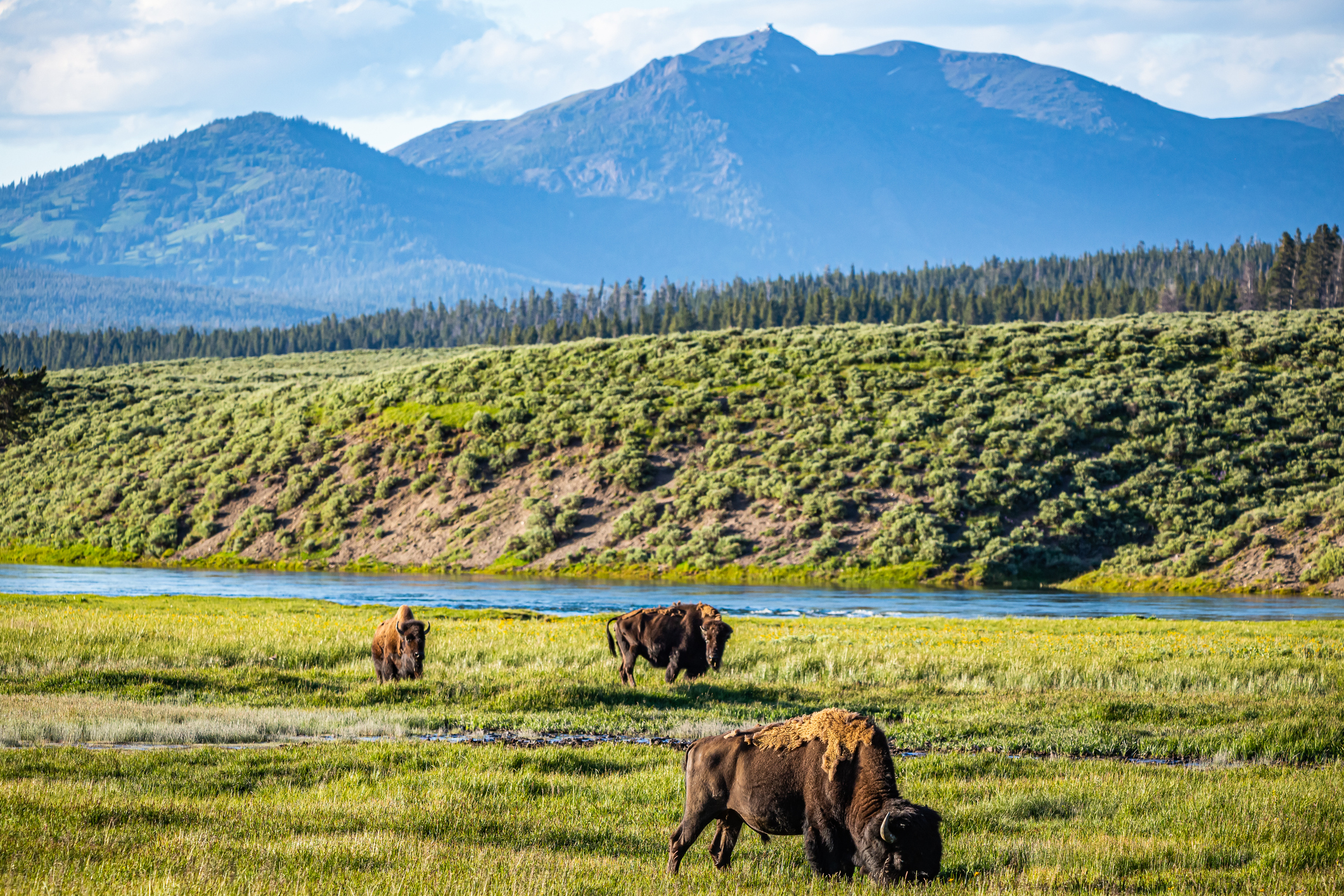
In 1872, America set aside a vast stretch of mountains, rivers, valleys, and geysers in the West and created the world’s first national park, Yellowstone. At the time, the idea was revolutionary. It was only ten years after President Lincoln signed the Homestead Act in an effort to fast-track westward expansion to settle and cultivate the land. Preserving land for public enjoyment and future generations, rather than for development or cultivation, marked an incredible shift in how Americans would think about the nation’s natural resources.
In the 154 years since, the world has followed America’s lead, establishing national parks in over 100 countries. The United States now has 63 federally protected national parks, and hundreds of other National Park Service sites including battlefields, trails, seashores, and rivers. Often called “America’s best idea”, all play an incredible role in the preservation of some of the country’s most treasured landscapes.
Yet, from the beginning, maintaining protected wilderness was a challenge. At the time, Yellowstone advocates believed the park would sustain itself, at no expense to the government. However, without funds to hire park staff or build infrastructure, there was little the unpaid superintendent Nathaniel P. Langford could do to protect the park’s natural assets and wildlife, particularly from poachers. A few years later, Congress authorized appropriations “to protect, preserve, and improve Yellowstone”. By 1916, it had become clear that a dedicated agency could better manage the nation’s growing portfolio of parks, leading to the creation of the National Park Service.
Still, over 150 years later, the National Park Service struggles to keep up with a growing deferred maintenance backlog. Today, the NPS faces a $24 billion deferred maintenance backlog, despite receiving historic investments in the 2020 Great American Outdoors Act. The Legacy Restoration Fund, established in the GAOA to fund deferred maintenance, expired last September. As the 250th anniversary approaches, lawmakers are looking to build on that legacy and reauthorize the fund that nearly three-quarters of Americans support.
>>>READ: To Save the Sequoias, Bring Back Good Fire
Last week, bills in both chambers of Congress that would reauthorize the Legacy Restoration Fund were discussed.
The Great American Outdoors Act 250, introduced by Congressmen Bruce Westerman (R-AK), Ryan Zinke (R-MT), and Jared Huffman(D-CA), would make significant changes to the original Great American Outdoors Act. One important change would codify the Interior Department’s surcharge on foreign visitor fees. Under the bill, entrance fees at national parks would include a $100 surcharge for international visitors on top of the standard admission fee, and annual passes would increase to $250.
This reform brings America in line with much of the world, where charging foreign visitors more to see a country’s most treasured landscapes is a common practice. After all, Americans already pay twice for parks, once in taxes and once at the gate. It only makes sense for foreign visitors to pay their fair share as well. This change, along with allowing donations to advance GAOA projects, also helps to depoliticize our parks and provide adequate funding even during political changes in Washington.
80 percent of the foreign visitor fees will stay at the park where they were collected and contribute directly towards priority projects. For highly trafficked parks like Yellowstone, which face some of the largest deferred maintenance backlogs, this is a major win.
While not a permitting-focused bill, it would codify streamlined categorical exclusions from NEPA for deferred maintenance projects funded under the act. Often, these projects are for the benefit and safety of visitors, and lengthy reviews can slow down necessary health and safety upgrades and increase the cost of deferred maintenance.
>>>READ: Walmart Commits Millions Toward Wildlife Conservation
In a win for sportsmen and women across the country, up to 15 percent of funds go to a sportsmen’s access pilot program to expand hunting and fishing opportunities on public lands. Greater access could increase participation in these activities and generate additional license revenue that provides nearly $1 billion annually to state wildlife agencies and supports conservation efforts across the country.
The Senate’s original America the Beautiful Act would essentially renew the Great American Outdoors Act with some minor changes. However, after a lengthy markup on Wednesday, the amended bill looks more similar to the House’s version. The bill advanced out of committee and heads to the floor for consideration.
When Yellowstone was set aside in 1872, its champions believed it would sustain itself. But then the first superintendent spent five unpaid years watching poachers thin the wildlife populations he had no money to protect. We’ve spent the last century since then trying to figure out how to keep America’s best idea thriving. The Great American Outdoors Act 250 provides an incredible path forward. A surcharge on foreign visitors and expanded matching funds give the parks a revenue source that does not rise and fall with each political fight. As the country turns 250, there is no better tribute to our nation’s treasured lands than making sure they can outlast the politics that have threatened them.
The views and opinions expressed are those of the author’s and do not necessarily reflect the official policy or position of C3.