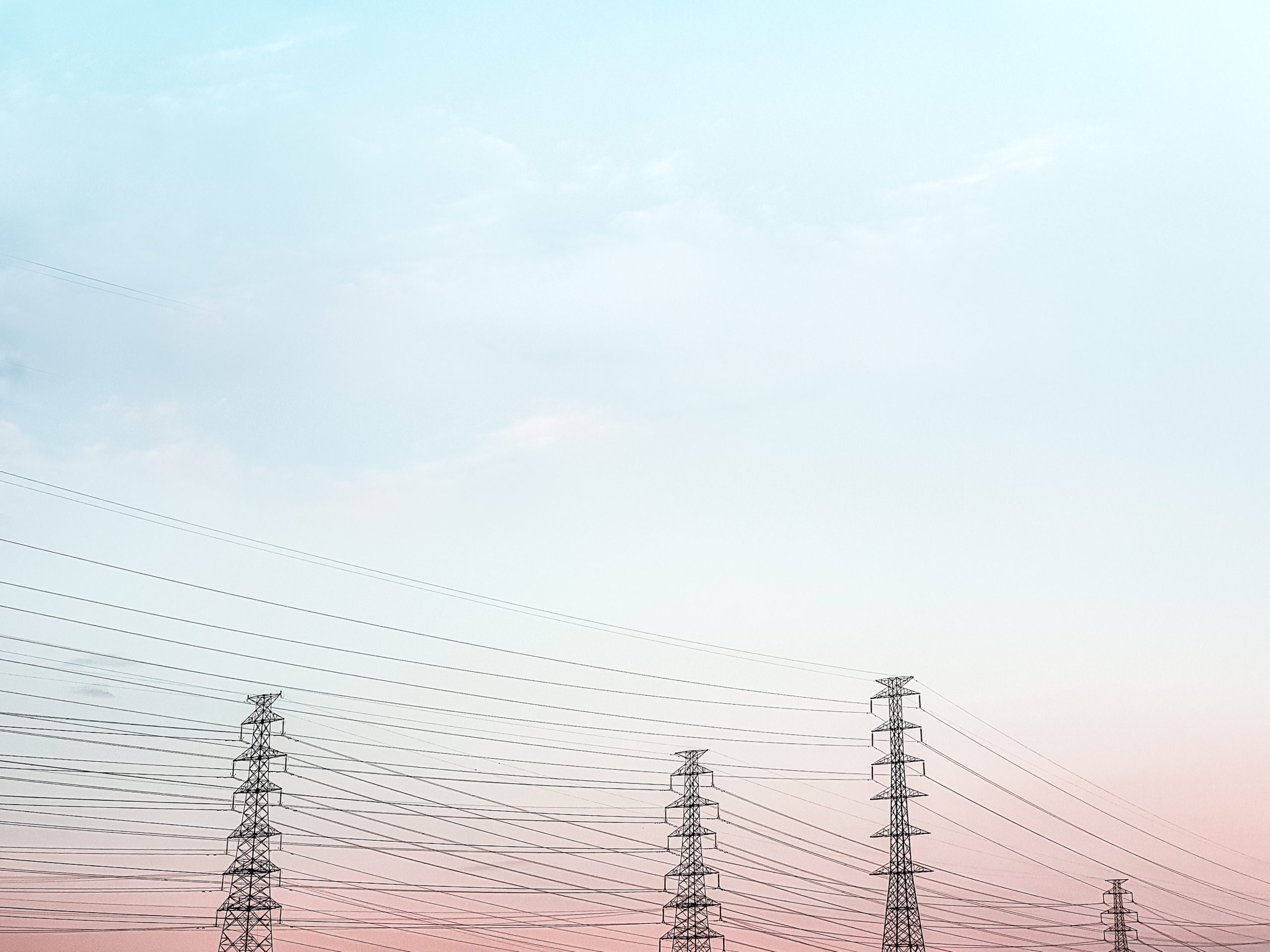
Electric utilities and power grid operators increasingly are looking at ways to diminish and avoid disruptions from extreme weather. The power sector also has experience with the financial impacts of wildfires, both with damage to assets and losses incurred when equipment is found liable for causing those events.
Undergrounding lines, in addition to enhancing safety, also can improve the performance of transmission infrastructure, by mitigating hazards such as impacts from trees and other vegetation. A report from the U.S. Department of Energy’s (DOE’s) Grid Deployment Office, along with Berkeley Lab in California, notes a “key advantage of underground transmission and distribution lines is substantially reduced vulnerability to disruption from extreme weather and wildfires [by preventing initial ignition as well as propagation], resulting in both reliability and resilience improvements.” Several electric utilities and other agencies have noted that undergrounding offers protection against lightning, animal incursions, high winds (including thunderstorms, tornadoes, hurricanes, and derechos), and ice and snow. It also eliminates the chances of fallen power lines caused by auto accidents (Figure 1), or simply due to aging infrastructure.
Read more in Power Magazine here.
The views and opinions expressed are those of the author’s and do not necessarily reflect the official policy or position of C3.