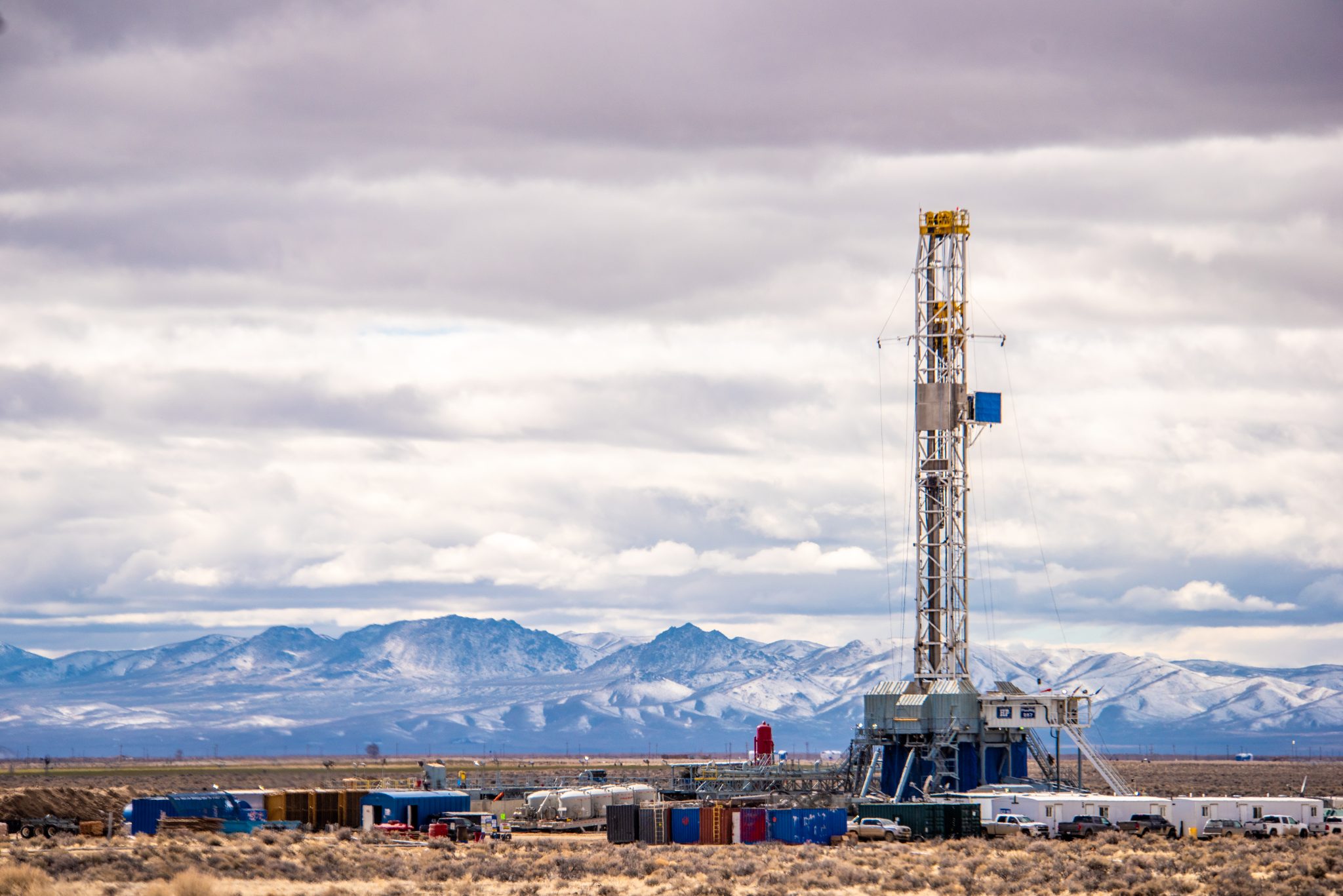
America’s geothermal energy sector sits on a paradox. The technology is ready, the reserves are vast, and the demand for clean, reliable power has never been higher, but outdated federal regulations act as a bottleneck on projects for years before they can ever deliver electricity. Two bills recently passed by the U.S. House—H.R.5631, the Geothermal Energy Advancement Act, and H.R.1687, the CLEAN Act—take direct aim at this regulatory dysfunction. Together, they represent a consequential step toward realizing the full extent of the geothermal opportunity as the legislation now moves to the Senate for consideration.
The scale of that geothermal potential is hard to overstate. The Department of Energy estimates that U.S. geothermal reserves could produce up to 300 gigawatts of electricity. That potential represents over 20% of all capacity on the U.S. grid and is equivalent to powering New York City more than 50 times over. The technology also produces near-zero operational carbon emissions and delivers round-the-clock electricity to residential and commercial customers.
What is holding it back is not the technology, but a failure of regulatory governance.
Duplicative permitting requirements, inconsistent federal lease sales, and numerous other bureaucratic challenges have created a system that frustrates serious developers and rewards inaction. Projects stall under procedural costs; many are never financed because of the lack of a predictable, regulatory runway. Reforming these regulatory failures will provide the consistency and speed the market needs to invest and scale this industry with confidence.
The Geothermal Energy Advancement Act tackles the permitting side of this equation. During exploration and development, federal environmental review requirements can trigger as many as six separate interventions. These impose a significant administrative burden on under-resourced permitting offices, particularly for categories of low-risk exploration activity that rarely surface meaningful environmental impacts. The bill takes targeted action to exclude such activities from reviews, while reserving full environmental scrutiny for more disruptive stages of development. It also directs fees collected for permitting and leasing services back into the Interior offices doing that work. This cost-recovery method is already used for oil, natural gas, solar, and wind development, making it a proven way to give permitting staff the resources they need to move efficiently. Additionally, the bill adds an appointed Geothermal Ombudsman tasked with facilitating internal and external coordination, including for permitting, across the Bureau of Land Management and its field offices.
The CLEAN Act addresses a separate but equally critical failure before permitting even occurs: inconsistent federal lease sales. Infrequent and unpredictable auctions of federal lands have historically created an opportunity for rich, speculative bidders to drive up lease prices. This raises the cost and risk of exploration for developers who actually intend to build. Requiring annual lease sales and timely replacement sales—two key provisions of the CLEAN Act—provides discipline and consistency to the leasing process. The result is a market more accessible to serious developers and less hospitable to speculation.
The case for reform is straightforward. American economic competitiveness hinges on the availability of reliable, affordable electricity. Geothermal has the potential to deliver it, and America leads in its development for now. But that leadership is not guaranteed. Scaling deployment requires the federal government to modernize regulations that have not kept pace with the technology. Following the House’s decisive action on these two bills, the Senate should maintain this momentum and catapult both pieces of legislation to the Oval Office.
The views and opinions expressed are those of the author’s and do not necessarily reflect the official policy or position of C3.