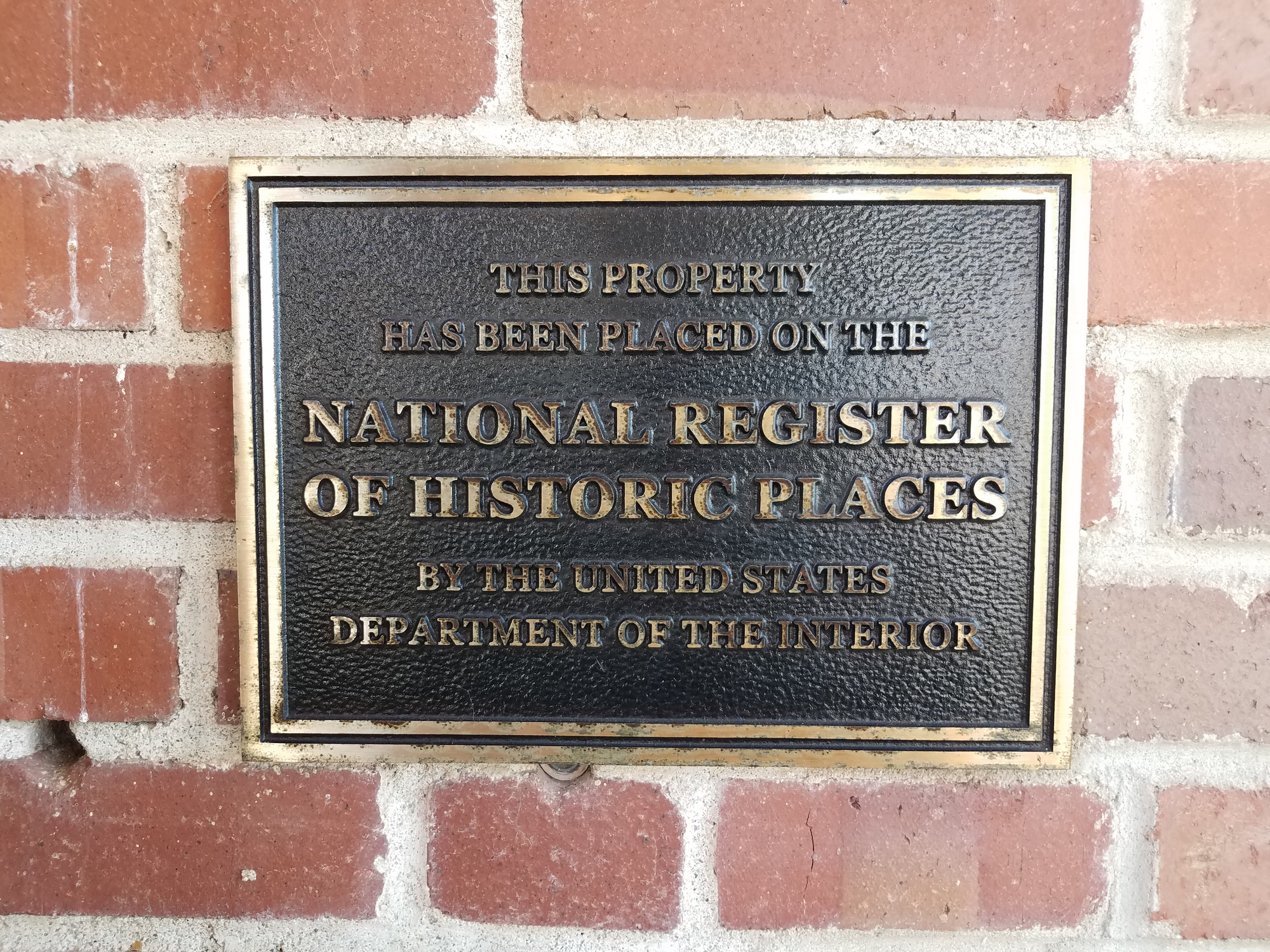
The National Historic Preservation Act (NHPA) was enacted in 1966 to protect America’s cultural heritage at a time when rapid development was destroying historic sites. Its core process, Section 106, requires federal agencies to consider how projects they fund, permit, or carry out affect historic and cultural resources.
Though well-intentioned, nearly six decades later, Section 106 has become a source of uncertainty, delay, and rising costs for energy, transmission, and conservation projects.
The law is purely procedural. It requires agencies to “take into account” impacts to historic properties, not to reach a specific outcome. However, unclear rules, inconsistent implementation and interpretation of requirements, and open-ended timelines have turned the process into a bottleneck.
A key problem is the lack of clear boundaries around what areas must be reviewed. Disputes over the Area of Potential Effects can quickly expand a project’s scope. Larger project scopes mean more land reviewed, more stakeholders, and a longer process. In one case, a three-mile transmission line upgrade was delayed because two agencies defined the scope differently.
Unlike NEPA, which now has statutory deadlines, Section 106 has none. Reviews can drag on for years, especially at the mitigation stage, where negotiations have no clear endpoint. In extreme cases, transmission projects have spent more than a decade in Section 106 review. Coupled with other permitting requirements, such as NEPA, ESA, and others, the process becomes even more burdensome.
Courts have at times treated NHPA as if it requires binding mitigation outcomes, even though the statute imposes no such obligation. The result is a system where developers face unclear expectations, duplicative reviews, and legal risk even after projects begin.
While some mitigation requirements have meaningfully preserved or restored historic sites, others, including interpretive signs, podcasts, and fitness lanes, appear symbolic at best, adding cost and delay without advancing the core goal of cultural preservation.
>>>READ: How to Avoid Repeating the Potomac River Spill Fiasco
The right reforms can restore predictability and efficiency while still protecting cultural resources. In a recent paper, C3 Solutions proposed five reforms.
Clarify the Scope of Review and the Area of Potential Effects
First, policymakers and the Advisory Council on Historic Preservation should clarify the scope of review. Reviews should focus on impacts that are direct, proximate, and causal to the federal action, not broad or speculative effects. For projects involving multiple agencies, a lead agency should be designated to avoid conflicting interpretations.
Align Judicial Review with the APA and The Original Intent of the Bill
Second, policymakers should align judicial review of NHPA with the Administrative Procedure Act and clarify that the bill’s original intent is purely procedural. Courts should evaluate whether agencies followed the required process, not impose new substantive obligations that do not appear in the statute. Clear guardrails would restore predictability while preserving public input.
Digitize and Modernize the Process, much like Utah and Washington have
Third, policymakers should allocate funding and technical support to enable State and Tribal Historic Preservation Offices to build modern, centralized databases for cultural and historic resources. States like Utah have shown that when this information is organized and accessible upfront, conflicts can be flagged early, costs decrease, and timelines are significantly shorter. This would create a more efficient review process and retain strong protections for cultural places.
Expand the Use of Programmatic Agreements
Fourth, agencies should proactively look to expand the use of programmatic agreements for routine, low-impact projects. These agreements establish pre-approved frameworks for common activities, allowing agencies to focus time and resources where they are truly needed. In transportation and rural development, they have already saved millions of dollars and reduced review timelines from months to weeks.
Explore Ways to Voluntarily Incentivize Mitigation and Early Collaboration with Stakeholders
Finally, policymakers and agencies should explore voluntary, incentive-based approaches to mitigation. Instead of relying on open-ended negotiations, frameworks like the Clean Water Act’s mitigation banking or the Endangered Species Act’s safe harbor agreements could encourage early collaboration while providing developers with certainty.
NHPA’s purpose to preserve America’s history as a living part of community life is worth protecting. But a process that is unpredictable, duplicative, and slow ultimately undermines that mission by delaying the very projects that can strengthen communities and steward the land.
Section 106 is an important tool in preserving culture and history. But in the 21st century, it requires modernization. The right reforms can ensure cultural preservation remains alongside energy development and conservation.
The views and opinions expressed are those of the author’s and do not necessarily reflect the official policy or position of C3.