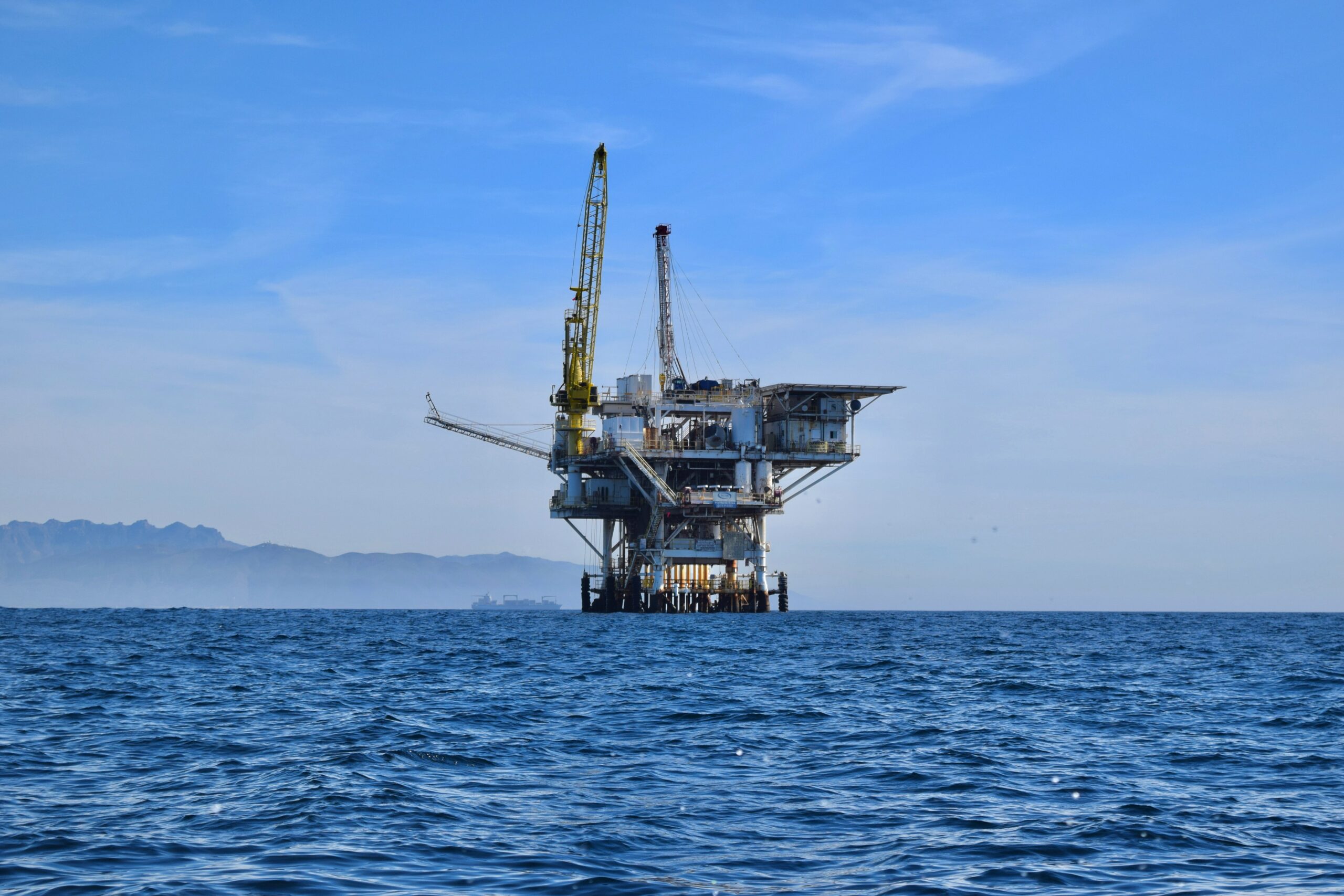
The war with Iran has sent oil prices, and then gasoline prices, sharply higher. West Texas Intermediate (WTI) crude, the main U.S. oil benchmark, rose from the mid-$60s per barrel in late February to around $100 on March 19. U.S. gasoline prices have followed suit, with the average price increasing from a pre-war level of under $3.00 per gallon to over $3.70 by mid-March.
The reason is straightforward, as Iranian attacks and threats have disrupted traffic through the Strait of Hormuz, a chokepoint for around 20 percent of global oil and liquefied natural gas (LNG) trade. With access to that supply impaired, fewer barrels are available on the world market and prices have risen to balance supply and demand. The short-run price spike is easy to explain, but the harder question is how long the disruption will last and how much markets can adapt.
Crucially, the United States is not insulated from the shock simply because it is a major exporter of oil and gas or because most of the oil moving through the Strait is bound for Asia. Oil is traded in a globally integrated market. When fewer barrels are available, buyers around the world compete for substitute supply, pushing prices higher everywhere, including in the United States. (Natural gas is somewhat different. LNG is becoming more global, but gas markets remain less integrated than oil markets, so U.S. consumers are less directly affected by global gas shocks.)
Oil and gasoline price shocks are not unusual. What makes this episode different is the cause and scale of the shock. Economists distinguish between oil price increases driven mainly by demand, when global economic growth pushes consumption higher faster than producers can respond, and those driven mainly by supply, when war or some other disruption removes barrels from the market. As Christiane Baumeister and Lutz Kilian argue, most major oil price fluctuations since the 1970s are better explained by shifts in demand than by physical supply disruptions. The surge in WTI to $134 per barrel in mid-2008, for example, reflected unexpectedly strong global growth, especially in emerging Asia, combined with the industry’s limited ability to expand production quickly enough to keep pace.
The same literature also challenges the standard telling of the 1970s oil crises. American collective memory tends to blame high oil prices, gas lines, and rationing almost entirely on the Arab oil embargo. But the embargo itself was mostly symbolic and did much less to physically disrupt the flow of oil to the United States than many people assume. Economists have shown that demand pressures, price controls, stockpiling, and fear of future shortages all played major roles in driving prices higher and making shortages worse. In other words, even some of the classic oil shocks of the 1970s were not simple stories of supply disappearing and prices mechanically rising.
The main exception is the 1980 Iran-Iraq War, which damaged oil infrastructure and disrupted exports from both countries. But that supply shock had a relatively modest global effect. As Peter Van Doren of the Cato Institute notes, world oil supply dipped by about 2.6 percent and the WTI rose by about 5.6 percent. Today’s disruption is much larger, which explains the far sharper market reaction.
So this is not a routine oil-price surge. It is an unusually large shock caused by a genuine supply disruption. If conditions in the Strait do not deteriorate further, prices will likely begin to ease over time as households and governments conserve energy and demand adjusts to the new price level. Higher prices should also encourage additional production from other, higher-cost sources, helping reduce the shortage. But, as Daniel Raimi, Alan Krupnick, and Brian Prest at Resources for the Future note, that adjustment takes time. Oil production is constrained by geology and by the planning, capital, and risk involved in new investment, all of which limit how quickly producers can bring new supply to market. And the scale of the problem is enormous. Replacing the disrupted barrels is not realistic. Even if other producers could eventually offset some of the lost supply, prices would likely remain above their prewar level because much of the oil now cut off comes from some of the world’s lowest-cost producing regions.
Releasing oil inventories may help stabilize prices, but it can only modestly relieve the shortage. The International Energy Agency has announced a coordinated release of 400 million barrels by its 32 member countries, including a release of 172 million barrels from the U.S. Strategic Petroleum Reserve. That’s the largest release in the history of the reserves, but it is only a temporary buffer and not a substitute for restoring secure flows through Hormuz.
Ultimately, the best short-run answer to higher oil prices is a quick resolution of the conflict. In the longer run, the U.S. should pursue policies that reduce exposure to volatile oil prices while making domestic energy supply more flexible. This means removing unnecessary constraints on oil production and the infrastructure needed to bring it to market, including permitting barriers, and eliminating policies that artificially raise production costs, such as tariffs. By lowering the cost of U.S. production, these steps could make domestic supply somewhat more responsive to price changes and marginally soften the impact of future oil shocks.
>>>READ: Is “Big Oil” to Blame for Higher Insurance Premiums?
More importantly, policymakers should consider ways to help diversify the energy mix in both transportation and electricity generation. One lesson of the 1970s was that greater fuel diversity could help reduce exposure to the volatility of any single commodity. That insight gave rise to a number of misguided policies, including fuel-efficiency mandates, government driven commercialization efforts, and broad subsidies for favored technologies. Those mistakes should not be repeated. It is also important to remember that electric vehicles, batteries, and renewable power technologies are subject to supply-chain disruptions and commodity price swings of their own.
Still, more measured policies could help reduce Americans’ exposure to volatile fossil-fuel prices. Encouraging innovation in alternative energy technologies, removing unnecessary barriers to their deployment, and improving their integration into existing energy infrastructure would help build a more diverse and resilient energy system.
The views and opinions expressed are those of the author’s and do not necessarily reflect the official policy or position of C3.